


 效果预览
效果预览
 分享
分享 分享
分享
 详情
详情 指南
指南

 下载
下载
 相似作品
相似作品 X射线
X射线 幻灯片播放
幻灯片播放 统计数据
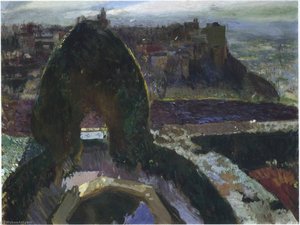
统计数据Holy Thursday in Pollença (Mallorca)
 Oil On Canvas
- WallArt
- Catalan Modernisme
 1902
1902- 19th Century
 72.0 x 98.0 cm
 Cau Ferrat Museum
 展开详情
展开详情
手工油画复制品
由我们的艺术家按需定制,为您提供您所选尺寸及画框的布面手工油画。 ( 切换至版画销售渠道 切换至数字图像销售渠道)




P118B $10

P118H $10

P118W $10

P438Z $10

P508JH $12

P508YH $12

P805H $10

P805Z $10

P919BZ $10

P919G $10

P919XJ $10

P959ZH $10

P968JZ $12

W106C $8

W218G $10

W218JH $8

W218Y $10

W307PJ $10

W316G $10

W316PJ $8

W316Y $10

W398PJ $8

W4111J $10

W500HY $15

W500JH $15

W692G $12

W849H $8

W940BG $15

W953PJ $8




从与原作比例一致的预设尺寸中进行选择。

您可以输入自定义尺寸,以适配特定的画框或空间。如果所选尺寸与原图比例不符,我们将通过裁剪作品或添加手绘元素来扩展画面。数字样稿将在制作开始前发送给您确认。
请注意,屏幕预览无法准确反映实际的裁剪或扩展效果,只有样稿才能真实呈现最终的构图。
虽然我们提供定制尺寸服务,但为了保留原作比例,建议您从预设列表中选择尺寸。
下单后,AllPaintingsStore.com 团队将通过电子邮件联系客户获取具体要求,并提供效果预览图。


 玻璃选项仅适用于110厘米以下的尺寸。

Holy Thursday in Pollença (Mallorca)
复制材质
复制品尺寸
-


最终总价
$ 258
A Snapshot of Catalan Life: Santiago Rusiñol’s *Holy Thursday in Pollença*
Santiago Rusiñol’s 1902 oil on canvas, *Holy Thursday in Pollença*, is more than just a picturesque depiction of a Mallorcan town; it's a poignant meditation on time, community, and the enduring spirit of Catalan Modernisme. The painting captures a vibrant moment – Holy Thursday in Pollença – with an immediacy that draws the viewer directly into the heart of the scene. Rusiñol, a key figure in the Catalan Modernista movement, masterfully employs light and color to evoke not just what he saw, but also the feeling of the day: a sense of joyful bustle, quiet contemplation, and the deep-rooted traditions of the region.
The Artist’s Vision and Catalan Modernisme
Born in Barcelona in 1861, Santiago Rusiñol was deeply influenced by the artistic currents sweeping through Catalonia at the turn of the century. Catalan Modernisme sought to revitalize traditional forms with a distinctly modern sensibility, often drawing inspiration from nature and Catalan folklore. Rusiñol’s work reflects this commitment, evident in his meticulous attention to detail – the weathered facades of the buildings, the individual expressions on the faces of the townsfolk, and the warm, earthy tones that dominate the canvas. His connection to Manlleu, a town near Barcelona, also played a significant role in shaping his artistic perspective, particularly his focus on rural life and landscapes.
Technique and Composition
*Holy Thursday in Pollença* showcases Rusiñol’s skillful command of oil paint. The artist utilizes loose brushstrokes to convey movement and atmosphere, creating a sense of spontaneity that belies the precision of his rendering. Notice how he builds up layers of color – subtle variations in ochre, brown, and red – to create depth and volume within the buildings and figures. The composition itself is carefully balanced, guiding the viewer’s eye through the scene from the foreground figures towards the central clock, a deliberate focal point that underscores the importance of time and ritual. The inclusion of several individuals scattered throughout the image adds to the sense of realism and invites the viewer to imagine themselves part of this lively gathering.
Symbolism and Emotional Impact
Beyond its aesthetic qualities, *Holy Thursday in Pollença* carries a profound symbolic weight. Holy Thursday is a central Christian observance, representing Jesus’s last supper with his disciples. The painting subtly incorporates this religious significance through the presence of the people engaged in their daily routines – a reflection on faith and community within the context of everyday life. Rusiñol's ability to capture not just the visual appearance but also the emotional atmosphere of the scene is remarkable. The painting evokes a sense of nostalgia, tranquility, and connection to one’s roots—themes central to Catalan identity. This artwork offers a window into a specific moment in time, inviting viewers to contemplate the enduring values of community, tradition, and faith.
相似艺术品




艺术家简介
加泰罗尼亚现代主义的远见卓识者
圣地亚哥·鲁西尼奥尔·普拉茨(Santiago Rusiñol i Prats)绝不仅仅是一位画家;他更像是一个博学多才的自然力量,其创造精神为加泰罗尼亚现代主义运动注入了勃勃生机。1861年,他出生于巴塞罗那一个富裕的纺织工业家庭,身上兼具物质优渥与艺术热情的罕见二元性。尽管他的家族根植于曼列乌(Manlleu)勤勉的纺织厂,但他的灵魂却属于画布、诗歌与舞台那转瞬即逝的美感。早年在托马斯·莫拉加斯(Tomás Moragas)指导下接受的训练,为他奠定了写实主义的基础,然而传统西班牙艺术那僵化的边界终究无法束缚他日益增长的好奇心。这种不安分的探索欲最终引领他在188向巴黎那波西米亚式的核心地带开启了蜕变之旅,这段充满变革意义的旅程永远改变了他笔触的轨迹。
在蒙马特(Montmartre)那些充满活力、烟雾缭绕的咖啡馆里,鲁西尼奥尔发现自己沉浸在一场新思想的旋风之中。与拉蒙·卡萨斯(Ramón Casas)和伊格纳西奥·苏洛阿加(Ignacio Zuloaga)等同时代艺术家并肩而立,他吸收了印象派那充满光影的技法,以及象征主义那如梦似幻、引人遐思的深度。这段时期不仅是一场风格上的洗礼,更是一次精神上的觉醒。他开始从严谨的写实转向一种更具氛围感的手法,使色彩与形式不再仅仅是记录现实,而是用来唤起情感。正是在这些塑造性的岁月里,他练就了捕捉风景中那份宁静且往往带有忧郁本质的能力,以及刻画人物心理深度的技巧,这种才华后来使他成为了欧洲先锋派的关键人物。
光影、花园与灵魂的织锦
鲁西尼奥尔作品集的广度堪称非凡,其上千件作品跨越了不同的艺术流派。他是花园场景的大师,运用新艺术运动的美学理想,创造出仿佛拥有生命、宁静而茂盛的环境。在诸如《阿拉尼兹花园》等作品中,人们可以见证他将鲜艳色彩编织进平和织锦的能力,邀请观者进入一片静谧的避难所。他的风景画往往带有浪漫主义的热情,自然世界被赋予了一种神秘感与深沉的情绪,映照着地中海海岸不断变幻的光影。
除了风景,鲁西尼奥尔的肖像画也是他敏锐心理洞察力的持久见证。他拥有一种独特的天赋,能够捕捉模特沉思的神态,并常常赋予他们一种静谧内省的感觉。无论是令人动容的《戴康乃馨的少女》,还是更为忧郁的《暴君(萨尔瓦多·罗伯特肖像)》,他的肖像画都是对人类情感与社会细微差别的深刻研究。他的多才多艺还延伸到了文学与戏剧领域,他运用文字的能力与挥洒颜料的技艺同样精湛,这使他成为他所生活的时代——加泰罗尼亚文化复兴运动中真正的建筑师。
遗产与历史意义
圣地亚哥·鲁西尼奥尔的历史重要性远超西班牙国界。他在西班牙艺术的传统主义根源与20世纪的激进创新之间,扮演了至关重要的桥梁角色。他在巴黎艺术界的活跃,以及他作为导师和合作者的身份,意味着他在现代大师的发展过程中发挥了间接但深远的作用,最显著的便是影响了巴勃罗·毕加索早期的艺术轨迹。通过促进实验精神以及文化间的相互渗透,鲁西尼奥尔为立体主义及其后续艺术运动的剧烈变革铺平了道路。
他对加泰罗尼亚文化认同的承诺,或许最完美地凝结在他对西特热斯(Sitges)卡乌·费拉特博物馆(Cau Ferrat Museum)的奉献之中。这座博物馆作为他收藏与保护艺术热情的见证,至今仍是他所定义的现代主义精神的圣地。当我们回顾他的一生——从青年时代的工业根源到成熟时期的波西米亚巅峰——我们看到的是一位拒绝被单一媒介或运动所局限的艺术家。鲁西尼奥尔在艺术史上始终是一个闪耀的人物,一位光与影的画家,其作品至今仍在不断地吸引、震撼并启发着世人。

圣地亚哥·鲁西尼奥尔·普拉茨
1861 - 1931 , 西班牙
艺术家简介
- Artistic Movement Or Style: 现代主义
- Artists Or Movements Influenced By This Artist: ['象征主义']
- Artists Who Influenced This Artist:
- 托马斯·莫拉加斯
- 巴勃罗·毕加索
- Date Of Birth: 西班牙巴塞罗那 (1861)
- Date Of Death: 1931
- Full Name: 圣地亚哥·鲁西尼奥尔·伊·普拉茨
- Nationality: 西班牙
- Notable Artworks:
- 阿兰胡埃斯花园
- 鲁昂
- 生活的全景
- Place Of Birth: 巴塞罗那
相关文章

画布上的流光溢彩:油画技法、历史沿革与当代实践
深入探索油画技法的历史沿革,从文艺复兴到卡拉瓦乔的革命性创新。了解多层涂布技术如何塑造色彩与光影,并洞悉当代油画实践中的传统与突破。AllPaintingsStore为您提供专业的艺术品咨询和定制服务。

The Enduring Power of Painting: A Historical & Contemporary Exploration of Form and Emotion
Explore the rich history & enduring techniques of oil painting with AllPaintingsStore. Discover masterpieces, learn about art collecting, and find authentic handmade reproductions crafted by skilled artists.

Oil on Canvas: A Historical & Technical Exploration of a Timeless Artistic Medium
Explore the rich history & enduring techniques of oil painting on canvas. Discover the science behind its longevity, conservation practices, and contemporary relevance. Expert insights for art enthusiasts.

The Enduring Legacy of Oil on Canvas: Technique, History & Aesthetic Impact
Explore the rich history & techniques of oil painting – from Renaissance masters to Impressionism. Discover pigments, layering methods, and why this timeless medium endures. Expert insights for artists & art enthusiasts.

The Soul of Impressionism: Why Oil on Canvas Captures Eternal Light and Timeless Emotion
Discover the enchanting alchemy of Impressionism. Explore how the mastery of oil on canvas, through glazing and impasto, captures eternal light and emotion. Perfect for lovers of Monet and Van Gogh seeking the profound depth of hand-painted fine art.

