


 实景预览

 分享
 分享
 详情
 指南


 下载作品
 相似作品
 X射线
 幻灯片播放
 问答
 统计数据
Self-Portrait

- 56.0 x 43.0cm


 展开全文
艺术微喷/版画
博物馆级艺术微喷或帆布版画,制作高效,并提供多种饰面选择。 ( 订购纯手工绘制画作 切换至数字图像销售渠道)
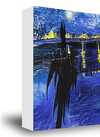
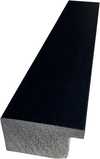
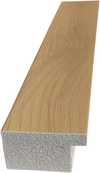
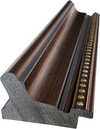
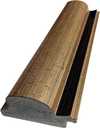
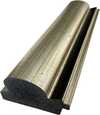

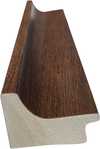
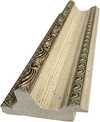
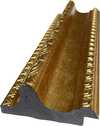
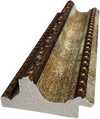
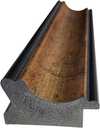
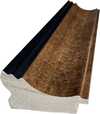
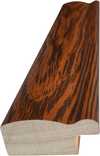
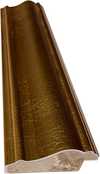
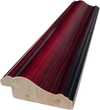
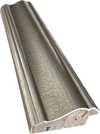
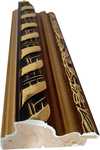
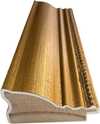
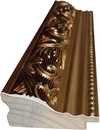
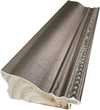
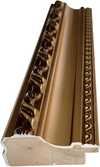
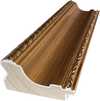
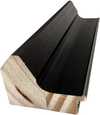
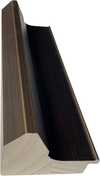
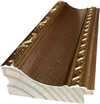
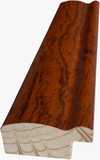
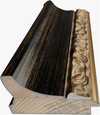
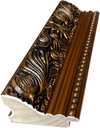
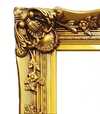
您可以从与原作比例一致的预设尺寸中进行选择。

请输入您所需的宽度和高度,以适配您的画框或墙面。由于印刷品只能进行裁剪,无法超出原图尺寸,因此若比例不一致,画面的一部分将会被裁切。在正式印刷之前,我们会为您发送一份数字效果图供您确认。本页面显示的图片并非最终裁剪后的效果——只有效果图才能展示真实的裁剪情况。


 玻璃选项仅适用于110厘米以下的尺寸。

Self-Portrait
艺术微喷/版画
复刻品尺寸
-


最终结算价
¥ 435
相似作品


艺术家简介
Early Life, Training and Artistic Education
Walter Thor entered the world on February 13, 1870, in Neusalz an der Oder, located within the Province of Silesia. His early years in this region provided the foundation for a life dedicated to the visual arts, eventually leading him toward the major cultural centers of Europe. He would later be recognized as both a painter and an illustrator, possessing a versatility that allowed him to navigate different mediums of graphic and fine art.
His formal training took place at the Academy of Fine Arts in Munich, an institution that would remain central to his professional identity. It was here that he refined the technical skills necessary to transition from a student to a professional artist. Seeking to broaden his perspective beyond the German tradition, Walter Thor spent time working in Paris, a move that exposed him to the shifting artistic currents of the era.
Professional Career and Artistic Style
Thor’s professional life was deeply woven into the institutional fabric of Munich. He was a founding member of the Luitpold-Gruppe and eventually rose to serve as the President of the Munich Artists' Association, known as Der Bund. His graphic contributions also reached a wider public through his work for the magazine Jugend. This involvement in the city's artistic circles reflected a career spent at the intersection of formal tradition and the emerging modern sensibilities of the turn of the century.
His stylistic range allowed him to navigate between the commercial and the intimate. As a graphic artist, he became known for designing commercial posters in the Art Nouveau style, often infusing these works with a distinct sense of humor. In his oil paintings, however, a different sensibility emerged. He was a skilled portraitist who approached his subjects with significant psychological empathy, capable of capturing individuals from all social classes. His technique often reflected the influence of Impressionism, characterized by a loose brushwork and a palette of finely graded, non-glaring colors.
Teaching and Later Life in Munich
After leaving the Academy in 1896, Thor transitioned from student to educator by establishing a private school for painting and drawing in Munich. This institution became a central part of his professional life, which he directed for twenty-five years until 1921. His commitment to instruction provided a structured environment for those seeking to master the technical nuances of his craft during a transformative period in German art.
His personal life was deeply rooted in the Schwabing district. From 1904, he and his family occupied the second floor of a house at Ainmillerstraße 10. As his practice evolved, he expanded his workspace to include a studio located in the attic of the same building, a space he utilized from 1910 onwards. This domestic and professional arrangement allowed him to remain a constant presence in the Munich art scene for decades.
The final years of his life were spent in the city that had become his home and professional base. He passed away in Munich on January 15, 1929, at the age of 59. His long tenure in Munich, both as a teacher and a resident of Schwabing, marked a significant chapter in his life as a painter and illustrator.
Notable Works and Collections
The breadth of Thor's output is reflected in the variety of his subject matter, ranging from intimate portraiture to commercial graphic design. His oil paintings often captured the quietude of personal life, such as In the Studio (The Artist's Wife), painted about 1903. He also turned his gaze inward through self-examination, producing a Self-Portrait around 1906. These works demonstrate a technical command of light and form that secured his place within the institutional collections of his time.
Beyond the canvas, Thor found significant success in the realm of commercial illustration. He became a notable figure in the development of Art Nouveau posters, particularly within the French automotive industry. His graphic work included various advertisements for brands such as Pneu Vital, Griffon, Automotive Barré, Darracq, and Automotive Unic. These posters utilized a characteristic humor and a modern sensibility that bridged the gap between fine art and mass communication.
The institutional recognition of his talent is evidenced by the presence of his paintings in major repositories. The Bavarian State Painting Collections in Munich holds two of his works, including his 1906 Self-Portrait. His legacy is further preserved through various undated pieces, such as Selbstbildnis and a depiction of König Ludwig III, which remain part of the historical record of Munich's artistic landscape.

Walter Thor
1870 - 1929 , Poland
艺术家简介
- Artistic Movement Or Style: Impressionism, Art Nouveau
- Full Name: Walter Thor
- Nationality: German
- Notable Artworks:
- In the Studio (The Artist's Wife)
- Self-Portrait
- Selbstbildnis
- König Ludwig III
- Place Of Birth: Nowa Sól, Poland
- Date Of Birth: 1870
- Date Of Death: 1929
相关文章

25 Must-See Masterpieces at the Alte Pinakothek, Munich
Embark on a journey through the Alte Pinakothek’s finest treasures. From Renaissance masters to Baroque drama, explore 25 iconic paintings and find museum-quality inspiration for your decor. Discover all masterpieces on AllPaintingsStore.com.

Masterpieces of Munich: Top 25 Artworks in the Bavarian State Painting Collections
Explore 25 iconic masterpieces from Munich's Bavarian State Painting Collections. Discover timeless art on AllPaintingsStore.com.