


 实景预览
实景预览
 发送
发送 分享
分享
 详情
详情 指南
指南

 下载图片
下载图片
 相似作品
相似作品 X射线
X射线 幻灯片播放
幻灯片播放 统计数据
统计数据A Lady
 Dutch Golden Age
 1632
1632 79.0 x 52.0 cm
 柏林州立博物馆
 阅读全文
阅读全文
艺术微喷/版画
博物馆级艺术微喷或帆布版画,制作高效,并提供多种饰面选择。 ( 订购此收藏品的纯手工复刻画作 切换至数字图像销售渠道)




P118B ¥10

P118H ¥10

P118W ¥10

P438Z ¥10

P508JH ¥12

P508YH ¥12

P805H ¥10

P805Z ¥10

P919BZ ¥10

P919G ¥10

P919XJ ¥10

P959ZH ¥10

P968JZ ¥12

W106C ¥8

W218G ¥10

W218JH ¥8

W218Y ¥10

W307PJ ¥10

W316G ¥10

W316PJ ¥8

W316Y ¥10

W398PJ ¥8

W4111J ¥10

W500HY ¥15

W500JH ¥15

W692G ¥12

W849H ¥8

W940BG ¥15

W953PJ ¥8




您可以从与原作比例一致的预设尺寸中进行选择。

请输入您所需的宽度和高度,以适配您的画框或墙面。由于印刷品只能进行裁剪,无法超出原图尺寸,因此若比例不一致,画面的一部分将会被裁切。在正式印刷之前,我们会为您发送一份数字效果图供您确认。本页面显示的图片并非最终裁剪后的效果——只有效果图才能展示真实的裁剪情况。


 玻璃选项仅适用于110厘米以下的尺寸。

A Lady
艺术微喷/版画
复刻品尺寸说明
-


总计金额
¥ 430
A Portrait of Grace: Unveiling Thomas de Keyser’s “A Lady”
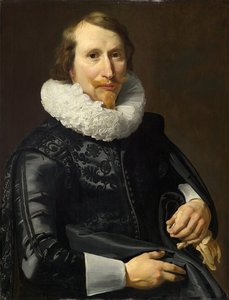
The year is 1632. Amsterdam thrives as the epicenter of the Dutch Golden Age, a period brimming with artistic innovation and opulent patronage. Within this vibrant scene emerges Thomas de Keyser, a painter whose skill lay not merely in capturing likeness but in distilling the very essence of his subjects – a talent brilliantly showcased in his captivating portrait, “A Lady.” This oil-on-oak panel painting, currently residing within the esteemed Staatliche Museen in Berlin, is more than just a depiction; it’s an invitation into a world of refined elegance and subtle psychological depth.
De Keyser's style, heavily influenced by both the meticulous detail of Flemish masters like Anthony van Dyck and the dramatic lighting favored by Rembrandt, results in a remarkably lifelike portrayal. The lady before us is presented with a poise that speaks volumes – her posture relaxed yet undeniably regal, her gaze direct and engaging. Notice how De Keyser masterfully employs chiaroscuro, the masterful use of light and shadow, to sculpt the figure, drawing attention to her face and hands while subtly enveloping the background in a veil of mystery. The dark interior, punctuated by the warm glow emanating from an unseen window, creates a sense of intimacy and draws the viewer into the scene.
Deconstructing the Details: Fashion, Symbolism, and Technique
A closer examination reveals a wealth of detail that speaks volumes about the era. The lady’s attire is a testament to the fashion of 17th-century Holland – a black bodice adorned with intricate gold trim and delicate lace, suggesting both wealth and status. The elaborate headwear, a white ruff collar framing a dark hat embellished with what appear to be feathers or decorative elements, further emphasizes her position within society. These aren’t merely decorative choices; they are carefully selected symbols of power, refinement, and social standing.
The background, far from being mere decoration, plays an integral role in the painting's narrative. The dark room, with its wooden floor featuring a subtle checkered pattern, evokes a sense of luxury and opulence – a space designed for contemplation and quiet enjoyment. The glimpse of a red velvet drape hints at hidden treasures and adds a touch of dramatic flair. De Keyser’s brushwork is remarkably precise, particularly evident in the rendering of the lace and the folds of the fabric. He utilizes layering techniques to create texture and depth, ensuring that every element contributes to the overall sense of realism.
A Window into the Dutch Golden Age
Understanding “A Lady” requires a glimpse into the context of its creation. Thomas de Keyser was a prominent figure in the Dutch art world during this period, renowned for his portraits and genre scenes commissioned by wealthy merchants and nobility. His work reflects the prosperity and cultural flourishing of the Netherlands – a nation at the forefront of artistic innovation and trade. The painting offers a fascinating window into the lives of the elite, revealing their values, aspirations, and aesthetic sensibilities.
Furthermore, De Keyser’s connection to Hendrick de Keyser, his father—a celebrated architect and sculptor who shaped Amsterdam's skyline—provides an intriguing layer of familial legacy. This lineage undoubtedly influenced Thomas’s artistic development, imbuing his work with a sense of technical mastery and architectural awareness. The painting stands as a testament not only to De Keyser’s individual talent but also to the enduring influence of his family’s artistic heritage.
Collecting the Essence: Reproduction and Legacy
Today, “A Lady” continues to captivate viewers with its timeless beauty and psychological depth. AllPaintingsStore offers meticulously crafted hand-painted reproductions that faithfully capture the essence of De Keyser's masterpiece. These reproductions are not mere copies; they are artistic interpretations imbued with the same attention to detail, technique, and emotional resonance as the original. Whether adorning a grand salon or a more intimate space, a reproduction of “A Lady” brings a touch of Dutch Golden Age elegance and sophistication to any setting.
For those seeking further information on Thomas de Keyser and his remarkable oeuvre, we encourage you to explore resources such as AllPaintingsStore.com and the Staatliche Museen in Berlin’s website. And for a deeper dive into the life and works of this pivotal artist, Wikipedia offers a comprehensive overview of his biography and artistic contributions.
问答详情
"A Lady" 的主题与 托马斯·德·凯泽 常有的创作主题有何关联?
"A Lady" 描绘了 portraiture, dutch art, 17th century, nobility, elegance, chiaroscuro, woman, clothing,而 托马斯·德·凯泽 记录在案的主题则是 rembrandt influence, dutch realism, courtly life, social status, wealthy elite, patronage system, portraiture tradition, idealized beauty。通过两者的对比,可以看出此作与艺术家惯用题材之间的关联。
托马斯·德·凯泽 的《A Lady》 的构图以什么颜色为主导?
在“A Lady”中,最引人注目的颜色是Black (#080709)。了解作品的主色调有助于将其与室内装饰进行搭配。
托马斯·德·凯泽 的《A Lady》 的整体基调是什么?
“A Lady”营造出一种Elegant的氛围。
相关艺术品


艺术家简介
托马斯·德·凯泽的传奇:荷兰黄金时代的艺术大师
在十七世纪阿姆斯特丹那充满活力且繁华喧嚣的心脏地带,在一个由前所未有的繁荣与文化盛放所定义的时代,托马斯·德·凯泽作为肖像画领域一股不可忽视的力量脱颖而出。他出生于1596年,成长于一个充满建筑宏伟感的环境中;他是传奇人物亨德里克·德·凯泽之子,这位建筑师的手笔曾塑造了阿姆斯特丹的天际线。这种匠人血脉带来的不仅是一个显赫的名字,更赋予了他对结构、空间以及物体物理存在感的深刻理解,这在后来成为了他描绘人体形态时的核心准则。在阿姆斯特尔河畔石料场的陪伴下长大,德·凯泽沉浸在一个艺术与建筑密不可分的世界里,这种环境孕育了他日后成为标志性的技术精准度。
他的艺术旅程通过科内利斯·范·德·福特的正式训练得到了进一步升华,这段教育经历让他接触到了那个时代的人文主义理想与精妙的构图技巧。随着艺术造诣的成熟,德·凯泽的风格开始凝聚成一种真正独特的语言——它成为了晚期文艺复兴那细致入微的细节与新兴巴洛克运动那充满戏剧性、心理强度的桥梁。尽管他的早期作品展现出对前辈们那种正式优雅风格的浓厚兴趣,但他很快便发展出了一种捕捉受众真实生活状态的能力,超越了单纯的面貌相似,转而触及人物性格的灵魂本质。
伦勃朗式的光影与写实主义艺术
要理解德·凯泽的卓越之处,必须探究他的作品与伦勃朗·范·莱因之间那复杂而迷人的关系。他常被描述为与伦勃朗拥有共同革命精神的同代人,德·凯索对光影的处理——即著名的明暗对照法——呼应了由伦勃朗所倡导的戏剧性创新。然而,德·凯泽拥有一种独特的清晰感;如果说伦勃朗倾向于将形体消融在深邃而神秘的阴影中,那么德·凯泽则往往能保持线条的干脆利落以及纹理中的明亮质感。他是触觉表现的大师,能够以近乎科学般的准确度,呈现出丝绸厚重的光泽、蕾丝错综复杂的图案,以及年迈商人脸上细微的沧桑纹路。
这种对写实主义的执着,使他成为了荷兰共和国新兴商人阶层首选的肖像画家。他能够将模特的身分地位与深刻的心理真实感完美平衡,从而创作出既是身份象征又是亲密性格研究的作品。在他的团体肖像画中,他展现了组织复杂人物构图的非凡能力,确保每个个体在保持独特身份的同时,共同构建出一幅凝聚着集体公民自豪感的叙事画卷。他的笔触虽然精准,却从未显得呆板;其构图中蕴含着一种律动的生命力,为十七世纪那些凝固的瞬间注入了鲜活的气息。
历史意义与艺术成就
托马斯·德·凯泽的成就远超画布本身,他代表了北欧艺术史上至关重要的一章。他的职业生涯正值荷兰黄金时代的巅峰,那是荷兰通过商业、科学和艺术确立自身身份的时代。通过记录那个时代的容颜——从富有的市民到举足轻重的城市领袖——他为这个处于转型期的社会提供了珍贵的视觉档案。他的作品如同一扇窗户,让我们得以窥见那个由海上霸权与新教勤勉精神所定义的时代之社会等级、时尚风尚与价值观。
在其一生及其留下的艺术遗产中,有几个关键元素定义了他对艺术界的贡献:
- 技术造诣:以栩栩如生的精准度描绘各种纹理与材质的无与伦比的能力。
- 建筑影响:源自其家族与荷兰建筑渊源的、独特的构图感与结构完整性。
- 心理深度:赋予正式肖像以个体人性与情感共鸣的能力。
- 文化记录:在财富激增时期,捕捉阿姆斯特丹商人阶层蓬勃发展的身份认同。
尽管历史有时将他置于伦勃朗的阴影之下,但德·凯泽的重要性从未减损。他不仅仅是一位伟大的追随者,更是一位开拓者,为荷兰艺术传统贡献了一种独特的清晰感与结构优雅感。时至今日,他的作品依然令学者与艺术爱好者为之倾倒,作为一位能够捕捉时代外在辉煌与内在灵魂的大师,留下了永恒的见证。
托马斯·德·凯泽
1596 - 1667 , 荷兰
快速概览
- Artistic Movement Or Style: 荷兰黄金时代
- Artists Or Movements Influenced By This Artist: ['伦勃朗']
- Artists Who Influenced This Artist: ['伦勃朗·范·莱因']
- Date Of Birth: 荷兰阿姆斯特丹 (1596)
- Date Of Death: 1667
- Full Name: 托马斯·德·凯泽
- Nationality: 荷兰
- Notable Artworks: ['弗雷德里克·范·费尔图伊森及其妻子']
- Place Of Birth: 阿姆斯特丹
相关文章

Willem van de Velde the Elder: Master of Maritime Painting & Chronicler of the Dutch Golden Age
Discover the captivating maritime paintings of Willem van de Velde the Elder, a master chronicler of the Dutch Golden Age. Explore his unparalleled realism and lasting influence on naval art history.

Golden Light & Dutch Skies: The Timeless Magic of Dutch Golden Age Landscapes
Discover the breathtaking beauty of Dutch Golden Age landscapes. Explore the mastery of light, chiaroscuro, and 17th-century realism through an expert art history lens, celebrating the enduring legacy of the Dutch Masters for discerning collectors and art lovers.
荷兰黄金时代:十幅定义艺术史的巨作 | AllPaintingsStore
探索荷兰黄金时代的艺术巅峰! 伦勃朗、维米尔等大师名作,带您领略巴洛克艺术的辉煌。高清画作、博物馆级品质,点亮您的家居空间。AllPaintingsStore.com 提供精选艺术复制品和定制装饰方案。立即在线探索全系列!

Mastering Light & Shadow: A Journey Through the Dutch Golden Age's Luminous Legacy
Embark on a cultural journey through the Dutch Golden Age. Explore the masterful interplay of light and shadow in 17th-century masterpieces, from Rembrandt to Vermeer, and discover how this era of profound realism continues to inspire fine art collectors today.

Pieter de Hooch: Illuminating Dutch Domestic Life & Golden Age Charm
Explore the captivating world of Pieter de Hooch, a master of Dutch Golden Age painting. Discover his innovative use of light, intimate domestic scenes, and lasting influence on art history. Learn more at AllPaintingsStore.

