1515. Oil On Canvas.

§ 1目录数据


§ 2摘要
藏品详情
Titian’s captivating ‘Salome’ portrays a sorrowful woman holding John the Baptist's head, showcasing the Venetian master’s early style and masterful use of color from 1515. Discover this iconic Renaissance masterpiece and bring its beauty into your collection.
 展开全文
展开全文
艺术家简介
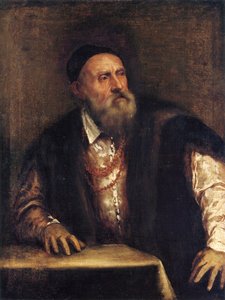
皮耶韦迪卡多尔 意大利 提香 Tiziano Vecellio 文艺复兴时期最伟大的威尼斯画家提香,以其大胆的色彩运用、精湛的肖像画和神话题材而闻名。他的作品如《乌尔比诺的维纳斯》影响深远,为西方艺术发展奠定了基础。 文艺复兴, 威尼斯画派 西方艺术家 乔尔吉奥内 约1490年 1576年 Tiziano Vecellio 意大利人 《穿簇锦袖的男子》 皮耶韦迪卡多尔, 意大利 佛罗伦萨 3 提香的艺术训练开始于哪个城市?
§ 3赏析
Salome: A Venetian Masterpiece of Sensuality and Sorrow
Tiziano Vecellio’s “Salome,” painted in 1515, is more than just a portrait; it's an immersion into the heart of Renaissance Venice – a city pulsating with artistic innovation and a profound fascination with beauty, power, and human emotion. This oil on canvas work, currently residing in the Galleria Doria-Pamphilj in Rome, immediately captivates with its dramatic composition and the palpable sense of melancholy that emanates from the central figure. The painting’s enduring appeal lies not only in Titian's masterful technique but also in its complex narrative – a story whispered through glances, gestures, and the unsettling presence of the decapitated head resting upon Salome’s lap.
- The Subject: The image depicts Salome, often identified as Herodias, her mother, holding the severed head of John the Baptist. While interpretations vary – some scholars suggest a representation of Judith with Holofernes – the prevailing narrative centers on this iconic scene from the New Testament.
- Titian’s Innovation: This work marks a pivotal moment in Titian's artistic evolution. Moving beyond the more rigid influences of Giorgione, he began to forge his own distinctive style, characterized by an unprecedented intimacy with the viewer. The close proximity depicted invites us into Salome’s world, demanding our empathy and unsettling our gaze.
- Technical Brilliance: Titian's command of oil paint is breathtaking. He employs a technique that builds up layers of color – glazes – to achieve an almost luminous effect, particularly in the rendering of Salome’s hair and skin. The subtle gradations of tone create a remarkable sense of volume and texture, imbuing the figure with a startlingly lifelike quality.
A Window into Renaissance Venice
To understand “Salome,” one must appreciate the context in which it was created – 16th-century Venice. The city was a crucible of artistic experimentation, fueled by wealth from trade and a fervent patronage system. Titian, as one of the leading artists of his time, benefited immensely from this environment. His work reflects not only his personal genius but also the broader cultural currents of the Renaissance: a renewed interest in classical mythology, a celebration of human beauty, and an exploration of profound psychological themes. The inclusion of the dining table subtly references Venetian aristocratic life, adding another layer to the painting’s narrative.
- Giorgione's Influence: Titian initially absorbed influences from Giorgione, particularly his use of atmospheric perspective and muted color palettes. However, “Salome” demonstrates a decisive break from this influence, showcasing Titian’s growing confidence and willingness to experiment with bolder colors and more expressive forms.
- The Dresden Connection: The model for "Salome" is believed to be the same as those featured in Giorgione's celebrated works, “Venus and Cupid” and “Dresden Venus.” This connection highlights the interconnectedness of Venetian artistic circles and the shared fascination with idealized beauty.
Symbolism and Emotional Resonance
“Salome” is a profoundly unsettling image, laden with symbolism and emotional weight. The act of decapitation itself is a potent metaphor for violence, betrayal, and the loss of innocence. Salome’s expression – a mixture of sorrow, regret, and perhaps even triumph – invites endless interpretation. The head of John the Baptist, presented as a tangible object, becomes an emblem of power, vulnerability, and ultimately, mortality. The red clothing worn by Salome further intensifies the drama, symbolizing passion, bloodshed, and potentially, divine retribution.
Legacy and Influence
Titian’s “Salome” is not merely a beautiful painting; it's a landmark work that profoundly influenced generations of artists. Its innovative composition, masterful technique, and emotionally charged subject matter established Titian as one of the most important figures in Western art history. The numerous copies made from his workshop underscore the enduring impact of this masterpiece, solidifying its place as a cornerstone of Renaissance art.
常见问题与解答
提香 的《Salome》 描绘了什么内容?
提香 的《Salome》 描绘了:titian, salome, john baptist, head portrait, oil painting, renaissance art, herodias。
我可以使用增强现实技术在我的房间里预览 提香 的《Salome》 吗?
通过作品的 AR 效果预览 页面,您可以在兼容设备上使用增强现实技术,在自己的墙面上预览 提香 的《Salome》。
在哪里可以找到关于“Salome”的指南?
"Salome" 的指南请参阅作品的 指南 页面 —— 这是一份可打印的信息单,包含了该作品的说明、署名以及详细信息表(艺术家、日期、媒介、原尺寸、馆藏)。


 切换至版画销售渠道


 对于任何边长超过 105 厘米(约 41 英寸)的艺术品或复制品,画框将以拆解后的组件形式发货。此方法可确保安全送达并防止运输过程中的损坏。