


 实景预览
实景预览
 发送
发送 分享
分享
 详情
详情 指南
指南

 下载图片
下载图片
 相似作品
相似作品 X射线
X射线 幻灯片播放
幻灯片播放 统计数据
统计数据Mourning


 阅读全文
阅读全文
艺术微喷/版画
博物馆级艺术微喷或帆布版画,制作高效,并提供多种饰面选择。 ( 订购此收藏品的纯手工复刻画作 切换至数字图像销售渠道)




P118B ¥10

P118H ¥10

P118W ¥10

P438Z ¥10

P508JH ¥12

P508YH ¥12

P805H ¥10

P805Z ¥10

P919BZ ¥10

P919G ¥10

P919XJ ¥10

P959ZH ¥10

P968JZ ¥12

W106C ¥8

W218G ¥10

W218JH ¥8

W218Y ¥10

W307PJ ¥10

W316G ¥10

W316PJ ¥8

W316Y ¥10

W398PJ ¥8

W4111J ¥10

W500HY ¥15

W500JH ¥15

W692G ¥12

W849H ¥8

W940BG ¥15

W953PJ ¥8




您可以从与原作比例一致的预设尺寸中进行选择。

请输入您所需的宽度和高度,以适配您的画框或墙面。由于印刷品只能进行裁剪,无法超出原图尺寸,因此若比例不一致,画面的一部分将会被裁切。在正式印刷之前,我们会为您发送一份数字效果图供您确认。本页面显示的图片并非最终裁剪后的效果——只有效果图才能展示真实的裁剪情况。


 玻璃选项仅适用于110厘米以下的尺寸。

Mourning
艺术微喷/版画
复刻品尺寸说明
-


总计金额
¥ 431
Umberto Boccioni’s ‘Mourning’: A Futurist Lament
Umberto Boccioni's 1910 painting, “Mourning,” is not simply a depiction of grief; it’s a visceral embodiment of the Futurist movement’s radical rejection of traditional artistic representation. This stark black and white image, featuring three central figures amidst a field of delicate flowers, immediately confronts the viewer with an unsettling tableau – a scene saturated with loss and rendered with a deliberate, almost violent energy. The photograph captures a moment frozen in time, yet vibrates with the dynamism that defined Boccioni’s artistic vision. The composition itself is deliberately fractured, mirroring the shattered emotional state of those depicted, and reflecting the Futurist desire to capture not just appearances but the *feeling* of movement and disruption.
Subject Matter and Composition
- Central Figures: Three individuals dominate the scene. One raises their hands to their face in a gesture of profound sorrow, while another holds what appears to be a deceased body – a poignant symbol of death and loss. The third figure mirrors this action, further intensifying the sense of mourning.
- Peripheral Figures: Two additional individuals are subtly placed at the edges, adding to the overall feeling of isolation and suggesting that grief is often experienced within a larger context of shared suffering.
- Floral Backdrop: The inclusion of flowers provides a jarring juxtaposition against the somber subject matter. This deliberate contrast elevates the work beyond a straightforward depiction of mourning, hinting at themes of beauty persisting even in the face of devastation – a common Futurist preoccupation with finding new forms of expression amidst chaos.
Technique and Style: The Language of Futurism
Boccioni’s technique is characterized by bold, fragmented brushstrokes and a flattened perspective— hallmarks of the Futurist style. He sought to represent not a static image but rather the *impression* of movement and disruption. Lines are deliberately broken and overlapping, creating a sense of instability and conveying the raw emotion of the scene. The monochromatic palette further amplifies this effect, stripping away any distractions and focusing attention on the stark forms and dramatic gestures. This approach reflects the Futurist fascination with speed, technology, and the dynamism of modern life – themes powerfully expressed through the distortion of form and space.
Historical Context and Symbolism
Created in 1910, “Mourning” emerged during a period of intense social and political upheaval in Italy. The Futurist movement was born out of a desire to break free from the perceived stagnation of traditional art and embrace the energy of the industrial age. Boccioni’s work reflects this broader cultural shift, using themes of death and loss as a means of exploring larger questions about modernity, progress, and humanity's place in a rapidly changing world. The act of holding the deceased bodies can be interpreted as a symbolic representation of confronting mortality – a central concern for many artists during this era.
Emotional Impact and Artistic Significance
"Mourning" is more than just a historical artifact; it’s a profoundly moving work that continues to resonate with viewers today. Boccioni's masterful manipulation of form, space, and emotion creates a powerful and unsettling experience. This painting stands as a testament to the Futurist movement's revolutionary spirit and its enduring influence on 20th-century art. A hand-painted reproduction offers an unparalleled opportunity to bring this iconic work into your home or office, allowing you to contemplate its complex themes and appreciate Boccioni’s groundbreaking artistic vision.


艺术家简介
波乔尼:运动与现代性的先驱
翁贝托·波乔尼(Umberto Boccioni,1882-1916)是意大利未来主义运动的核心人物之一,他的生命短暂却充满激情,如同他所倡导的艺术理念一样,充满了速度、能量和对现代世界的狂热拥抱。波乔尼出生于卡拉布里亚地区的雷焦卡拉布里亚,童年时期因父亲的公职调动而辗转各地,这种漂泊的生活经历塑造了他不安分的灵魂,也为他日后捕捉城市脉搏、表现运动本质提供了丰富的素材。早年的波乔尼在罗马学习装饰艺术,随后转向绘画,受到新艺术风格海报艺术的影响。然而,真正点燃他艺术生涯的火花,是与未来主义创始人菲利波·托马索·马里内蒂相遇,以及对未来主义宣言的深刻理解。从传统到革新:波乔尼的艺术探索
1910年是波乔尼艺术生涯的关键一年,他签署了《画家未来主义宣言》,正式投身于这场旨在颠覆传统艺术、拥抱现代社会变革的运动之中。波乔尼很快成为了未来主义理论家中的领军人物,他不仅继承了马里内蒂的思想,更将其应用于视觉艺术领域。他主张彻底摆脱对客观现实的再现,转而追求通过绘画来传达事物所蕴含的情感和运动状态——速度带来的眩晕感、形式的碎片化以及城市生活的巨大能量。早期的作品中仍能看到点彩派和分离主义的影响,但已经开始展现出他对动态表现的强烈兴趣。例如,《城市崛起》(1910-1911)这幅画作气势恢宏,描绘了现代都市建设的混乱景象——一个由人类、建筑和机器组成的漩涡,完美地体现了未来主义理想。波乔尼不断探索新的艺术语言,他逐渐摒弃传统的透视和构图方式,拥抱碎片化,以此来表现运动和能量。物体被分解成构成部分,力量线向外辐射,色彩在旋转的图案中融合——所有这些都旨在创造出一种视觉上的震动感。这种解构并非单纯的风格选择,而是源于波乔尼对现实本质的深刻理解:他认为现实是流动的、不断变化的,因此艺术应该捕捉到事物动态的本质,而非静态的外表。运动的诗学:波乔尼的代表作
波乔尼的作品主题围绕着运动、现代性的赞歌以及人体作为能量和运动载体的表现展开。《人体动势》(1913)是其杰出的代表作之一,画面中人物不再是一个固定的形态,而是一系列碎片化的形状,暗示了在空间中的运动轨迹。波乔尼的艺术生涯中最具标志性的作品无疑是《连续空间的独特形式》(1913),这件青铜雕塑将未来主义理想推向了极致。人物仿佛被定格在行进之中,四肢和躯干被拉长和扭曲,散发出一种不可阻挡的动量感。波乔尼对材料的运用也极具创新性,他尝试使用各种新材料来表现运动的质感,例如金属、玻璃等。他的雕塑作品不仅是对未来主义理念的视觉诠释,更是对传统雕塑观念的挑战。遗产与影响
1916年,波乔尼在一战中不幸遇难,年仅三十四岁,这使得艺术界失去了一位极具才华的艺术家。然而,他的思想和作品却在多年后继续产生着深远的影响。他不仅深刻地影响了后来的未来主义艺术家,也对构成主义和抽象表现主义等运动产生了重要作用。他对运动、动态以及现代生活方式的探索,为新的艺术形式开辟了道路,挑战了传统的美学观念和表征方式。- 影响:受到贾科莫·巴拉的点彩技巧、立体主义的形式碎片化以及尼采哲学思想的影响。
- 代表作:《人体动势》、《连续空间的独特形式》、《城市崛起》、《自行车运动员的动势》。
- 历史意义:波乔尼是20世纪艺术中的关键人物,他挑战了艺术惯例,并帮助塑造了现代艺术的进程。他对动态和运动表现的研究至今仍在激励着艺术家。
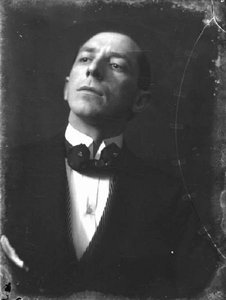
翁贝托·博奇奥尼
1882 - 1916 , 意大利
快速概览
- 全名: 翁贝托·博奇奥尼
- 出生地点: 意大利雷焦卡拉布里亚
- 出生日期: 1882年10月19日
- 受影响的艺术家或运动:
- 构成主义
- 抽象表现主义
- 国籍: 意大利人
- 影响艺术家:
- 贾科莫·巴拉
- 点彩派
- 立体主义
- 艺术流派: 未来主义
- 著名作品:
- 人体动态
- 连续空间中的独特形式
- 城市崛起
- 自行车手的动感
- 逝世日期: 1916年8月17日
相关文章

Timeless Contrast: A Professional Guide to Black and White Photography for Large-Scale Hotel Decor
A professional guide for hotel designers on utilizing black and white photography for large-scale decor. Learn to master scale, texture, and monochrome contrast to create impactful, high-end hospitality environments through efficient, bulk art procurement solutions.


