


 实景预览
实景预览
 分享
分享 分享
分享
 详情
详情 指南
指南

 下载作品
下载作品
 相似作品
相似作品 X射线
X射线 幻灯片播放
幻灯片播放 问答
问答 统计数据
统计数据Before

 展开全文
展开全文
艺术微喷/版画
博物馆级艺术微喷或帆布版画,制作高效,并提供多种饰面选择。 ( 订购纯手工绘制画作 切换至数字图像销售渠道)




P118B ¥10

P118H ¥10

P118W ¥10

P438Z ¥10

P508JH ¥12

P508YH ¥12

P805H ¥10

P805Z ¥10

P919BZ ¥10

P919G ¥10

P919XJ ¥10

P959ZH ¥10

P968JZ ¥12

W106C ¥8

W218G ¥10

W218JH ¥8

W218Y ¥10

W307PJ ¥10

W316G ¥10

W316PJ ¥8

W316Y ¥10

W398PJ ¥8

W4111J ¥10

W500HY ¥15

W500JH ¥15

W692G ¥12

W849H ¥8

W940BG ¥15

W953PJ ¥8




您可以从与原作比例一致的预设尺寸中进行选择。

请输入您所需的宽度和高度,以适配您的画框或墙面。由于印刷品只能进行裁剪,无法超出原图尺寸,因此若比例不一致,画面的一部分将会被裁切。在正式印刷之前,我们会为您发送一份数字效果图供您确认。本页面显示的图片并非最终裁剪后的效果——只有效果图才能展示真实的裁剪情况。


 玻璃选项仅适用于110厘米以下的尺寸。

Before
艺术微喷/版画
复刻品尺寸
-


最终结算价
¥ 436
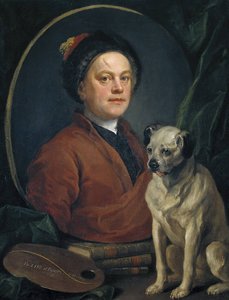
A Study in Domestic Discord: Unpacking William Hogarth’s “Before”
William Hogarth's "Before," painted circa 1753, isn’t merely a depiction of a domestic scene; it’s a meticulously crafted tableau of social commentary and psychological insight. This remarkable work, rendered in oil on canvas, captures a moment of intense tension within a seemingly ordinary room – a bedroom dominated by the uneasy dynamic between a seated woman and a standing one. The stark black and white palette immediately establishes a formal, almost theatrical quality, reminiscent of Hogarth’s earlier engravings, yet imbued with a raw emotionality rarely seen in his more polished portraiture.
The composition is deliberately unsettling. The posture of the standing figure – her hand raised, poised to strike – speaks volumes about suppressed anger and simmering resentment. Her face, partially obscured, conveys a mixture of defiance and vulnerability. Conversely, the seated woman’s expression suggests resignation or perhaps even complicity. The inclusion of the cat and dog, seemingly oblivious to the drama unfolding around them, further emphasizes the isolation and detachment within this domestic sphere. The mirror reflects not just the room's interior but also hints at a deeper, unresolved narrative – a sense of self-reflection and hidden truths.
Hogarth’s Satirical Vision: A Window into 18th Century London
To fully appreciate “Before,” it’s crucial to understand Hogarth's broader artistic project. He was a pioneer in using art as a vehicle for social critique, meticulously documenting the realities of life in 18th-century London – its excesses, hypocrisies, and moral failings. His "modern moral subjects," as he termed them, weren’t simply portraits; they were carefully constructed narratives designed to expose societal ills. Hogarth's work reflects a deep engagement with the social and political currents of his time, mirroring the anxieties surrounding class divisions, marriage customs, and the rise of consumerism.
The scene itself is laden with symbolism. The umbrella, a symbol of protection and status, lies discarded on the floor, suggesting a disruption of order and perhaps even a loss of control. The bed, a central element of domesticity, becomes a site of conflict rather than comfort. Hogarth’s meticulous attention to detail – from the texture of the fabrics to the arrangement of objects – reinforces the painting's narrative power, inviting viewers to decipher the unspoken tensions and underlying meanings.
Technique and Legacy: Hogarth’s Masterful Approach
Hogarth’s technique is characterized by a remarkable level of realism and precision. He employed a method of “optical mixing,” layering thin washes of paint to create subtle gradations of tone and texture, a technique that lends the image an almost photographic quality. His use of chiaroscuro – the dramatic contrast between light and shadow – further heightens the emotional impact of the scene, drawing attention to key elements and creating a sense of unease. The starkness of the monochrome palette amplifies the drama and focuses the viewer’s attention on the figures and their interaction.
“Before” stands as a testament to Hogarth's artistic genius and his profound understanding of human nature. It remains a powerful example of satirical art, offering a timeless glimpse into the complexities of domestic relationships and the social realities of 18th-century London. AllPaintingsStore’s hand-painted reproductions capture the essence of this iconic work, allowing you to experience its intricate details and emotional depth in stunning fidelity.
常见问题与解答
考虑到其色调,建议将"Before"陈列在哪个房间?
凭借其Earthy的色调,威廉·贺加斯 的《Before》非常适合布置在Living Room中。其色彩搭配正是这一推荐的核心原因。
"Before" 与 威廉·贺加斯 的其他作品有何共通之处?
在威廉·贺加斯的作品中,"Before" 呈现出18th Century Satire风格,并延续了satirical social commentary, 18th-century london life, moral critique, satire, hogarth’s visual narratives, critique of societal norms的主题。
在“Before”中,媒介与笔触是如何交融的?
“Before”采用 Acrylic On Canvas 创作,呈现出 18th Century Satire 风格。
相似作品


艺术家简介
威廉·霍加斯的生平
1697年的伦敦,巴塞洛缪闭合街(Bartholomew Close)的空气中弥漫着这座不断扩张的大都市特有的喧嚣。就在这里,威廉·霍加斯步入了一个充满动荡与不确定性的世界。他的父亲理查德·霍加斯(Richard Hogarth)是一名拉丁语教师兼教科书作者,为了生计而苦苦挣扎。家庭财务状况的起伏不定,使得理查德曾一度面临因债入狱、被关押在弗利特监狱(Fleet Prison)的残酷现实。这种对城市生活动荡性的早期体验,在他心中留下了深刻的烙印。威廉·霍加斯在观察社会阶层鸿沟的过程中逐渐长大,这种独特的视角,最终定义了他作为画家、雕刻家、讽刺作家、漫画家和作家的艺术生涯。
这个少年的成长之路并非由继承的财富或轻松的赞助铺就,而是一段被城市坚韧与粗粝感所塑造的人生。他穿梭在伦敦的街头巷尾,细致地观察着那些出没于咖啡馆和集市中的市井人物。他的母亲安妮·吉本斯(Anne Gibbons)为这个在时代经济波动中摇摆不定的家庭提供了情感的支柱。当他开始在艺术界崭露头角时,他已成为一位博学多才的艺术家,正运用墨水与色彩,解剖着那个孕育了他的社会。
- 《荡妇的旅程》(1731/1732)
- 《败棍的旅程》(1735)
- 《时尚婚姻》(1743–1745)
早年生活、家庭与艺术启蒙
1697年的伦敦,空气中弥漫着大都市特有的喧嚣。作为拉丁语教师兼兼职作家理查德·霍加斯的儿子,威廉·霍加斯在动荡的命运中度过了他的童年。由于无法偿还债务,理查德曾被关入弗利特监狱(Fleet Prison)长达五年,这种家庭生活的不稳定性,在那个动荡的时代显得尤为残酷。这段充满艰辛的岁月,以及家庭财务状况的朝不保夕,在年幼的威廉心中留下了深刻的烙印,让他对这座大都市的社会现实有了极为敏锐且深刻的观察。
到了1714年,威廉的关注点开始转向手工艺的精妙技艺。他进入了位于莱斯特菲尔兹(Leicester Fields)的金银雕刻师埃利斯·甘布尔(Ellis Gamble)的工作室进行学徒训练。在学习制作商业名片及类似印刷品的过程中,他磨炼出了极高的精准度,并逐渐掌握了铜版雕刻的核心技艺。正是这种扎实的技术功底,为他日后超越单纯的商业复制、走向更高远的艺术殿堂,奠定了坚实的基础。
随着他向正式的艺术学习迈进,他的艺术轨迹发生了根本性的转变。1720年,他考入了圣马丁巷学院(St Martin's Lane Academy)。随后,在乔治一世的御用画家 詹姆斯·索恩希尔爵士 的悉心指导下,他的艺术造诣得到了进一步的升华。在索恩希尔的影响下,他的创作重心从微观、精细的雕刻技艺,转向了宏大、复杂的绘画构图。他逐渐脱离了工匠式的细致劳作,开始向着宏伟的纯艺术领域进发。
技法与艺术风格
威廉·霍加斯的创作游走于写实肖像画的严谨精准与类漫画连环画的迅捷活力之间。他不仅仅是在作画,更是在构建叙事。这种艺术手法在他开创的“现代道德主题”中达到了巅峰——他通过视觉叙事来解构并批判当时的社会结构。对他而言,画布与铜版画不仅仅是媒介,更是上演戏剧冲突的舞台,他巧妙地将幽默与辛辣的讽刺交织在一起,使观点直抵人心。
其艺术成就的基石在于他对铜版雕刻技艺的精湛掌握。他深谙线条的力度,并敏锐地察觉到版画在触达大众受众方面的巨大力量。1753年,随着《美学分析》的出版,他的研究从视觉实践转向了理论构建。在书中,他超越了单纯的观察,开始系统化地阐述自己的美学理论,特别强调了“蛇形线”作为美感与动感核心原则的重要性。
荡妇的旅程 (1731/1732)
败棍的旅程 (1735)
婚姻一曲 (1743–1745)
核心作品与系列
威廉·霍加斯作品中的叙事力量,在其开创性的“现代道德主题”中达到了巅峰。这一系列绘画作品宛如早期的“视觉小说”,通过连贯的画面讲述着深刻的故事。在1731至1732年间,《荡妇的旅程》 细腻地勾勒出一位年轻女子来到伦敦后,如何在城市的诱惑中一步步走向悲剧性毁灭的过程。这种对社会堕落轨迹的描绘在1735年的《败棍的旅程》 中得到了延续,作品跟随汤姆·拉克威尔的脚步,展现了他如何将继承的遗产挥霍在赌博与纵欲之中。这些作品绝非简单的场景描绘,而是通过极其考究的细节和丰富的象征元素,深刻地记录了道德沦丧所带来的连锁反应。
随着创作的深入,威廉·霍加斯的视角从个人的毁灭转向了社会阶层的激烈碰撞,这在1743年至1745年创作的系列作品《婚姻协奏曲》 中体现得淋漓尽致。在这些画作中,艺术家以辛辣的笔触讽刺了包办婚姻的灾难性后果以及对虚荣地位的盲目追求。富裕阶层奢华的室内装潢与贫民窟污秽不堪的现实生活之间形成的强烈张力,成为了他笔下反复出现的永恒主题。即便在晚年,他的社会评论依然犀利如初。1748年,《噢,老英格兰的烤牛肉 探讨了民族认同感的问题;而1750年的《卫兵向芬奇利进军》 则呈现了军旅生活中混乱而喧嚣的一面,将远方整齐划一的方阵与近景中士兵们狂放不羁的行为形成了鲜明对比。
- 《荡妇的旅程》 (1731/1732)
- 《败棍的旅程》 (1735)
- 《婚姻协奏曲》 (1743–1745)
- 《噢,老英格兰的烤牛肉》 (1748)
- 《卫兵向芬奇利进军》 (1750)
传承与深远影响
18世纪见证了一种鲜明的英国艺术流派的兴起,而威廉·霍加斯正是这一运动的重要推动者,他拒绝盲目追随欧洲大陆的艺术范式,转而开辟了一条全新的道路。他超越了对外国风格的简单模仿,建立起一种植根于伦敦街头巷尾的视觉语言。这一转变具有划时代的意义,使他成为了他那个时代最重要的英国艺术家。他的影响力如此深远,以至于“霍加斯式”(Hogarthian)一词被正式纳入词典,用以精准地描述他那种独特的、带有讽刺意味的观察风格。
然而,艺术成就带来的商业成功也引发了全新的冲突。随着他的版画作品在民间获得极高的人气,随之而来的还有铺天盖地的非法翻印。剽窃行为一度成为威胁他生计的常态,这种矛盾最终演变成一场法律层面的博弈,彻底改变了知识产权的格局。为了捍卫创作者的权益,他积极推动了1735年《版权法》的制定,这一举措为艺术家们提供了法律盾牌,保护他们的劳动成果免受未经授权的侵占。
威廉·霍加斯通过连续图像进行叙事的方法,为后世的媒体形式绘制了蓝图。他被视为现代政治漫画和连环画的直接先驱,通过一系列图像来剖析社会行为,为视觉叙事提供了一种不仅在于“观看”,更在于“阅读”的范式。他的影响力跨越了18世纪的讽刺版画,一直延伸到现代流行文化的根基之中。
今日何处寻觅其踪迹
威廉·霍加斯的社会批判之作,其物质痕迹如今仍散落在世界各大艺术殿堂之中。在伦敦,国家美术馆珍藏着《婚姻一曲》系列作品,生动地保存了那段关于社会堕落的视觉叙事。而在不远处,泰特不列颠美术馆则收藏有《撒旦、罪恶与死亡(出自弥尔顿作品)》,这件杰作彰显了他将复杂的文学主题转化为视觉形式的卓越能力。此外,伦敦的救济院博物馆(The Foundling Museum)也保留着他的艺术印记,馆内收藏的《向芬奇利进发的卫兵》》一作,精准地捕捉了18世纪军事生活那混乱而喧嚣的生命力。
他的艺术影响力早已跨越了英国本土的边界。在纽约市,弗里克收藏馆保存着《玛丽·爱德华小姐》,这幅肖像画深刻反映了他捕捉个体性格特征的精湛技艺。通过这些收藏,观众得以在艺术原有的语境中,近距离感受他版画与绘画中那些细腻入微的细节。在这些机构处理纯艺术与大众讽刺艺术之间微妙张力的方式中,人们依然能感受到威廉·霍加斯那深远的艺术遗产。
威廉·贺加斯
1697 - 1764 , 英国
艺术家简介
- Artistic Movement Or Style: 现代道德题材
- Artists Or Movements Influenced By This Artist:
- 詹姆斯·吉尔雷
- 乔治·克鲁克香克
- Artists Who Influenced This Artist:
- 彼得·德·胡赫
- 詹姆斯·索恩希尔爵士
- Date Of Birth: 1697年
- Date Of Death: 1764年
- Full Name: 威廉·霍加斯
- Nationality: 英国
- Notable Artworks:
- 《荡妇的旅程》
- 《败棍的旅程》
- 《时尚婚姻》
- Place Of Birth: 英国伦敦
相关文章

Masterpieces of Satire: The Top 25 Artworks by William Hogarth
Explore William Hogarth's iconic satirical masterpieces. Discover the stories behind his greatest works on AllPaintingsStore.com.

Baroque Drama: Mastering Light, Shadow, and Grandeur for Sophisticated Interior Design
Elevate hospitality interiors with the dramatic grandeur of Baroque art. Discover how mastering chiaroscuro and light can transform hotel spaces through our premium, hand-painted oil reproductions and bespoke large-scale commissions for professional designers.


