


 实景预览
实景预览
 发送
发送 分享
分享
 详情
详情 指南
指南

 下载图片
下载图片
 相似作品
相似作品 X射线
X射线 幻灯片播放
幻灯片播放 统计数据
统计数据Figures
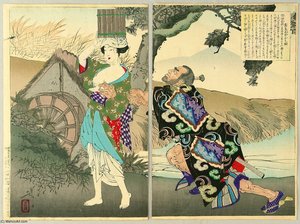
 Traditional Chinese Painting
 29.0 x 41.0 cm
 阅读全文
阅读全文
手工油画复制品
由我们的艺术家按需定制,为您提供您所选尺寸及画框的布面手工油画。 ( 切换至版画销售渠道 切换至数字图像销售渠道)




































您可以从与原作比例一致的预设尺寸中进行选择。

请输入您需要的宽度和高度,以适配您的画框或墙面。由于作品为手工绘制,若您选择不同的尺寸比例,艺术家可能会在画面边缘多画一些或稍作裁剪 —— 由您决定。在开始绘画之前,我们会为您发送一份数字效果图供您确认。本页面上展示的图片并非最终实物 —— 只有效果图才能反映真实结果。
下单后,AllPaintingsStore.com 团队将通过电子邮件联系客户获取具体要求,并提供效果预览图


 玻璃选项仅适用于110厘米以下的尺寸。

Figures
复制品材质
复刻品尺寸说明
-


总计金额
¥ 2741
相关艺术品




艺术家简介
A Contemporary Voice in the Tradition of Chinese Figure Painting: Xu Lele
Xu Lele emerges as a compelling figure within the vibrant landscape of contemporary Chinese art, an artist deeply rooted in classical traditions yet unafraid to forge a distinctly personal path. While biographical details remain intentionally sparse – a focus on the work itself being paramount – Xu’s paintings speak volumes about a dedication to capturing the essence of human connection and the beauty inherent in everyday life. Born in China (the exact year remains undisclosed), Xu Lele's artistic journey began with rigorous training in traditional Chinese painting techniques, specifically *figure painting* (人物画, rénwù huà). This foundation is immediately apparent in the meticulous brushwork, subtle color palettes, and compositional balance that characterize their oeuvre. However, Xu isn’t simply replicating the past; they are actively reinterpreting it for a modern audience.The Poetic World of ‘CHILDREN READING’
Xu Lele is perhaps best known for their series depicting *children reading*. These aren't idealized portrayals of youthful innocence, but rather intimate glimpses into moments of quiet contemplation and intellectual awakening. The figures are often rendered with a gentle realism, their faces alight with curiosity or lost in thought. The settings are typically simple – a traditional Chinese garden, a sun-dappled room – emphasizing the universality of the reading experience. These paintings aren’t merely depictions of children; they are meditations on learning, imagination, and the transmission of culture. The artist masterfully employs negative space, allowing the viewer to breathe alongside the subjects and become immersed in their world. The use of ink washes creates a soft, atmospheric quality, evoking a sense of nostalgia and tranquility. Xu’s choice of subject matter also subtly highlights the importance of education and literacy within Chinese society, themes that resonate deeply with contemporary concerns.Influences and Artistic Development
While Xu Lele maintains a deliberate distance from explicit declarations of influence, it's clear their work draws heavily from the rich tapestry of Chinese artistic history. The delicate line work echoes the masters of the Song Dynasty, particularly those known for *shan shui* (山水) landscape painting and bird-and-flower paintings (*hua niao*, 花鸟). However, there’s also a discernible influence of contemporary realism, evident in the nuanced portrayal of facial expressions and body language. Xu's development can be seen as a conscious effort to bridge the gap between tradition and modernity. Early works demonstrate a more overt adherence to classical conventions, with precise detailing and restrained color schemes. Over time, their style has evolved towards a greater sense of spontaneity and emotional expressiveness, while still retaining the core principles of Chinese painting aesthetics. The artist’s exploration of light and shadow also suggests an awareness of Western Impressionist techniques, though filtered through a distinctly Chinese sensibility.Themes and Symbolism in Xu Lele's Art
Beyond the central motif of children reading, Xu Lele’s work explores broader themes of human connection, cultural identity, and the passage of time. Landscapes often serve as symbolic backdrops, representing both physical environments and inner states of mind.- Gardens: Frequently appear in their paintings, symbolizing harmony, tranquility, and a retreat from the complexities of modern life.
- Books: Represent knowledge, wisdom, and the enduring power of storytelling.
- Water: A recurring element signifying fluidity, adaptability, and the cyclical nature of existence.
Historical Significance and Contemporary Relevance
Xu Lele’s work occupies a unique position within the contemporary art landscape. At a time when many artists are pushing boundaries through experimentation and abstraction, Xu remains committed to the traditions of Chinese painting. However, this isn't an act of preservation but rather one of revitalization. By infusing classical techniques with modern sensibilities, Xu Lele is ensuring that these artistic forms remain relevant for future generations. Their paintings offer a powerful counterpoint to the often-fragmented and chaotic nature of contemporary life, providing viewers with moments of quiet reflection and emotional connection. The artist’s focus on children and education also speaks to broader societal concerns about cultural preservation and the importance of nurturing young minds. Xu Lele's art is not just a testament to their technical skill but also a profound statement about the enduring power of human creativity and the beauty inherent in the Chinese artistic tradition.
相关文章
The Alchemy of Ink: Mastering the Timeless Beauty and Art History of Paper and Brush
Embark on a sophisticated exploration of ink wash painting and Sumi-e. Uncover the profound historical lineages, Zen philosophies, and technical mastery behind this timeless medium in our authoritative guide for fine art enthusiasts.

Evocations of Place: A Historical Journey Through Landscape Art
Explore the rich history of landscape art with AllPaintingsStore. Discover renowned artists, movements like Impressionism & Romanticism, and expert guidance for collecting timeless pieces. Find your perfect serene escape today!

浪漫主义画派的十部巨作:定义风景画的艺术传奇
探索浪漫主义风景画的巅峰!本文精选十部经典名作,带您领略莫奈、库尔贝等大师的艺术魅力。感受色彩与光影的诗意,重温自然风光的震撼。AllPaintingsStore.com为您提供博物馆级别的艺术复制品和个性化家居装饰方案。尽在AllPaintingsStore.com!

葛饰北斋:25幅传世名作,浮世绘大师的艺术传奇 (Katsushika Hokusai: 25 Masterpieces, The Art Legacy of the Ukiyo-e Master)
探索葛饰北斋的25幅传世名作!深入了解浮世绘大师的艺术传奇,感受《神奈川冲浪波》等经典作品背后的故事与魅力。AllPaintingsStore.com提供博物馆级高质量复制品,为您的家居带来日本风情和艺术灵感。立即探索完整系列!

