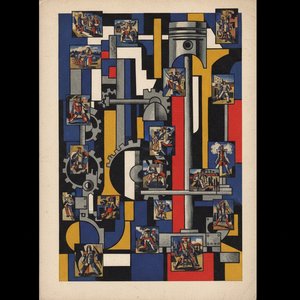
Fernand Le Quesne: A Life in Allegory and Tradition
- Born: Paris, France (1856)
- Died: 1932
Fernand Le Quesne was a French painter celebrated for his allegorical works and technical mastery. Born in Paris in 1856, he spent his career immersed in the artistic traditions of France, while also contributing to its evolving landscape during the late 19th and early 20th centuries. His life and work reflect a dedication to classical themes and meticulous execution, earning him recognition within French art circles.
Early Life and Training
Le Quesne's artistic journey began under the tutelage of Alexandre Cabanel, a prominent figure in the French academic art scene. This rigorous training instilled in Le Quesne a strong foundation in technical skills and exposed him to established styles and techniques prevalent at the time. Cabanel’s influence is evident throughout Le Quesne’s career, particularly in his attention to detail and adherence to classical composition principles.
Artistic Style and Notable Works
Le Quesne's artistic style is characterized by its focus on allegorical themes, a popular genre during the late 19th century. These works often drew inspiration from French folklore and mythology, lending his paintings a unique cultural resonance. His most recognized work, La Légende de Kerdeck (1890), exemplifies his skill in this genre, demonstrating his ability to translate complex narratives into visually compelling compositions.
- Allegorical Themes: Le Quesne skillfully employed allegory to explore intricate themes and ideas within his art.
- French Folklore and Mythology: His paintings frequently incorporated elements from French folklore, distinguishing his style.
- Influence of Alexandre Cabanel: The training under Cabanel is reflected in the precision and technical proficiency evident in Le Quesne’s work.
Legacy and Impact
Despite passing away in 1932, Fernand Le Quesne's artistic legacy endures through his paintings. His contributions to French art have been acknowledged, and his works continue to be appreciated for their technical skill and dedication to classical themes. While perhaps not as widely known as some of his contemporaries, Le Quesne’s work represents a significant contribution to the tradition of allegorical painting in France.
- Further Exploration: To learn more about Fernand Le Quesne and his art, visit AllPaintingsStore.
- Musée Maurice Denis: Explore the Musée Maurice Denis at this link for a broader understanding of French post-impressionism and related artistic movements.
Additional Resources
- Artvee: Fernand Le Quesne - Artvee provides biographical details, noting his connection to his father, a sculptor, and his work in Brittany and London.
- iment.com: Master Paintings of the World - Fernand Lequesne highlights "The Two Pearls" as an example of his Salon exhibition work.
- Dahesh Museum of Art: Artwork of the Month - Dahesh Museum of Art features "Diana and Her Hunting Maidens," discussing his departure from typical depictions of Diana.
- MutualArt: Fernand le Quesne | Biography - Mutual Art offers auction records and further biographical information.
- askART: Fernand Quesne - Biography - askART provides auction data and details about his artistic training.
问答详情
如何按年份顺序浏览 Fernand Le Quesne 的作品?
艺术家的 作品时间轴 页面按年份顺序展示了 Fernand Le Quesne 的作品。
Fernand Le Quesne 的出生地和出生年份是?
Fernand Le Quesne 于 1856 出生于 Paris。
Fernand Le Quesne 的创作时期属于哪个历史阶段?
Fernand Le Quesne 的创作时期处于 19th Century 时期。这一时期确立了艺术家在历史中的地位。
如何按特定媒介查找 Fernand Le Quesne 的所有作品?
全部媒介 页面按技法对 Fernand Le Quesne 的作品进行了分类。
Fernand Le Quesne 还以哪些名称为人所知?
Fernand Le Quesne 也以 F. Le Quesne, F. Lequesne 等其他名称为人所知。
Fernand Le Quesne 的哪些作品浏览量最高?
关于 Fernand Le Quesne 作品的相关统计数据,请参阅艺术家的 访问统计 页面。
在哪里可以按主题查看Fernand Le Quesne的作品分布?
您可以在Fernand Le Quesne的主题图谱页面上,按主题探索其作品。
Fernand Le Quesne 出生于哪个国家?
Fernand Le Quesne 出生于 France。