John Gabriel Stedman: A Soldier’s Witness to Colonial Horror
John Gabriel Stedman (1744 – 7 March 1797) remains a profoundly unsettling figure in the annals of art and history. More than just a Dutch-Scottish military officer, he was an explorer, a chronicler, and, crucially, a witness to the brutal realities of colonial expansion in Suriname. His meticulously detailed ‘Narrative of a Five Years Expedition against the Revolted Negroes of Surinam’ (1796), accompanied by strikingly graphic engravings, offered a rare – and deeply uncomfortable – glimpse into the mechanics of slavery, military campaigns, and the complex social dynamics of a burgeoning colony. Stedman's work transcends simple documentation; it became a potent catalyst for the nascent abolitionist movement, forcing European audiences to confront the horrors hidden behind the veneer of imperial progress.
Born in Dendermonde, then part of the Austrian Netherlands, Stedman’s early life was marked by instability and hardship. His father, Robert Stedman, a Scotsman serving in the Dutch Republic's Scots Brigade, instilled in him a pragmatic worldview shaped by military service and a keen eye for observation. This upbringing, coupled with his uncle’s influence, fostered a restless spirit and a fascination with adventure – qualities that would ultimately lead him to the remote jungles of Suriname.
The Suriname Campaign: A Descent into Violence
Stedman's military career began in earnest at sixteen, serving as an ensign in various Dutch outposts. However, it was his enlistment in 1773 that propelled him onto a path of extraordinary – and harrowing – experience. He joined a regiment dispatched to Surinam to quell rebellions by escaped slaves, known as maroons. This wasn’t a romantic expedition; it was a brutal struggle against a resourceful and determined enemy operating within an unforgiving landscape. Stedman's initial experiences under the command of Colonel Fourgeoud were particularly disastrous, marked by neglect, cruelty, and a profound disregard for the well-being of his troops. Fourgeaud’s lavish lifestyle, fueled by stolen supplies, stood in stark contrast to the desperate conditions endured by Stedman and his men – an observation that would later fuel a bitter resentment.
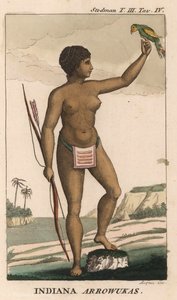
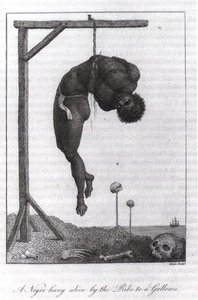
Stedman's account is replete with vivid descriptions of skirmishes, ambushes, and the relentless disease that ravaged the ranks. He documented not only the military tactics employed but also the psychological toll of prolonged conflict and the pervasive atmosphere of fear and uncertainty. The engravings accompanying his narrative are equally impactful, depicting scenes of violence, torture, and the dehumanizing effects of slavery with unflinching realism. Notably, Stedman’s illustrations often featured the maroons as cunning and formidable opponents, challenging the prevailing colonial narratives that portrayed them solely as savage criminals.
The Narrative: A Controversial Masterpiece
Despite its graphic content, *The Narrative* achieved immediate success upon publication in 1796. Stedman’s detailed observations and unflinching portrayal of slavery captivated a European audience eager to understand the realities of colonial life. However, it's crucial to acknowledge that Stedman’s account was not entirely objective. He meticulously revised his original diary, sanitizing certain passages and emphasizing aspects favorable to his own perspective. Nevertheless, *The Narrative* remains a significant historical document, offering invaluable insights into the complexities of slavery, colonialism, and the human cost of military intervention.
Furthermore, Stedman’s work was profoundly influenced by the artistic sensibilities of his time. The engravings that accompanied his narrative were produced by prominent artists like Francesco Bartolozzi and William Blake, both of whom brought their own distinct styles to bear on the subject matter. Bartolozzi's meticulous attention to detail and Blake's expressive use of line contributed significantly to the visual impact of *The Narrative*, transforming Stedman’s words into a powerful and enduring image.
Legacy and Abolitionist Impact
John Gabriel Stedman’s legacy is inextricably linked to his role in shaping public opinion regarding slavery. *The Narrative* provided compelling evidence of the brutality inherent in the colonial system, challenging prevailing justifications for exploitation and oppression. While Stedman himself wasn't an abolitionist by conviction, his work undeniably contributed to the growing momentum of the anti-slavery movement. His detailed depictions of slave life – including scenes of torture and forced labor – shocked readers and fueled calls for reform.
Beyond its immediate impact on the abolitionist cause, Stedman’s narrative continues to resonate today as a testament to the enduring power of firsthand accounts. His work serves as a stark reminder of the human cost of colonialism and the importance of confronting uncomfortable truths about our past. The images from *The Narrative* remain particularly potent, offering a visceral connection to a period of profound injustice and challenging viewers to grapple with the legacy of slavery in the 21st century.
问答详情
目前目录中共有多少件 John Gabriel Stedman 的作品可供浏览?
您可以在 全部作品 页面浏览由 John Gabriel Stedman 创作的 11 件作品 件作品。
John Gabriel Stedman 的创作时期属于哪个历史阶段?
John Gabriel Stedman 的创作活跃于 Early Modern 时期,这一时期确立了艺术家在艺术史上的地位。
在哪里可以按时间顺序欣赏 John Gabriel Stedman 的作品?
艺术家的 作品时间轴 页面按年份顺序展示了 John Gabriel Stedman 的作品。