Tsubaki Sadao: Bridging Tradition and Innovation in Japanese Landscape Painting
Tsubaki Sadao (1896 – 1957) stands as a pivotal figure in the landscape painting tradition of Japan, embodying a remarkable synthesis between Eastern aesthetics and Western artistic methodologies. Born in Yamagata Prefecture, his formative years were steeped in the cultural milieu of Meiji Era Japan—a period marked by rapid modernization and exposure to European art movements.
- Early Influences: Sadao’s artistic journey commenced under the tutelage of Kishida Ryūsei, a prominent Impressionist painter who championed the incorporation of Western techniques into Japanese art. This mentorship fostered an appreciation for naturalism alongside stylistic experimentation.
- Literary Connections: He cultivated friendships with fellow members of the Shinjinkai literary group—a collective dedicated to exploring new artistic horizons and challenging conventional norms—further enriching his intellectual landscape.
- Societal Engagement: Sadao’s involvement with the Shunyo-kai art society ensured that his work remained attuned to contemporary sensibilities, showcased prominently at the Tokyo Metropolitan Art Museum’s annual exhibitions.
Sadao's artistic style evolved throughout his career, consistently prioritizing meticulous observation of nature alongside masterful brushwork—a hallmark of Japanese painting heritage. He skillfully blended Impressionistic color palettes with traditional compositional considerations, resulting in canvases that resonate with both immediacy and depth.
Notable Works: Capturing Essence Through Observation
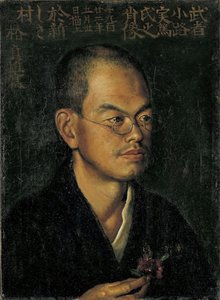
- Portrait of Mushanokoji Saneatsu (1923): This portrait exemplifies Sadao’s dedication to realism. Employing a subdued palette and nuanced shading, he captured the dignified countenance of Mushanokoji Saneatsu—a celebrated poet and intellectual—reflecting not only physical likeness but also psychological character.
- Still Life with Flowers (1930): Sadao’s still lifes demonstrate his command of light and color. He meticulously rendered floral arrangements, utilizing textured brushstrokes to convey the ephemeral beauty of blossoms against a backdrop of muted tones.
- Ryusei in the Coffin (1929): This evocative piece delves into themes of mortality and remembrance. Sadao’s masterful depiction of a coffin—a poignant symbol of death—employed dramatic lighting and expressive brushwork to convey profound emotion.
Sadao's paintings gained recognition within Japan’s artistic circles and were subsequently exhibited internationally, cementing his reputation as a respected artist. His works reside in esteemed museums across the nation, including the Tokyo Metropolitan Art Museum and Yamagata Museum of Art—testaments to their enduring aesthetic merit.
Legacy: An Artistic Synthesis
Tsubaki Sadao’s contribution to Japanese landscape painting transcends mere stylistic imitation; he achieved a genuine dialogue between tradition and innovation. His artistic vision continues to inspire subsequent generations of painters, demonstrating the transformative potential of embracing diverse influences while upholding core aesthetic values.
Availability & Further Exploration
Interested in experiencing Sadao’s art firsthand? Reproductions are available on AllPaintingsStore.com where you can delve deeper into his oeuvre and appreciate the beauty of Japanese landscape painting.
问答详情
在哪里可以按关键词浏览 Tsubaki Sadao 的作品集?
您可以通过艺术家按关键词检索页面,按关键词探索Tsubaki Sadao的作品。每个关键词都汇集了相关的艺术品。
如何按特定媒介查找 Tsubaki Sadao 的所有作品?
您可以在Tsubaki Sadao的全部媒介页面上按媒介浏览其作品。
在哪里可以参观Tsubaki Sadao作品的3D虚拟展厅?
Tsubaki Sadao 的 3D 博物馆 是一个在虚拟三维展厅中展示艺术家作品的页面。