A Poet’s Brush: The Evocative World of Wacław Ujejski
Wacław Ujejski (1902-1982) remains a compelling, yet somewhat enigmatic figure in the landscape of Polish 20th-century art. Primarily known as a poet, his artistic endeavors extended into painting, creating a unique synergy between word and image that captured the spirit of a changing Poland. While biographical details are scarce, Ujejski’s work speaks volumes – a testament to a sensitive soul deeply connected to the land and its people. He wasn't merely documenting scenes; he was translating emotions onto canvas, imbuing his landscapes and portraits with a symbolic weight that resonates even today. His artistic journey unfolded against a backdrop of immense political and social upheaval, shaping both his poetic voice and his visual style.Early Life and Artistic Beginnings
Born in Poland in 1902, Ujejski’s early life remains largely undocumented. What is known is that he possessed an innate sensitivity to the beauty of the natural world, a quality that would become central to his artistic expression. The formative years likely instilled within him a deep appreciation for Polish folklore and rural traditions – themes that frequently appear in his paintings. While formal art training details are limited, it’s clear Ujejski developed a distinctive style characterized by a gentle lyricism and a subtle use of color. He wasn't driven by the avant-garde movements sweeping Europe; instead, he forged his own path, rooted in observation and personal feeling. His poetry undoubtedly influenced his painting, and vice versa, creating a holistic artistic vision where both mediums informed each other.Themes and Symbolism
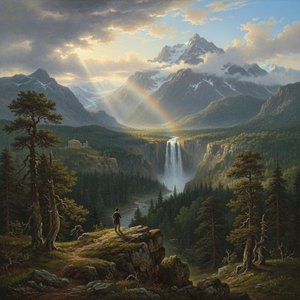
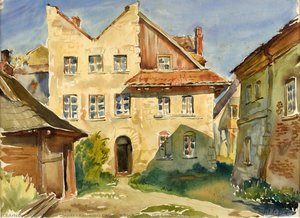
Ujejski’s paintings are often imbued with a quiet symbolism that invites contemplation. Landscapes dominate his oeuvre, particularly those depicting Kazimierz Dolny, a town on the Vistula River which held a special significance for him. These aren't simply picturesque views; they represent a longing for a simpler past, a connection to the Polish countryside threatened by modernization and political turmoil. Portraits also feature prominently, often capturing the dignity and resilience of rural inhabitants. The artist frequently employed muted color palettes, creating an atmosphere of nostalgia and melancholy. Recurring motifs include orchards, gardens, and traditional wooden architecture – symbols of Polish identity and cultural heritage. His work subtly reflects a sense of loss and displacement, hinting at the anxieties of a nation grappling with its own history and future.Style and Technique
Ujejski’s painting style is best described as lyrical realism, though it resists easy categorization. He wasn't concerned with photographic accuracy; rather, he sought to capture the essence of his subjects, their emotional weight and spiritual significance. His brushwork is delicate and precise, creating a sense of intimacy and immediacy. The artist’s use of light is particularly noteworthy – often soft and diffused, it bathes his scenes in a gentle glow, enhancing their atmospheric quality. He favored oil paints, allowing him to achieve rich textures and subtle gradations of color. While not overtly expressive, his technique conveys a profound sense of feeling, drawing the viewer into the emotional world of his paintings. His work stands apart from many contemporary movements, embracing a quiet introspection rather than bold experimentation.Legacy and Historical Significance
Though Ujejski’s artistic output may not be widely known internationally, he holds an important place in Polish art history. He represents a unique voice – a poet who translated his lyrical sensibility into evocative paintings that captured the spirit of early 20th-century Poland. His work offers a poignant glimpse into a vanishing way of life, preserving memories and traditions threatened by political upheaval and modernization.- His landscapes serve as powerful reminders of the beauty and fragility of the Polish countryside.
- His portraits celebrate the dignity and resilience of rural communities.
- Ujejski’s art continues to resonate with audiences today, offering a timeless reflection on themes of identity, loss, and belonging.
问答详情
是否有关于Wacław Ujejski所创作的所有主题的概览?
您可以在Wacław Ujejski的主题索引页面上,按主题探索其作品。
Wacław Ujejski 来自哪里?
Wacław Ujejski 出生于 Poland。
是否有Wacław Ujejski作品的时间线?
Wacław Ujejski 的作品时间轴现已上线:在艺术家的 作品时间轴 页面中,所有作品均按创作日期排序。