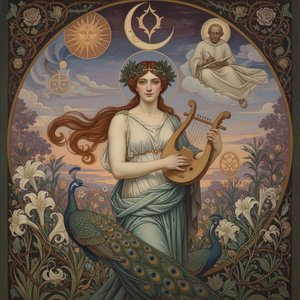
William Perkins Babcock (1826–1899): A Visionary of American Floral Art
William Perkins Babcock was born in Boston, Massachusetts, in 1826, into a family steeped in artistic tradition. His father, William Babcock Sr., was a portrait painter himself, fostering an early appreciation for visual representation and meticulous observation—qualities that would profoundly shape Babcock’s artistic trajectory. From a young age, he demonstrated exceptional talent, honing his skills through self-study and experimentation before embarking on formal training at Yale University under the tutelage of Frederic Church, a pivotal figure in establishing the Hudson River School movement. This formative experience instilled in him a deep understanding of Romantic landscape painting principles—luminosity, atmospheric perspective, and an idealized depiction of nature—influences that would permeate his subsequent artistic endeavors.- Early Influences: Babcock’s artistic sensibilities were nurtured by the broader Victorian aesthetic, characterized by ornate decoration and sentimental themes. However, he swiftly distanced himself from prevailing trends, gravitating toward a more restrained style informed by Barbizon painting techniques—a movement championed by Jean-François Millet and Gustave Courbet—which prioritized direct observation of rural life and emphasized tonal gradations to convey mood and texture.
- Barbizon Style: Babcock’s immersion in the Barbizon School marked a decisive shift toward capturing the essence of American landscapes with unparalleled sensitivity. He meticulously studied Millet's approach, adopting his method of applying thin layers of pigment—often built up over time—to achieve subtle variations in color and form. This technique allowed him to convey not merely visual accuracy but also profound emotional resonance.
- Notable Works: Babcock’s oeuvre comprises a remarkable collection of floral still lifes and landscapes, reflecting his unwavering dedication to botanical illustration and artistic exploration. Among his most celebrated paintings include “Flowers in a Cut Glass Vase,” a masterful depiction of delicate blossoms arranged within an elegant vase—a testament to his meticulous attention to detail and compositional balance. Similarly, "The Old Orchard" showcases his ability to evoke the tranquility and beauty of rural America through evocative tonal harmonies and nuanced brushwork.
- Recognition & Legacy: Babcock’s artistic achievements garnered considerable acclaim during his lifetime, securing commissions from prominent patrons and elevating his reputation as one of America's foremost floral artists. His paintings continue to resonate with viewers today, embodying the spirit of Romantic idealism while simultaneously grounding themselves in precise observation—a harmonious blend that distinguishes him as a singular voice within the annals of American art history.
- Williams College Museum of Art Collection: Babcock’s works are housed prominently within the Williams College Museum of Art's collection, where they serve as enduring reminders of his artistic vision and contribution to the broader landscape of Victorian botanical painting. Visitors can experience firsthand the beauty and subtlety of his compositions—a testament to his mastery of technique and his unwavering commitment to capturing the sublime grandeur of the natural world.
Further Exploration
To delve deeper into Babcock’s artistic journey, consider visiting AskART (问答详情
William Perkins Babcock 的哪些作品浏览量最高?
William Perkins Babcock 的 访问统计 页面展示了基于 本网站 上列出的艺术家作品所计算出的统计数据。
在哪里可以按色调浏览 William Perkins Babcock 的作品?
若要按特定色调查找 William Perkins Babcock 的作品,请访问艺术家的 按色调分类 页面。
如何按特定媒介查找 William Perkins Babcock 的所有作品?
若要查找William Perkins Babcock在特定媒介下的所有作品,请访问艺术家的全部媒介页面。