


 معاينة الحجم الحقيقي
 مشاركة
 مشاركة
 التفاصيل
 الدليل

 تحميل الملف
 قطع مشابهة
 الأشعة السينية
 عرض شرائح
 الإحصائيات
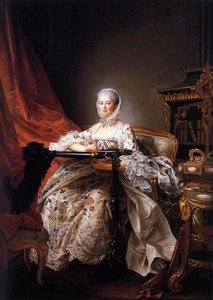
The Wife of Joachim Ulrich Giese
 Oil On Canvas
- WallArt
- Rococo Portrait
 1762
1762 142.0 x 106.0 cm
 Staatliche Museen
 عرض المزيد
نسخة زيتية مصنوعة يدوياً
لوحة زيتية مرسومة يدوياً على الكانفاس بالمقاس والإطار الذي تفضله، تُنفذ حسب الطلب على أيدي فنانينا. ( التحويل إلى المطبوعات الانتقال إلى الصورة الرقمية)




P118B $10

P118H $10

P118W $10

P438Z $10

P508JH $12

P508YH $12

P805H $10

P805Z $10

P919BZ $10

P919G $10

P919XJ $10

P959ZH $10

P968JZ $12

W106C $8

W218G $10

W218JH $8

W218Y $10

W307PJ $10

W316G $10

W316PJ $8

W316Y $10

W398PJ $8

W4111J $10

W500HY $15

W500JH $15

W692G $12

W849H $8

W940BG $15

W953PJ $8




اختر من بين أحجامنا المُعدّة مسبقًا والتي تتطابق مع النسب الأصلية للعمل الفني.

يمكنك إدخال أبعادك الخاصة لتناسب إطارًا معينًا أو مساحة محددة. وإذا لم يتطابق الحجم الذي اخترته مع نسب الصورة الأصلية، فسنقوم إما بقص العمل الفني أو توسيع اللوحة بإضافة عناصر مرسومة يدويًا. سيتم إرسال نموذج رقمي إليك للموافقة عليه قبل بدء الإنتاج.
يرجى ملاحظة أن المعاينة على الشاشة لا تعكس عملية القص أو التوسيع الفعلية؛ حيث إن النموذج الرقمي وحده هو الذي سيوضح التكوين النهائي بدقة.
وعلى الرغم من توفر أحجام مخصصة، إلا أننا نوصي باختيار أبعاد من القائمة المحددة مسبقًا للحفاظ على النسب الأصلية للعمل الفني.
بعد إتمام الطلب، سيرسل فريق AllPaintingsStore.com بريداً إلكترونياً للعميل لطلب التعليمات وتزويده بمعاينة تجريبية (mockup).
توصيل عالمي إلى خلال 3 إلى 4 أسابيع بدلاً من المدة المعتادة البالغة 5 أسابيع. (21 سبتمبر). جودة لا تهاون فيها.

شحن سريع ومجاني لجميع أنحاء العالم

قماش كتان عالي الجودة

تأمين شحن شامل

ضمان استرداد الرسوم الجمركية

ضمان مطابقة الألوان الحقيقية

سياسة الإرجاع خلال 100 يوم (في حالات العيوب فقط)

ضمان استرداد نقدي بنسبة 100%

خصم عند طلب عدة قطع
 خيار الزجاج متاح فقط للمقاسات التي تقل عن 110 سم

The Wife of Joachim Ulrich Giese
خامة إعادة الإنتاج
مقاس النسخة المطبوعة
-


السعر الإجمالي النهائي
$ 258
The Enigmatic Beauty of “The Wife of Joachim Ulrich Giese”
Georg David Matthieu’s “The Wife of Joachim Ulrich Giese,” painted in 1762, is more than just a portrait; it's a meticulously crafted tableau of Rococo elegance and subtle psychological depth. Created during the height of Matthieu’s career – a period marked by his association with influential figures like Jakob Philipp Hackert and his service as court painter for the Duke of Mecklenburg – this work offers a captivating glimpse into the refined world of 18th-century European aristocracy. The painting depicts a woman, identified as the wife of Joachim Ulrich Giese, seated in an opulent interior, her posture suggesting both quiet contemplation and a restrained dignity.
Matthieu’s mastery lies not merely in his technical skill but in his ability to imbue his subjects with personality through nuanced details. The woman's attire – a lavish gown of pale pink silk adorned with delicate lace and intricate embroidery – speaks volumes about her social standing and the wealth of her family. Her hands, folded gracefully before her, are rendered with exquisite precision, revealing the artist’s deep understanding of anatomy and texture. The subtle play of light across her face and clothing creates a sense of warmth and intimacy, drawing the viewer into her world.
A Window into Mecklenburg Aristocracy
To fully appreciate “The Wife of Joachim Ulrich Giese,” it's essential to understand its historical context. The painting was created during a period of significant cultural flourishing in Mecklenburg-Schwerin, a duchy known for its patronage of the arts and its commitment to maintaining a sophisticated courtly lifestyle. Joachim Ulrich Giese himself was a prominent figure within this society – a landowner and administrator who held considerable influence. Matthieu’s commission reflects the importance placed on documenting the lives and appearances of the nobility, solidifying their status and projecting an image of prosperity and refinement.
The setting is equally significant. The room itself—a richly decorated chamber with a plush couch, a vase holding flowers, and a scattering of papers – speaks to the comforts and intellectual pursuits enjoyed by the Giese family. These details are not merely decorative; they contribute to a broader narrative about the woman’s role within her household and community. It's a space designed for both social interaction and quiet reflection, mirroring the complexities of her life.
Rococo Techniques and Symbolism
Matthieu’s style is firmly rooted in the Rococo tradition – characterized by its emphasis on grace, elegance, and playful ornamentation. He employs delicate brushstrokes, pastel colors, and a shallow perspective to create an atmosphere of lightness and airiness. The use of *chiaroscuro*—the dramatic contrast between light and shadow—adds depth and volume to the figures, while also enhancing their emotional impact.
Beyond its technical brilliance, “The Wife of Joachim Ulrich Giese” is rich in symbolic meaning. The woman’s gaze, directed slightly off-center, suggests a thoughtful introspection – perhaps a reflection on her role as wife and mother, or a contemplation of the wider world beyond her domestic sphere. The books and papers scattered before her hint at intellectual pursuits and a desire for knowledge. Even the flowers in the vase can be interpreted symbolically, representing beauty, love, and fertility.
A Timeless Portrait of Refinement
“The Wife of Joachim Ulrich Giese” remains a captivating work of art, offering a rare glimpse into the lives of European aristocrats during the 18th century. Matthieu’s masterful technique, combined with his keen eye for detail and psychological insight, has created a portrait that is both visually stunning and emotionally resonant. It's a testament to the enduring power of Rococo art – a celebration of beauty, elegance, and the complexities of human experience. Reproductions of this piece offer an opportunity to bring this exquisite work into any setting, adding a touch of timeless sophistication and intellectual curiosity.
أعمال فنية ذات صلة




السيرة الذاتية للفنان
Jean Baptiste Vanmour: A Painter of the Sublime and the Exotic
Born in Valenciennes, France, in 1671, Jean Baptiste Vanmour’s life was a tapestry woven across continents – from the bustling streets of Paris to the opulent courts of Constantinople. While often overshadowed by his contemporaries, Vanmour carved out a distinctive artistic niche, blending meticulous detail with an evocative sense of drama and a fascination with both classical antiquity and the exotic landscapes of the East. His career spanned nearly seven decades, marked by a remarkable adaptability and a willingness to embrace diverse subject matter, ultimately establishing him as one of the most significant landscape painters of his era.
Vanmour’s early artistic training remains somewhat shrouded in mystery, though it's believed he began his apprenticeship under the renowned painter, Nicolas-Joseph Patelin. This foundation instilled in him a classical sensibility – a deep understanding of composition, perspective, and the idealized beauty of the human form. However, Vanmour quickly transcended mere imitation, developing a unique style characterized by an almost obsessive attention to detail and a masterful use of light and shadow. His early works often depicted scenes from mythology and history, showcasing his technical skill but hinting at a growing desire for something more – a connection with the natural world.
The Eastern Influence: Constantinople and Beyond
A pivotal moment in Vanmour’s career arrived in 1736 when he journeyed to Constantinople, then the capital of the Ottoman Empire. This move proved transformative, profoundly shaping his artistic vision and subject matter. The vibrant colors, dramatic lighting, and exotic flora and fauna of the East captivated him, inspiring a series of paintings that celebrated the splendor and mystery of this distant land. He became intimately familiar with the city’s architecture, its bustling markets, and its diverse population, capturing these scenes with remarkable accuracy and an undeniable sense of wonder.
- Landscapes of the Sublime: Vanmour's landscapes weren’t simply depictions of scenery; they were imbued with a profound sense of drama and grandeur. He frequently chose dramatic vistas – towering mountains, vast plains, and turbulent rivers – to evoke feelings of awe and contemplation.
- Oriental Details: His paintings are replete with meticulously rendered details—the intricate patterns of Persian carpets, the shimmering surfaces of mosques, the vibrant hues of exotic flowers—creating a rich tapestry of sensory experience.
- Portraits of Ottoman Dignitaries: Vanmour also produced numerous portraits of Ottoman officials and dignitaries, skillfully capturing their personalities and status through subtle gestures and carefully chosen attire.
Technique and Style: A Synthesis of Classical and Eastern Traditions
Vanmour’s artistic style represents a fascinating synthesis of classical and oriental influences. He retained the rigorous compositional principles learned from his training in France, employing techniques of aerial perspective and chiaroscuro to create depth and atmosphere. However, he infused these elements with a distinctly eastern sensibility—a heightened awareness of color, texture, and the interplay of light and shadow. His brushwork was often loose and expressive, conveying a sense of movement and spontaneity that contrasted sharply with the more formal style of his contemporaries.
He was particularly adept at capturing the effects of light on water, creating shimmering reflections and dynamic ripples that brought his landscapes to life. His use of color was equally remarkable—he employed a wide range of hues, often layering them to create complex and luminous surfaces. Vanmour’s meticulous attention to detail extended beyond mere representation; he sought to capture the *essence* of each subject, imbuing his paintings with a sense of emotional resonance.
Legacy and Influence
Jean Baptiste Vanmour died in Constantinople in 1778, leaving behind a substantial body of work that continues to fascinate art historians and collectors today. While he never achieved widespread fame during his lifetime, his paintings are now recognized as masterpieces of the late Baroque and early Rococo periods. His influence can be seen in the works of later landscape painters who were inspired by his dramatic compositions, his masterful use of color, and his fascination with the exotic East.
His work is particularly valued for its ability to transport the viewer to distant lands—to the sun-drenched plains of Persia, the majestic mountains of Turkey, and the bustling streets of Constantinople. Vanmour’s paintings are not merely representations of scenery; they are windows into a world of beauty, mystery, and adventure – a testament to the enduring power of art to transcend time and place.
Further Resources

georg david matthieu
1737 - 1778 , Germany
حقائق سريعة
- Artistic Movement Or Style: Painter
- Artists Who Influenced This Artist: ['None],\n "Artists or movements influenced by this artist": [Hackert, Jacob Philipp']
- Date Of Birth: January 9, 1671
- Date Of Death: January 22, 1737
- Full Name: Jean Baptiste Vanmour
- Nationality: French
- Notable Artworks: ['Various landscapes and portraits']
- Place Of Birth: Valenciennes, France
مقالات ذات صلة

Rococo Art Guide: Integrating Elegant Curves and Pastel Opulence into Luxury Hotel Design
Master the Rococo aesthetic for luxury hospitality. Our expert guide explores integrating pastel palettes, ornate curves, and large-scale fine art reproductions into high-end hotel design through professional procurement and custom canvas solutions.

