


 معاينة الحجم الواقعي
 إرسال
إرسال مشاركة
 عرض التفاصيل
 دليل الأعمال الفنية للطلاب

 تحميل
تحميل
 قطع مشابهة
 الأشعة السينية
 عرض شرائح متتابع
 Q&A
Q&A الإحصائيات
Untitled
 Acrylic On Canvas
- WallArt
- Color Field Painting
 1949
1949 229.0 x 112.0 cm
 اقرأ المزيد
إن العمل الفني المعروض في هذه الصفحة محمي بموجب قوانين حقوق الطبع والنشر، مما يعني أنه لا يحق لنا قانوناً إنشاء أو بيع نسخ مطابقة له. وتُطبق هذه الحماية بموجب الاتفاقيات الدولية مثل الـ اتفاقية برن ووفقاً للقوانين الوطنية، بما في ذلك تلك المنصوص عليها في قانون حقوق الطبع والنشر في الولايات المتحدة - الباب 17.
تتوافق هذه الطريقة تماماً مع لوائح حقوق النشر لأنها لا تتضمن نسخ أو تكرار العمل الفني المحمي، بل هي إعادة تفسير إبداعية؛ أي أنها لوحة جديدة مستوحاة من الأصل ولكنها ليست مطابقة له.
طباعة جيلي / مطبوعات فنية
طباعة جيكلي أو كانفاس بجودة المتاحف، مع سرعة في التنفيذ وخيارات متنوعة للتشطيب. ( اطلب نسخة مرسومة يدويًا التحويل إلى الصورة الرقمية)




P118B E£10

P118H E£10

P118W E£10

P438Z E£10

P508JH E£12

P508YH E£12

P805H E£10

P805Z E£10

P919BZ E£10

P919G E£10

P919XJ E£10

P959ZH E£10

P968JZ E£12

W106C E£8

W218G E£10

W218JH E£8

W218Y E£10

W307PJ E£10

W316G E£10

W316PJ E£8

W316Y E£10

W398PJ E£8

W4111J E£10

W500HY E£15

W500JH E£15

W692G E£12

W849H E£8

W940BG E£15

W953PJ E£8




اختر من بين أحجامنا المُعدّة مسبقاً والتي تتوافق مع النسب الأصلية للعمل الفني.

أدخل العرض والارتفاع اللذين تحتاجهما، ليتناسب مع إطارك أو جدارك. يمكن قص المطبوعة فقط، ولا يمكن أبداً جعلها أكبر من الصورة الأصلية، لذا فإن أي مقاس بشكل مختلف سيؤدي إلى فقدان جزء من الصورة. سنرسل لك نموذجاً رقمياً تجريبياً لاعتماده قبل البدء في عملية الطباعة. الصورة المعروضة في هذه الصفحة لا توضح القص الفعلي — النموذج التجريبي فقط هو ما يظهر ذلك.
توصيل عالمي إلى خلال أسبوعين بدلاً من المدة القياسية البالغة 4/5 أسابيع. (29 أكتوبر)

شحن سريع ومجاني لجميع أنحاء العالم

قماش كتان فاخر

تأمين شامل على الشحن

ضمان استرداد الرسوم الجمركية

ضمان دقة مطابقة الألوان

سياسة الإرجاع خلال 100 يوم (في حالات العيوب فقط)

ضمان استرداد نقدي بنسبة 100%

عرض خصم الكميات
 خيار الزجاج متاح فقط للمقاسات التي تقل عن 110 سم

Untitled
طباعة جيلي / مطبوعات فنية
مقاس النسخة المطبوعة
-


إجمالي السعر
E£ 3326
The Genesis of a Field: Mark Rothko's 1949 Untitled
This captivating reproduction offers an intimate glimpse into one of the most significant works from Mark Rothko’s mature period, painted in 1949. At first glance, it appears deceptively simple – four distinct blocks of color: a vibrant red, a deep green, a sunny yellow, and a grounding brown – arranged across the canvas with an almost meditative precision. However, to reduce this piece to mere hues is to profoundly misunderstand Rothko’s revolutionary approach to abstraction. Born in Dvinsk (now Daugavpils), Latvia, in 1903, Mark Rothko's early life was shaped by displacement and a deep-seated sensitivity to human suffering – experiences that would become recurring themes in his art. His emigration to the United States in 1913, following the death of his father, marked a pivotal shift, yet the anxieties of assimilation and the lingering shadow of loss continued to inform his artistic vision. This particular painting, created during a period of intense experimentation with color and form, embodies Rothko’s core philosophy: to evoke profound emotional responses through the pure essence of color itself.
Color as Feeling: A Deeper Dive into Technique
Rothko’s technique is deceptively straightforward, yet incredibly complex in its execution. He applied the paint in thin layers, often building up multiple coats to achieve a luminous, almost velvety surface. Crucially, he avoided sharp edges or defined forms, opting instead for gradual transitions and blurred boundaries between the colors. This deliberate lack of definition isn’t an absence of detail; rather, it creates an immersive experience for the viewer – inviting them to lose themselves within the fields of color and allow their own emotions to resonate with the artwork. The pigments themselves were carefully chosen not just for their visual impact but also for their ability to interact optically, creating subtle shifts in hue and intensity as the light changes. Notice how the red seems to vibrate against the green, or how the yellow subtly bleeds into the brown – these are not merely aesthetic choices; they’re deliberate attempts to manipulate perception and evoke a specific emotional state.
The Language of Abstraction: Symbolism and Context
While Rothko vehemently resisted any attempt to interpret his paintings as representing concrete objects or narratives, there's no denying the profound symbolism embedded within these color fields. The choice of colors themselves is laden with meaning. Red often represents passion, energy, and even violence; green evokes nature, growth, and renewal; yellow symbolizes joy, optimism, and spirituality; and brown grounds the composition, suggesting stability and connection to the earth. The arrangement of these colors – the deliberate lack of hierarchy or focal point – suggests a state of equilibrium, a striving for harmony amidst existential uncertainty. This painting aligns with Rothko’s broader exploration of themes such as mortality, trauma, and the search for meaning—a quest that resonated deeply within his personal life and artistic practice. It's important to note that Rothko was part of the American Abstract Expressionist movement, a period marked by a shift away from representational art towards non-objective forms and an emphasis on subjective experience.
A Legacy in Light: The Rothko Chapel and Beyond
The influence of Mark Rothko extends far beyond this single painting. His work profoundly impacted the development of color field painting, inspiring generations of artists to explore the expressive potential of pure color. His later years were spent refining his style, culminating in monumental works like those installed at the Rothko Chapel in Houston, Texas – a space designed specifically to showcase and enhance the emotional impact of his paintings. The chapel’s octagonal shape and darkened interior create an environment that mirrors the contemplative atmosphere of Rothko's art, allowing viewers to fully immerse themselves in the experience. Reproductions like this offer a tangible connection to this extraordinary artist and his enduring legacy—a testament to the power of color to evoke profound emotion and transcend the boundaries of language.
الأسئلة والأجوبة
ما هو الحجم والاتجاه الموصى بهما لطباعة "Untitled"؟
بالنسبة لـ "Untitled"، فإن إعداد الطباعة الموصى به هو بحجم Medium وبوضعية Tall.
هل تُعد "Untitled" نموذجاً لما اعتاد مارك روثكو على إبداعه عادةً؟
يصور "Untitled" موضوعات color palette, rothko, abstraction, geometry, red green yellow, emotional, 1949, latvia، بينما تتمثل الثيمات المسجلة لـ مارك روثكو في jewish displacement, existentialism, color theory, trauma, abstract expressionism. وتُظهر المقارنة بينهما مدى ارتباط هذا العمل بالموضوعات المعتادة للفنان.
ما هو اللون الطاغي الذي ينساب عبر "Untitled" للفنان مارك روثكو؟
اللون السائد في "Untitled" للفنان مارك روثكو هو Golden Yellow Range. ويمثل هذا اللون النغمة الأساسية لمجموعة الألوان المستخدمة.


نبذة عن الفنان
مارك روثكو: رحلة في عالم الألوان والعواطف
في قلب المشهد الفني الأمريكي في القرن العشرين، يبرز اسم مارك روثكو كأيقونة للعبّريّة التجريدية ومؤسسٍ حقيقي لحركة "حقول الألوان". وُلد ماركوس ياكوفليفيتش روتكويتس في مدينة داوغافبيلس اللاتفية عام 1903، وشكلت نشأته المتأثرة بالاضطهاد والنزوح والهجرة إلى بورتلاند بولاية أوريغون، حجر الزاوية في رؤيته الفنية. لم يكن روثكو مجرد رسام؛ بل كان فيلسوفًا بالألوان، يسعى إلى تجسيد العواطف الإنسانية العميقة من خلال لوحاته التي تتجاوز حدود التمثيل المرئي. نشأته المبكرة، التي شهدت فقدان الأب وتحديات الاندماج الثقافي، غذّت شغفه باستكشاف موضوعات الوجودية والموت والصدمة، وهي الموضوعات التي تتردد أصداؤها في جميع أعماله.من التصوير إلى التجريد: تطور فني فريد
بدأ روثكو مسيرته الفنية بتجارب تصويرية واقعية، حيث رسم المناظر الحضرية والبورتريهات بدقة متناهية. لكن سرعان ما أدرك أن هذه الأساليب لا تستطيع أن تنقل العمق النفسي الذي كان يسعى إليه. خلال فترة الحرب العالمية الثانية، تأثر روثكو بالتيارات الفنية السريالية والأساطير، وبدأ في الابتعاد عن الصور المألوفة نحو أشكال رمزية تعبر عن المشاعر الإنسانية الكونية. هذه المرحلة الانتقالية شهدت ظهور لوحات متعددة الأوجه – قماش مليء بأشكال حيوية غامضة تبدو وكأنها تطفو بين التجريد والتمثيل. بحلول أواخر الأربعينيات، وصل روثكو إلى أسلوبه المميز: قِطَعٌ كبيرة الحجم تتكون من مستويات لونية متجاورة، تخلق إحساسًا بالعمق والحركة. لقد تجرّد من كل بقايا الصور المعترف بها، مركزًا بدلاً من ذلك على التأثير العاطفي النقي للألوان والأشكال."حقول الألوان": سعي نحو الروحانية
تتميز أعمال روثكو الناضجة بما أصبح يعرف بـ "حقول الألوان" – مساحات شاسعة من الألوان المضيئة التي تغمر المشاهد في تجربة غامرة. هذه اللوحات لا تتعلق بما تصور، بل بكيفية تأثيرها عليك عاطفيًا. آمن روثكو بأن الفن يجب أن يتفاعل مع المشاهد بشكل مباشر، متجاوزًا التحليل العقلي ويتحدث إلى العواطف مباشرةً. لقد قام بدقة بتطبيق طبقات رقيقة من الطلاء، مما يخلق اختلافات دقيقة في النغمة والملمس تبدو وكأنها تنبعث من داخل القماش نفسه. غالبًا ما تكون حواف أشكال المستطيل الخاصة به ضبابية، مما يسمح لها بالاندماج والتفاعل مع بعضها البعض، مما يخلق إحساسًا بالعمق والحركة. تجنب روثكو العناوين بخلاف الأرقام – "رقم 1"، "رقم 6" – لتشجيع المشاهدين على مواجهة اللوحات دون مفاهيم مسبقة والسماح لردود أفعالهم العاطفية بتوجيه تجربتهم. لقد سعى إلى خلق مساحة للتأمل، ملاذ حيث يمكن للمشاهدين التواصل مع شيء أكبر من أنفسهم. كان طموحه لا يقل عن إثارة تجارب روحية عميقة من خلال لغة الألوان.إنجازات بارزة وتراث دائم
من بين أبرز إنجازات روثكو "رقم 10 (1950)"، وهي عمل محوري يجسد أسلوبه المتطور، ولوحات سيغرام (1958). التي سُلّمت لتزيين مطعم فور سيزونز في مدينة نيويورك، رفضها روثكو في النهاية، وشعر بأنها ستُقوَّض ببيئتها المقصودة. بدلاً من ذلك، تبرع بها إلى معرض تيت في لندن، حيث لا تزال تلهم الرهبة والتأمل. ربما كان مشروعَه الأكثر طموحًا هو كنيسة روثكو (1971) في هيوستن بولاية تكساس – ملاذ غير طائفي يضم أربعة عشر من لوحاته. صُممت الكنيسة لتكون مساحة للتفكير الهادئ، وتعتبر مكانًا مقدسًا لدى الكثيرين، حيث تجسد إيمان روثكو بقوة الفن الروحية. لقد كان تأثير روثكو على الأجيال القادمة من الفنانين هائلاً. لقد مهد الطريق لفن الحد الأدنى ويستمر في إلهام الرسامين المعاصرين الذين يستكشفون الاحتمالات العاطفية للتجريد.قوة الصدى العاطفي الدائمة
- تُحتفى بلوحات روثكو بقدرتها على نقل المشاعر الإنسانية العالمية – المأساة والنشوة واليأس والأمل.
- لقد أحدث استكشافه للألوان كوسيلة للتعبير عن المشاعر ثورة في الرسم التجريدي.
- تقف كنيسة روثكو كشهادة على إيمانه بقوة الفن الروحية.
- يظل شخصية محورية في العبرية التجريدية وتأثيرًا كبيرًا على الفنانين المعاصرين.
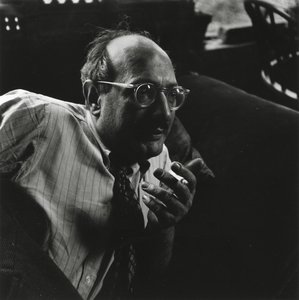
مارك روثكو
1903 - 1970 , لاتفيا
لمحة سريعة
- الأعمال البارزة:
- رقم 10 (1950)
- لوحات سيغرام
- كنيسة روثكو
- المركز الأبيض
- الاسم الكامل: مارك روثكو
- الجنسية: أمريكي
- الحركات المتأثرة:
- التعبيرية التجريدية
- فن الحقول اللونية
- الحد الأدنى
- الحركة الفنية: التعبيرية التجريدية
- تاريخ الميلاد: 25 سبتمبر 1903
- مكان الولادة: داوغافبيلس، لاتفيا
مقالات ذات صلة

أعمال مارك روثكو الخالدة: 25 تحفة فنية تعبّر عن الروح والجمال
اكتشف 25 تحفة فنية لمارك روثكو، رائد التعبيرية المجردة. استكشف قصص لوحاته الزيتية الملونة وتأثيرها العميق على عالم الفن والديكور. احصل على نسخ عالية الجودة من أعمال روثكو الأصلية و أضف لمسة فنية راقية لمنزلك مع AllPaintingsStore.com.

أعلى 10 روائع تحدد الرمزية التعبيرية: رحلة في الفن الراقي و لوحات مميزة
اكتشف روائع الرمزية التعبيرية! استكشف 10 لوحات أيقونية مع جاكسون بولوك ومارك روثكو. قصص فنانين، تقنيات فريدة، وأعمال خالدة. احصل على لوحات مميزة لديكور منزلك الفاخر. تسوق الآن على AllPaintingsStore.com!
Kandinsky's Masterpieces: 25 Paintings That Define Abstract Art | AllPaintingsStore
Journey through Wassily Kandinsky's 25 most iconic abstract paintings. Explore his revolutionary use of color, form & spiritual expressionism. Find museum-quality Kandinsky reproductions and elevate your home decor with AllPaintingsStore.com. Discover all masterpieces on AllPaintingsStore.com!

The Sublimity of Color: Exploring the Emotional Landscapes of Mark Rothko's Abstract Expressionism
Explore the profound emotional depth of Mark Rothko's abstract expressionism. Discover the history, techniques & lasting impact of this pivotal Color Field painter. Expert insights for collectors and art enthusiasts.

Color Field Painting: The Emotional Power of Pure Abstraction and Chromatic Depth
Explore the profound emotional depth of Color Field painting. Discover the history of mid-century abstraction, from Rothko to Newman, and learn how pure color transforms the viewer's experience through our expert art history guide.


