أنطوان واتو (1684–1721) is the most famous Rococo رسام, best known for الرقصة الريفية و جين-أنتوان واتو
1717
الإنزال إلى سيثيرا: تحفة من أناقة الروكوكو
"الإنزال إلى سيثيرا" لجين-أنتوان واتو مثال نموذجي على أسلوب الروكوكو، حيث يلتقط روح المرح والرومانسية في القرن الثامن عشر الفرنسي. تدعو هذه اللوحة الساحرة، التي تم إنشاؤها عام 1717، المشاه. Then إليزابيث لويز فيغ لوبرون, جوفاني أنطونيو كانال, جيوفاني باتيستا تيبولو و فرانسوا بوشيه. The list covers 100 رسامون born between 1645 and 1818 in 20 countries, from جان فرانسوا دي تروي to إدوارد أونوريه أف.
ACompiled by AllPaintingsStore.com
Method. Scope: artists filed under Rococo in our catalogue. Order: our artist fame ranking. Excluded: artists born after 1955 without a Wikidata identifier. Wikipedia figure: languages with an article, out of our 32.
Le Père de famille expliquant la Bible à ses enfants (1755): حجر الزاوية في نجاحه المبكر، يجسد المثل العليا للتنوير لتقوى الأسرة. La Jeune Fille qui pleure son oiseau mort (حوالي 1765): يوضح إتقان جريز للتعبير العاطفي ورواية القصص المؤثرة. Savoyard with a Dancing Doll (حوالي 1763): يلتقط روح وضعف الطفولة، ويعرض مهارته في التصوير.
He found a counterpoint in the work of Salvator Rosa, whose dramatic landscapes and depictions of shipwrecks introduced an element of danger and emotional intensity that Lorrain lacked.
"الأشكال الرمزية للفضيلة" – تُظهر قدرة المصنع على تجسيد المفاهيم المعقدة في قالب نحتي، مستعرضةً تفاصيل دقيقة ورؤية فنية رفيعة. "الفهد المستلقي" – يمثل مزيجاً بارعاً بين الواقعية والأناقة، مما يعكس تفاني مايسن في تصوير الحيوانات بدقة مذهلة ورشاقة فائقة.
He then traveled to Bologna and subsequently Rome, working in the workshop of the renowned Carlo Maratta. Religious Commissions: He received numerous commissions for religious paintings, including works for churches such as I Gesuiti and San Zaccaria in Venice, and Sant'Ignazio in Bologna.
Swedish-Germanb. Stockholm CityRococo, PortraitureWikipedia 9/32
His early works, heavily influenced by his uncle Meytens and the French masters, exhibited a meticulous attention to detail and a restrained elegance. Other notable works include portraits of members of the Elector’s family, such as The Countess Holstein (Lenbachhaus, Munich) and The Princess Portia (Staatsgalerie, Stuttgart).
In pieces such as " Fantaisie architecturale," the viewer is invited to wander through spaces where neoclassical elegance meets the untamed beauty of nature.
Longhi specialized in portraiture, particularly depictions of Venetian nobles and prominent figures. Portrait of Carlo Lodoli (1760): This Baroque-style portrait showcases Venetian realism and attention to detail, depicting a monk engaged in study.
Italianb. Castellammare di StabiaRococoWikipedia 11/32
Born in 1707 in Castellammare di Stabia, Bonito emerged from a period of profound artistic transition, where the dramatic weight of the Baroque was beginning to soften into the playful elegance of the Rococo.
Born in 1699, Nogari emerged during a transformative era when the heavy, dramatic shadows of the Baroque were beginning to yield to the light, airy grace of the Rococo. This lineage, combined with the delicate pastel sensibilities of Rosalba Carriera and the sophisticated elegance of Jacopo Amigoni, allowed him to weave together a style that was simultaneously much more grounded than the typical Rococo flourish and yet exquisitely refined.
أيرلنديb. دبلنمناظر باربيزون الطبيعية وتصوير البورتريه الروكوكوWikipedia 4/32
"السيدة الموقرة كرزون" (1778): تبرز هذه اللوحة المصغرة مهارة ناثانيل هون الأكبر الاستثنائية في التقاط تفاصيل تعبيرات الوجه وحركات الجسيد الدقيقة، وهي السمة المميزة لفن البورتريه في عصر الروكوكو. وتساهم لوحة ألوان الباستيل في إضفاء جو من النبل والرقي، مما يعكس الأعراف الاجتماعية لتلك الحقبة.
Jean Raoux, born in Montpellier, France in 1677, emerged as a captivating figure within the French artistic landscape of the early 18th century. L'indiscrète (1728): A captivating depiction of a young woman caught in a private moment, revealing a sense of curiosity and vulnerability.
Within the luminous and often overwhelming splendor of eighteenth-century Venice, the name Francesco Zugno emerges as a vital, if somewhat enigmatic, thread in the tapestry of the Rococo era. His early years were shaped by the prestigious traditions of his ancestors, including the fifteenth-century painter Giambattista Zugno, and he received formal training at the Academy of Painting and Sculpture of Venice.
Among his most celebrated commissions were portraits of Jean-Paul Marat—a revolutionary icon—and Charles Eugène Gabriel de la Croix, Marquis de Castries—a military leader who played a crucial role in restoring the monarchy.
Recognizing his son's prodigious talent early on, Jean secured him an apprenticeship with Antoine Goujon, a sculptor renowned for his monumental works at Versailles—a connection that would prove invaluable to Watteau’s artistic development.
The influence of earlier Dutch masters is subtly present in Buys's work, particularly in his meticulous attention to detail and the use of light and shadow reminiscent of the Golden Age painters.
Michael’s Episcopal Church (1756), a testament to his craftsmanship and artistic vision; the weather vane for Charleston’s City Hall; and contributions towards the construction of St.
Born in Copenhagen, Denmark, he began his artistic journey under the guidance of the portrait painter Johann Salomon Wahl. Although he achieved significant recognition, his path was not without its hurdles; notably, despite winning a gold medal at the Royal Danish Academy of Fine Arts in 1755, he was denied formal entry into the institution itself.
He dies in 1778, leaving behind a body of work that remains housed in the collections of the Staatliches Museum Schwerin, the Gemäldegalerie Berlin, and The Metropolitan Museum of Art.


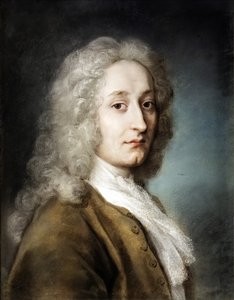
 الرقصة الريفية
 جين-أنتوان واتو
1717
الإنزال إلى سيثيرا: تحفة من أناقة الروكوكو
"الإنزال إلى سيثيرا" لجين-أنتوان واتو مثال نموذجي على أسلوب الروكوكو، حيث يلتقط روح المرح والرومانسية في القرن الثامن عشر الفرنسي. تدعو هذه اللوحة الساحرة، التي تم إنشاؤها عام 1717، المشاه
 رحلة إلى كيثيرا