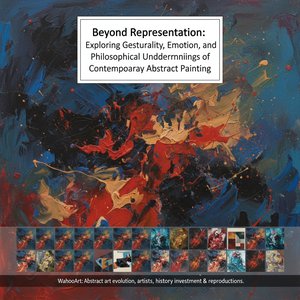
Acrylic On Canvas.

§ 1Katalogová data

Toto umělecké dílo je chráněno autorským právem
Umělecké dílo zobrazené na této stránce je chráněno autorským zákonem, což znamená, že nemůžeme legálně vytvářet ani prodávat jeho identickou reprodukci. Tato ochrana je vymáhána na základě mezinárodních dohod, jako například Berberská úmluva a národními zákony, včetně těch stanovených v Americký autorský zákon – Díl 17. Všechna práva vyhrazena.
Jako etická a právní alternativa nabízíme vlastní, ručně malovaná umělecká díla inspirovaná originálem. Naši zdatní a profesionální umělci si pečlivě studují styl, náladu a uměleckou podstatu originálu, aby vytvořili nové, jedinečné dílo, které vyvolává stejný pocit – přičemž zůstává samostatným originálním tvůrčím dílem.
Tato metoda je plně v souladu s autorským právem, protože nezahrnuje kopírování ani duplikování chráněného díla. Jde o kreativní reinterpretaci – nový obraz, který je inspirován originálem, ale není s ním identický.
 Více informací
§ 2Abstraktní
Popis sbírného předmětu
Biografie umělce
Pionýr pop artu známý ikonickými obrazy vlajek. Objevte symbolický svět Jasper Johns ještě dnes.
§ 3Komentář
Jasper Johns’ “Watchman”: A Quiet Revolution in Abstract Minimalism
Jasper Johns' "Watchman," created in 1967, stands as a cornerstone of American art during the mid-century shift from Expressionism to Pop Art. More than just a depiction of a simple chair arrangement—inverted upon another—the painting embodies a profound exploration of perception and repetition, reflecting the anxieties and aspirations of its time while simultaneously establishing a new visual language rooted in everyday objects. This seemingly unassuming piece speaks volumes about Johns’ artistic vision and his contribution to redefining what constituted meaningful art.The Anatomy of Repetition: Form and Technique
At first glance, “Watchman” appears strikingly minimalist. Johns employs graphite wash, metallic pigment, pencil, and pastel on paper—techniques borrowed from both Abstract Expressionism and Surrealist experimentation—to achieve a deceptively serene surface. The meticulous layering of pigments creates subtle tonal variations that draw the eye inward, inviting contemplation. However, beneath this calm exterior lies a complex interplay of repetition. Two chairs are positioned in an inverted configuration, mirroring each other precisely. This deliberate duplication isn’t merely decorative; it serves as a visual anchor, grounding the composition and emphasizing the importance of form itself. Johns' masterful control over texture and color contributes to the painting's understated elegance and reinforces its conceptual core.A Reflection of Existential Uncertainty
The artwork emerged during a period marked by significant social upheaval—the Vietnam War protests, civil rights struggles, and burgeoning countercultural movements—creating an atmosphere of palpable anxiety and questioning established norms. Johns’ choice of subject matter – the commonplace chair – deliberately disrupts expectations, mirroring the broader cultural preoccupation with confronting familiar realities in new ways. The inverted chairs can be interpreted as representing instability and disorientation, reflecting the anxieties inherent in navigating a rapidly changing world. Yet, simultaneously, they convey a sense of quiet resilience—a steadfastness amidst uncertainty—mirroring Johns’ own artistic determination to forge a path distinct from prevailing trends.Symbolism Beyond the Literal
While seemingly devoid of overt narrative content, “Watchman” is laden with symbolic significance. The chair itself has been associated with notions of domesticity and stability – concepts deliberately undermined by its inverted position. This gesture speaks to Johns’ broader interest in exploring psychological states and challenging conventional artistic representations. Furthermore, the repetition of the chair reinforces the idea that seemingly insignificant details can hold profound meaning. It's a subtle reminder that beauty and contemplation can be found even within the simplest forms, urging viewers to consider the deeper implications of visual perception.A Legacy of Minimalism and Conceptual Art
“Watchman” solidified Johns’ position as a pioneer of Minimalist art and profoundly influenced subsequent generations of artists. Its influence extends beyond its formal qualities—the careful consideration of texture and color—to its conceptual underpinning: prioritizing form over content and inviting viewers to engage in active interpretation. As evidenced by the insightful research links provided, “Watchman” continues to resonate with audiences today, demonstrating the enduring power of art to provoke thought and inspire emotion. Its quiet contemplation serves as a testament to Johns’ genius and his contribution to shaping the trajectory of modern artistic expression.Otázky a odpovědi
Který prostor nejlépe ladí s barvami díla „Watchman“ od Jasper Johns?
Barvy v paletě Earthy díla „Watchman“ od Jasper Johns ladí s doporučeným prostorem: Living Room.
Která barva v díle "Watchman" nejvíce vyniká?
Barvou, která v díle „Watchman“ nejvíce vyniká, je Driftwood (#bb9861). Dominantní barva je užitečná při sladění uměleckého díla s interiérem.
K kterému uměleckému směru patří „Watchman“ od Jasper Johns?
„Watchman“ je dílo z období Abstract Expressionism. Tento směr představuje uměleckou tradici, jejíž je dílo součástí.



 Přepnout na tisk


 U děl nebo reprodukcí, u nichž je jakákoliv strana větší než 105 cm (přibližně 41 palců), bude rám dodán jako sestava v rozloženém stavu. Tato metoda zajišťuje bezpečné doručení a chrání dílo před poškozením během přepravy.