


 Zobrazit v interiéru
 Odeslat
 Sdílet
 Podrobnosti
 Průvodce

 Stáhnout obrázek
 Podobné kousky
 Rentgenové snímky
 Slideshow
 Statistiky
Easter and the Totem
 Oil On Canvas
- WallArt
- Abstract Expressionism
 1953
1953- Modern
 84.0 x 58.0 cm
 Přečíst si více
Giclée / Umělecký tisk
Giclée nebo plátěný tisk muzeální kvality s rychlou výrobou a širokou nabídkou povrchových úprav. ( Objednat ručně malovanou reprodukci Přepnout na digitální verzi obrazu)




P118B Kč10

P118H Kč10

P118W Kč10

P438Z Kč10

P508JH Kč12

P508YH Kč12

P805H Kč10

P805Z Kč10

P919BZ Kč10

P919G Kč10

P919XJ Kč10

P959ZH Kč10

P968JZ Kč12

W106C Kč8

W218G Kč10

W218JH Kč8

W218Y Kč10

W307PJ Kč10

W316G Kč10

W316PJ Kč8

W316Y Kč10

W398PJ Kč8

W4111J Kč10

W500HY Kč15

W500JH Kč15

W692G Kč12

W849H Kč8

W940BG Kč15

W953PJ Kč8




Vyberte si z našich přednastavených velikostí, které odpovídají původním proporcím díla.

Zadejte šířku a výšku, které potřebujete pro váš rám nebo stěnu. Tisk lze pouze oříznout, nikdy však nelze zvětšit obraz nad jeho původní rozměr, proto při výběru jiného formátu dochází ke ztrátě části obrazu. Před samotným tiskem vám zašleme digitální náhled k schválení. Obraz zobrazený na této stránce nenabízí skutečný výřez — ten uvidíte pouze v náhledu.
Celosvětové doručení () do 2 týdnů namísto standardních 4/5 týdnů. (23 říjen)

Zdarma celosvětová expresní doprava

Vysoce kvalitní lněné plátno

Úplné pojištění přepravy

Záruka vrácení celního poplatku

Záruka věrného barevného shodu

100dení lhůta pro vrácení zboží (pouze při vadách výroby)

100% garance vrácení peněz

Sleva při více objednávkách
 Skleněná varianta je dostupná pouze u rozměrů menších než 110 cm

Easter and the Totem
Giclée / Umělecký tisk
Velikost reprodukce
-


Celková cena
Kč 1373
Unveiling Jackson Pollock’s “Easter and the Totem”
- A Masterpiece of Abstract Expressionism: Jackson Pollock's 1953 painting, Easter and the Totem, stands as a pivotal work within the Abstract Expressionist movement. Measuring 84 x 58 cm and executed in oil on canvas, it’s not merely a visual experience but an exploration of form, symbolism, and the artist's inner world. This piece exemplifies Pollock’s revolutionary approach to painting, moving beyond traditional representation towards a more visceral and emotionally charged expression.
- Deconstructing the Composition: At first glance, Easter and the Totem appears as a dynamic interplay of color and shape – seemingly chaotic. However, closer inspection reveals a carefully constructed composition featuring at least six abstracted human figures interwoven with everyday objects: bowls, cups, a vase, and a bottle. These elements aren’t simply placed; they interact, creating a sense of movement and suggesting narratives within the abstract field. The arrangement isn't random; it hints at ritualistic gatherings or domestic scenes viewed through a fractured lens.
The Technique: Drip Painting and Action Painting
- Pollock’s Innovative Method: This painting is a prime example of Pollock's signature “drip” technique, also known as action painting. He laid the canvas flat on the floor and dripped, splashed, and poured paint onto it, eschewing traditional brushes in favor of sticks, knives, and even hardened paint. This method allowed for spontaneity and an all-over composition, where no single area dominates. The physicality of this process is crucial; Pollock didn’t just *paint* the canvas, he *engaged* with it, imbuing the work with his energy and emotion.
- Beyond Technique: A Philosophical Statement: Pollock believed that art should be an expression of the subconscious. The drip technique facilitated this by minimizing conscious control, allowing for a more direct translation of inner impulses onto the canvas. This wasn’t about depicting reality; it was about expressing the act of creation itself.
Historical Context and Symbolic Resonance
- A Post-War Reflection: Created in 1953, Easter and the Totem reflects the anxieties and uncertainties of the post-World War II era. The fragmented figures and ambiguous forms can be interpreted as a response to the trauma and disillusionment of the time. Abstract Expressionism, as a whole, emerged as a way to grapple with these complex emotions.
- The Title’s Significance: The title itself is intriguing. “Easter” suggests themes of rebirth and renewal, while "Totem" evokes ancient cultures and spiritual beliefs. This juxtaposition hints at Pollock's interest in mythology, symbolism, and the search for meaning in a rapidly changing world. The combination invites viewers to contemplate the relationship between personal experience and universal archetypes.
- Influence and Legacy: Pollock’s work profoundly impacted subsequent generations of artists. His exploration of abstraction and his emphasis on process paved the way for new artistic approaches, influencing figures like Roberto Matta and continuing to resonate in contemporary art today. The painting remains a powerful testament to the transformative potential of abstract expressionism.
Otázky a odpovědi
Jaká je doporučená velikost tisku pro dílo „Easter and the Totem“ od Jackson Pollock?
Pro dílo „Easter and the Totem“ od Jackson Pollock se doporučuje reprodukce ve velikosti Medium. Velikost lze upravit při zachování původních proporcí.
Proč je „Easter and the Totem“ od Jackson Pollock doporučován jako dárek?
Mysterious nádech díla „Easter and the Totem“ od Jackson Pollock odpovídá i jeho doporučenému příležitosti k darování: Anniversary.
V jakém roce byl vytvořen "Easter and the Totem"?
Dílo "Easter and the Totem" pochází z roku 1953. Toto datum situuje dílo do období tvůrčí činnosti Jackson Pollock i do jeho dobové kontextu.
Související díla


Biografie umělce
Early Life and the Seeds of Innovation
Paul Jackson Pollock, born in Cody, Wyoming, in 1912, was a restless spirit from the outset. His early life was marked by frequent relocation as his father, LeRoy Pollock, pursued work as a land surveyor across the vast landscapes of the American West. This itinerant existence instilled in young Pollock a deep connection to the natural world and an exposure to diverse cultures, particularly through encounters with Native American art during those surveying trips – impressions that would subtly permeate his artistic vision later in life. Though he never explicitly imitated Indigenous styles, the raw energy and spiritual resonance of these early experiences undoubtedly left their mark. Pollock’s formal artistic training began at the Manual Arts High School in Los Angeles, followed by studies at the Art Students League of New York under the tutelage of Thomas Hart Benton. Benton, a prominent figure in the Regionalist movement, emphasized rhythmic composition and narrative themes rooted in American life. While Pollock initially absorbed these lessons, his inherent inclination leaned toward more abstract explorations. He was also profoundly impacted by Mexican muralists like José Clemente Orozco, whose powerful depictions of social struggle resonated deeply with him. These early influences laid a foundation, but it was the burgeoning world of Surrealism that truly unlocked Pollock’s artistic potential.The Birth of Action Painting and a Revolutionary Technique
The 1930s saw Pollock experimenting with various techniques, seeking alternatives to traditional brushwork. He began pouring paint, exploring its fluidity and unpredictable nature. However, it was around 1947 that his artistic trajectory underwent a radical transformation. Abandoning the easel altogether, Pollock laid canvases directly on the floor, initiating what would become known as his “drip technique.” He then proceeded to drip, splash, and fling paint onto the canvas from above, orchestrating a dynamic dance between artist, medium, and surface. This wasn’t merely about applying paint; it was about embodying the act of creation itself. Pollock's canvases became arenas for physical expression, capturing the immediacy of his gestures and emotions. The resulting paintings are characterized by their “all-over” composition – a lack of central focus that invites the viewer to explore the entire surface as a unified field of energy. Intricate networks of lines and colors intertwine, creating a visual complexity that is both captivating and challenging. He employed unconventional tools—sticks, knives, even syringes—to manipulate the paint in unpredictable ways, further emphasizing the spontaneous nature of his process.- The technique involved covering the entire canvas with layers of thinned paint.
- He used sticks, knives, and other implements to drip and fling paint onto the surface.
- This method allowed him to work from all angles, creating a dynamic and immersive experience.
Influence and Early Style
Pollock’s early artistic development was significantly shaped by several key influences. The stark landscapes of the American West, coupled with his exposure to Native American art during surveying trips, instilled in him a deep appreciation for raw energy and primal forms. He also drew inspiration from European modernists like Pablo Picasso and André Masson, whose explorations of abstraction and subconscious imagery resonated with his own artistic sensibilities. His time at the Art Students League under Thomas Hart Benton exposed him to Regionalist painting, which emphasized narrative themes rooted in American life – a style he initially embraced before ultimately forging his own unique path. Key Influences:- Thomas Hart Benton (Regionalism)
- José Clemente Orozco (Mexican Muralism)
- Pablo Picasso & André Masson (Surrealism and Abstraction)
The Rise of Action Painting and Recognition
By the mid-1940s, Pollock’s innovative techniques and increasingly bold compositions began to attract attention within the New York art scene. His work was exhibited at galleries like Peggy Guggenheim's Art of This Century, where it initially faced mixed reactions – some critics dismissed his approach as chaotic or lacking skill, while others recognized its groundbreaking potential. However, the momentum continued to build, fueled by the growing interest in Abstract Expressionism, a movement that sought to capture the essence of human experience through non-representational imagery and spontaneous gesture. The term “action painting” emerged to describe Pollock’s method – emphasizing the physical act of creation as central to the artistic process.Iconic Works and Lasting Legacy
Pollock's most celebrated works—such as Number 1, 1950 (Lavender Mist), One: Number 31, 1950, Blue Poles: Number 11, 1952, and *Convergence*—are testaments to his revolutionary technique. These paintings are not simply images; they are records of a performance, imbued with the artist’s physical presence and emotional intensity. The dynamic energy that emanates from these canvases is palpable, drawing viewers into a world of pure abstraction. Notable Works:- Number 1, 1950 (Lavender Mist)
- One: Number 31, 1950
- Blue Poles: Number 11, 1952
- *Convergence*

Jackson Pollock
1912 - 1956 , Spojené státy americké
Rychlé informace
- Artistic Movement Or Style: Abstraktní expresionismus
- Artists Or Movements Influenced By This Artist: ['Surrealismus']
- Artists Who Influenced This Artist: ['Thomas Hart Benton']
- Date Of Birth: 28. ledna 1912
- Date Of Death: 11. srpna 1956
- Full Name: Paul Jackson Pollock
- Nationality: Američan
- Notable Artworks:
- Number 1, 1950
- Blue Poles
- Convergence
- Place Of Birth: Cody, Wyoming
Související články
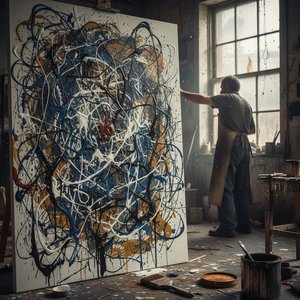
Paul Jackson Pollock: A Radical Departure – Exploring Abstract Expressionism's Pioneering Figure and His Enduring Legacy
Explore the revolutionary art of Jackson Pollock & Abstract Expressionism. Discover his iconic drip paintings, lasting impact, and considerations for collecting this pivotal American artist. Expert insights at AllPaintingsStore.
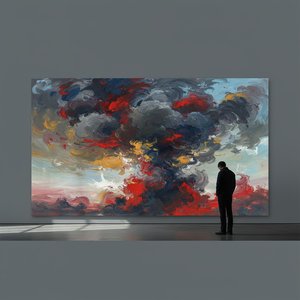
Beyond Representation: Exploring the Emotional Landscape of Abstract Expressionism
Explore the profound emotional world of Abstract Expressionism with AllPaintingsStore. Discover key artists like Pollock & Rothko, learn about collecting, and find museum-quality reproductions to inspire your space.

Beyond Representation: Emotional Depth & Formal Innovation in Abstract Expressionism
Explore the profound emotional depth & formal innovation of Abstract Expressionism. Discover key artists, collecting insights, and investment potential with expert guidance. Learn more now.

Top 10 mistrovských děl abstraktního expresionismu | Umění a dekorace s AllPaintingsStore.com
Prozkoumejte 10 ikonických děl abstraktního expresionismu od Pollocka, Rothka a dalších. Objevte příběhy za obrazy, techniky a barevné palety tohoto revolučního uměleckého hnutí. Reprodukce obrazů s AllPaintingsStore.com – luxusní dekorace pro váš interiér. Prozkoumejte celou kolekci online!

Jacob Kainen: A Pioneer of American Color Field Painting & Abstract Expressionism
Explore the life & work of Jacob Kainen, a pivotal figure in American Abstract Expressionism and Color Field painting. Discover his journey from Social Realism to vibrant abstraction and lasting influence on 20th-century art.


