Zobrazit v interiéru
 Odeslat
 Sdílet
 Podrobnosti
 Průvodce

 Stáhnout obrázek
 Podobné kousky
 Rentgenové snímky
 Slideshow
 Statistiky
St Michael and the Satan


 Přečíst si více
Giclée / Umělecký tisk
Giclée nebo plátěný tisk muzeální kvality s rychlou výrobou a širokou nabídkou povrchových úprav. ( Objednat ručně malovanou reprodukci Přepnout na digitální verzi obrazu)




P118B Kč10

P118H Kč10

P118W Kč10

P438Z Kč10

P508JH Kč12

P508YH Kč12

P805H Kč10

P805Z Kč10

P919BZ Kč10

P919G Kč10

P919XJ Kč10

P959ZH Kč10

P968JZ Kč12

W106C Kč8

W218G Kč10

W218JH Kč8

W218Y Kč10

W307PJ Kč10

W316G Kč10

W316PJ Kč8

W316Y Kč10

W398PJ Kč8

W4111J Kč10

W500HY Kč15

W500JH Kč15

W692G Kč12

W849H Kč8

W940BG Kč15

W953PJ Kč8




Vyberte si z našich přednastavených velikostí, které odpovídají původním proporcím díla.

Zadejte šířku a výšku, které potřebujete pro váš rám nebo stěnu. Tisk lze pouze oříznout, nikdy však nelze zvětšit obraz nad jeho původní rozměr, proto při výběru jiného formátu dochází ke ztrátě části obrazu. Před samotným tiskem vám zašleme digitální náhled k schválení. Obraz zobrazený na této stránce nenabízí skutečný výřez — ten uvidíte pouze v náhledu.
Celosvětové doručení () do 2 týdnů namísto standardních 4/5 týdnů. (23 říjen)

Zdarma celosvětová expresní doprava

Vysoce kvalitní lněné plátno

Úplné pojištění přepravy

Záruka vrácení celního poplatku

Záruka věrného barevného shodu

100dení lhůta pro vrácení zboží (pouze při vadách výroby)

100% garance vrácení peněz

Sleva při více objednávkách
 Skleněná varianta je dostupná pouze u rozměrů menších než 110 cm

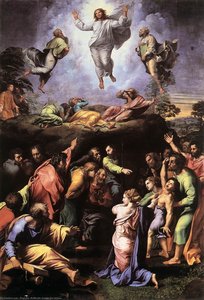
St Michael and the Satan
Giclée / Umělecký tisk
Velikost reprodukce
-


Celková cena
Kč 1373
A Celestial Triumph: The Divine Drama of Raphael’s St. Michael
In the hallowed halls of the Louvre, there exists a masterpiece that captures the very essence of cosmic conflict. Raphael’s St. Michael and the Satan is not merely a painting; it is a breathtaking theater of the soul, where the boundaries between heaven and earth dissolve into a singular moment of divine justice. As the eye meets the canvas, one is immediately struck by the profound tension held within the composition. The archangel Michael, a figure of celestial grace and unyielding strength, stands poised above his fallen adversary. This is the definitive depiction of the archetypal battle between good and evil, a visual symphony where the triumph of faith over temptation is rendered with such visceral intensity that the viewer becomes a witness to the eternal struggle for righteousness.
The artistry on display exemplifies the pinnacle of the High Renaissance, yet it whispers of the dramatic, muscular energy that would soon define the Mannerist movement. Raphael, a master of harmony, utilizes a pyramidal composition to anchor the chaos, directing the viewer's gaze upward toward the triumphant archangel. The anatomy of the figures is rendered with a sculptural precision reminiscent of Michelangelo, yet Raphael infuses the scene with a unique, fluid elegance. Every muscle in Michael’s form and every twisted limb of the defeated Satan contributes to a sense of movement captured at a standstill—a breathless pause in the midst of an epic upheaval.
Luminous Technique and the Alchemy of Color
To behold this work is to experience the transformative power of light and pigment. Executed with exceptional technical mastery, the painting utilizes oil glazes to achieve a luminous depth that seems to glow from within. Raphael’s palette in this period was particularly daring; he moves away from his more tranquil tones to embrace a rich, dramatic spectrum of warm golds, deep reds, and earthy browns. These colors do more than just decorate the scene—they breathe life into it. The metallic sheen of the light reflecting off celestial armor and the dark, brooding shadows cast over the demonic form create a chiaroscuro effect that heightens the emotional stakes of the encounter.
The texture of the work invites close contemplation, as visible brushwork adds a layer of vitality to the landscape and the figures alike. There is an alchemy at play here, where the blending of pigments creates a sense of atmosphere so thick one can almost feel the stormy sky pressing down upon the rocky terrain. For the collector or the interior designer, such a piece offers more than just visual interest; it provides a focal point of immense gravity and sophistication. A high-quality reproduction of this masterpiece brings with it a sense of historical weight and an unparalleled ability to command the atmosphere of any curated space.
Symbolism and the Eternal Legacy
Beyond its aesthetic splendor, St. Michael and the Satan serves as a profound theological allegory. Commissioned during the height of papal influence, likely for Pope Leo X, the painting functions as a symbol of divine authority and the inevitable victory of the light. Every element is heavy with meaning: the spear held by the archangel represents the piercing truth of faith, while the subjugated Satan embodies the chaos of sin. The composition serves as a reminder that even in the darkest moments of human experience, there is an underlying order and a divine protection that remains unshakable.
For those seeking to adorn their homes or galleries with art that inspires reflection and awe, this work stands as a testament to the enduring power of the Renaissance spirit. It is a piece that speaks to the resilience of the human spirit and the eternal hope for triumph over adversity. Whether viewed as a historical relic of the Vatican’s golden age or as a breathtaking display of technical virtuosity, Raphael’s vision continues to captivate, offering a window into a realm where beauty and divinity are inextricably linked.
Otázky a odpovědi
Kde si mohu prohlédnout náhled díla "St Michael and the Satan"?
Chcete-li si prohlédnout náhled reprodukce díla „St Michael and the Satan“ od Rafael, otevřete stránku Náhled tohoto díla.
Jakou techniku a datum vzniku má dílo „St Michael and the Satan“ od Rafael?
Dílo "St Michael and the Satan" vzniklo v roce 1518 za použití techniky Oil On Canvas.
V jaké technice je vytvořeno dílo „St Michael and the Satan“ od Rafael?
„St Michael and the Satan“ je vytvořeno v technice Oil On Canvas.
Související díla


Biografie umělce
Zrození a formování umělce v Urbinu
Raffaello Sanzio da Urbino, světu známý jako Rafael, povstal z pozoruhodně úrodné kulturní krajiny. Narodil se roku 1483 v hradbách Urbinu, malého, ale intelektuálně živého městského státu ve střední Itálii. Jeho raná léta byla ponořena do atmosféry, která cenila jak uměleckou zručnost, tak humanistické učení. Jeho otec, Giovanni Santi, nebyl pouhým malířem zaměstnaným vévodou Federicem da Montefeltrem – byl to muž hluboce zapojený do proudů renesanční myšlenky, básník, který zaznamenával život vévody a aktivně vyhledával inovativní umělecké nápady z celé Itálie i za jejími hranicemi. Toto ponoření do dvorského prostředí, které si cenilo rafinovanost a intelektuální diskusi, hluboce formovalo citlivost mladého Raffaela. Ztráta otce v jedenácti letech na něj vrhla odpovědnost, ale také mu poskytla příležitost zdokonalit své dovednosti v rodinné dílně, absorbovat techniky a tradice pod vedením místních umělců. Již v těchto raných pracích se začaly objevovat jemná elegance a pečlivá pozornost k detailu – znaky jeho zralého stylu.
Cesta z Umbrie do Florencie: Pohlcování nových vlivů
Rafaelova umělecká cesta byla cestou neustálého vývoje, poznamenanou obdobími intenzivního studia a asimilace. Jeho počáteční vzdělávání pod Pietrem Peruginem v Perugii položilo pevný základ v umbrijském stylu – charakterizovaném jemným modelováním, harmonickými kompozicemi a klidnými náboženskými scénami. Rafael však vlastnil nenasytnou zvědavost, která ho poháněla k hledání nových výzev a rozšiřování jeho uměleckých obzorů. V roce 1504 cestoval do Florencie, města tehdy pulzující energií umělecké inovace. Zde se setkal s mistrovskými díly Leonarda da Vinciho a Michelangela, umělců posouvajících hranice malby nebývalými způsoby. Pečlivě studoval jejich techniky – Leonardovo sfumato, jeho subtilní gradace světla a stínu, a Michelangeloovu silnou anatomickou přesnost a dramatické kompozice. Toto florentské období bylo pro Raffaela zkouškou ohněm, nutilo ho konfrontovat nové umělecké možnosti a syntetizovat je do své vlastní jedinečné vize. Vliv je patrný ve zvýšené dynamice a psychologické hloubce jeho prací z této doby, zejména v jeho sérii Madon.
Římský triumf: Zakázky a mistrovská díla
V roce 1508 obdržel Rafael svolání, které změní běh jeho kariéry – pozvání od papeže Julia II. k příchodu do Říma. To znamenalo začátek jeho nejplodnějšího a nejslavnějšího období. Věčné město mu nabídlo bezkonkurenční příležitost předvést svůj talent v grandiózním měřítku, zdobit papežské apartmány ve Vatikánu dechberoucími freskami. Školní akademie v Athénách, pravděpodobně jeho nejznámější dílo, je svědectvím o jeho mistrovství kompozice, perspektivy a filozofické alegorie. V tomto majestátním prostoru Rafael shromáždil postavy z klasické starověku – Platóna, Aristotela, Pythagora, Euklida – a vytvořil živý tableau oslavující lidský rozum a snahu o poznání. Pokračoval v práci pro následující papeže, včetně Lva X., podstupoval monumentální projekty jako výzdoba Stanze della Segnatura a Stanza d'Eliodoro. Jeho fresky v těchto pokojích nejsou pouhou dekorací; jsou hlubokými prohlášeními o papežské moci, náboženském přesvědčení a ideálech renesance.
Syntéza elegance a velikosti: Rafaelův umělecký styl
Rafaelův umělecký styl je často popisován jako harmonická směs elegance, jasnosti a idealizované krásy. Vlastnil mimořádnou schopnost syntetizovat rozmanité vlivy – umbrijskou tradici, florentské inovace, klasickou starověk – do jedinečně vyvážené estetiky. Jeho kompozice jsou pečlivě plánovány a vykazují smysl pro řád a proporci, který odráží jeho hluboké porozumění renesančním principům. Jeho postavy vyzařují klidnou důstojnost a emocionální expresivitu, ztělesňující humanistický ideál lidské dokonalosti. Byl také mistrem koloristou, využívajícím bohaté, zářivé odstíny k vytváření děl, která jsou vizuálně podmanivá i intelektuálně stimulující. Na rozdíl od Michelangeloova často dramatického a turbulentního stylu vyzařuje Rafaelova práce pocit klidu a harmonie – kvalita, která si získala obdiv publika po staletí.
Dědictví a trvalý vliv
Rafaelova předčasná smrt v roce 1520 ve věku třiceti sedmi let přerušila kariéru plnou potenciálu. Jeho odkaz však přetrvává jako jedna z nejvýznamnějších postav v západní historii umění. Jeho dílo se stalo základním kamenem estetiky vysoké renesance a sloužilo jako model pro generace umělců. I když by Michelangeloův vliv později dominoval uměleckému diskurzu, Rafaelův důraz na jasnost, harmonii a idealizovanou krásu zažil obrození během neoklasického období, podporovaný kritiky jako Johann Joachim Winckelmann. Dnes jeho obrazy nadále inspirují úžas a obdiv, okouzluje diváky svým technickým brilantností, emocionální hloubkou a trvalým odvoláním. Jeho vliv je vidět v nesčetných uměleckých dílech, která následovala, upevňujíc jeho postavení jako pravého mistra renesance – malíře, který zachytil nejen fyzickou podobu svých subjektů, ale také samotnou podstatu lidské elegance a důstojnosti.
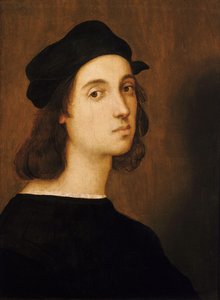
Rafael
1483 - 1520 , Itálie
Rychlé informace
- Artistic Movement Or Style: Vysoká renesance
- Artists Or Movements Influenced By This Artist: ['Neoklasicismus']
- Artists Who Influenced This Artist:
- Leonardo da Vinci
- Michelangelo
- Date Of Birth: 1483
- Date Of Death: 1520
- Full Name: Raffaello Sanzio
- Nationality: Italská
- Notable Artworks:
- Školní škola v Athénách
- Sixtinská madona
- Place Of Birth (City And Country): Urbino, Itálie
Související články
Rafael: 25 mistrovských děl renesance pro váš domov | AllPaintingsStore.cz
Objevte 25 ikonických děl Raffaela – od Sixtinské madony po Atény školu. Ponořte se do světa renesance a obdivujte mistrovské obrazy online. Reprodukce obrazů nejvyšší kvality pro váš interiér na AllPaintingsStore.cz.

The Dramatic Flourish: Exploring Themes of Power, Faith & Emotion in Baroque Artworks
Explore the dramatic world of Baroque art! Discover masters like Zurbarán & the powerful influence of religious zeal on painting techniques. Expert insights for collectors and enthusiasts.

Barokní mistrovská díla: 10 obrazů, které definovaly umělecký styl | AllPaintingsStore.cz
Objevte 10 ikonických děl barokního umění – od Caravaggia po Rembrandta. Ponořte se do příběhů mistrů, technik a emocí tohoto velkolepého období. Reprodukce obrazů nejvyšší kvality na AllPaintingsStore.com! Prozkoumejte celou kolekci online.

The Visceral Stage: Exploring Dramatic Narratives & Emotional Intensity in Baroque Art
Explore the dramatic world of Baroque art! Discover iconic masters like Caravaggio & Rembrandt, their techniques, and the movement's lasting impact. Expert insights for collectors & enthusiasts at AllPaintingsStore.

The Dramatic Flourish: Exploring the Baroque Movement's Enduring Legacy in Art History
Explore the dramatic world of Baroque art! Discover iconic artists like Caravaggio & Rubens, defining techniques, and its lasting impact on art history. Expert insights for collectors & enthusiasts at AllPaintingsStore.