


 Se i fuld skala
 Del
Del Del
Del
 Detaljer

 Download
 Lignende værker
 Røntgenundersøgelse
 Diasshow
Interior with Figures

 Se mere
Håndlavet oliereproduktion
Håndmalet olie på lærred i din valgte størrelse og ramme, udført efter bestilling af vores kunstnere. ( Køb print Køb billede)




































Vælg mellem vores forudindstillede størrelser, der matcher kunstværkets originale proportioner.

Du kan indtaste dine egne mål for at passe til en bestemt ramme eller plads. Hvis den valgte størrelse ikke stemmer overens med det originale billedes proportioner, vil vi enten beskære kunstværket eller udvide maleriet med yderligere håndmalede elementer. En digital skitse sendes til din godkendelse, før produktionen påbegyndes.
Bemærk venligst, at forhåndsvisningen på skærmen ikke afspejler den faktiske beskæring eller udvidelse. Kun skitsen vil nøjagtigt vise den endelige komposition.
Selvom specialmål er mulige, anbefaler vi at vælge en dimension fra den foruddefinerede liste for at bevare de originale proportioner.
Efter bestilling vil AllPaintingsStore.com team sende en e-mail til kunden for at få instruktioner og levere et udkast til en skitse.
Levering i hele verden () på 3/4 uger i stedet for de standard 5 uger. (25 august). Ingen kompromiser med kvaliteten.

Gratis ekspresforsendelse til hele verden

Lærred af linned i høj kvalitet

Fuld transportforsikring

Garanti for refusion af told og importafgifter

Garanti for præcis farvegengivelse

60 dages returret (kun ved fabrikationsfejl)

100% Tilfredshedsgaranti

Mængderabat tilgængelig
 Glasmulighed er kun tilgængelig i størrelser under 110 cm

Interior with Figures
Reproduktionsmetode
Størrelse på reproduktion
-


Samlet pris
$ 258
Lignende kunstværker


Kunstnerens biografi
The Enigmatic Brush of Abraham Diepraam
In the vibrant, bustling landscape of the Dutch Golden Age, where names like Rembrandt and Hals cast long, luminous shadows, there existed a quieter, more intimate form of storytelling. Abraham Diepraam (1622–1670) was a master of these smaller, more personal narratives. While history often favors the grand, sweeping dramas of history painting, Diepraam found his soul in the humble corners of seventeenth-century Holland—the dimly lit taverns, the rhythmic toil of marketplaces, and the unvarnished reality of peasant life. His work serves as a poignant window into the everyday existence of a nation finding its identity through trade, domesticity, and communal interaction.
Born in Dordrecht around 1622, Diepraam’s artistic journey began not with grand canvases, but with the delicate precision of craftsmanship. His early training was rooted in the meticulous traditions of glass painting under the tutelage of Dirk Stoop’s father. This foundational exposure to light and transparency likely informed his later ability to manipulate atmosphere within interior scenes. As he matured, he sought more formal instruction, becoming a pupil of Hendrik Martenszoont Sorgh. From Sorgh, Diepraam inherited a profound command of chiaroscuro, learning how the dramatic interplay of deep shadow and piercing light could breathe life into a static scene and imbue ordinary subjects with a sense of weight and importance.
A Journey Through Style and Influence
Diepraam’s artistic evolution was significantly shaped by his travels and his encounters with the titans of his era. A transformative journey through France in the mid-1640s expanded his visual vocabulary, exposing him to the sophisticated compositional nuances of Parisian ateliers. However, it was upon his return to the Netherlands that his stylistic identity truly crystallized. He became a dedicated student of Adriaen Brouwer, an artist whose raw realism and spontaneous brushwork would become the guiding light for Diepraam’s entire career. By adopting Brouwer’s approach, Diepraam moved away from rigid formality toward a more visceral, energetic depiction of human emotion and social chaos.
This influence is most palpable in his celebrated genre scenes. Diepraam possessed a unique talent for capturing the "unpolished" moments of life—the boisterous laughter in a crowded inn or the weary stillness of a rural laborer. His work often reflects a certain spontaneity, a quality that some contemporary critics, most notably the biographer Arnold Houbraken, viewed with skepticism. Houbraken famously critiqued Diepraam’s later brushwork as "loose lines without connection," even suggesting a lack of technical discipline. Yet, modern eyes often see something much more profound in these disconnected strokes: a precursor to the expressive freedom that would later define much of modern art, capturing the fleeting, kinetic energy of a world in motion.
Legacy and the Human Element
Despite the economic downturns that plagued the latter part of his life and the somewhat colorful, perhaps exaggerated, tales of his personal struggles, Diepraam’s contribution to Dutch art remains significant. He was an artist who lived close to his subjects; there are even accounts of him selling his small-scale works informally within the very taverns he depicted. This intimate connection between the creator and the subject matter lends an unparalleled authenticity to his oeuvre. His paintings are not merely observations from a distance but are deeply embedded in the social fabric of his time.
The historical significance of Abraham Diepraam lies in his ability to elevate the mundane to the level of art. Through his mastery of light, his adoption of Brouwerian realism, and his unwavering focus on the common man, he helped define the Dutch Genre tradition. His legacy is found in the textures of a worn wooden table, the glint of a glass of ale, and the quiet dignity of the working class—reminding us that the most profound truths are often found in the smallest, most overlooked corners of our existence.

Abraham Diepraam
1622 - 1670
Kort om kunstneren
- Artistic Movement Or Style: Genre Painting
- Artists Or Movements Influenced By This Artist: ['Frans Hals']
- Artists Who Influenced This Artist: ['Hendrik Martenszoon Sorgh']
- Date Of Death: 1670
- Full Name: Abraham Diepraam
- Nationality: Dutch
- Notable Artworks: ['Interior with Figures']
- Place Of Birth: Netherlands
Relaterede artikler

Golden Light & Dutch Skies: The Timeless Magic of Dutch Golden Age Landscapes
Discover the breathtaking beauty of Dutch Golden Age landscapes. Explore the mastery of light, chiaroscuro, and 17th-century realism through an expert art history lens, celebrating the enduring legacy of the Dutch Masters for discerning collectors and art lovers.
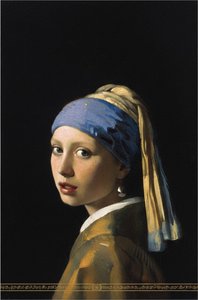
Hollandske Mestre: Top 10 Værker fra Guldalderen – Kunst til Dit Hjem
Oplev de 10 mest ikoniske værker fra den hollandske guldalder! Rembrandt, Vermeer og andre mestre afsløres. Find inspiration til dit hjem & køb museumskvalitets kunsttryk på AllPaintingsStore.com.

Mastering Light & Shadow: A Journey Through the Dutch Golden Age's Luminous Legacy
Embark on a cultural journey through the Dutch Golden Age. Explore the masterful interplay of light and shadow in 17th-century masterpieces, from Rembrandt to Vermeer, and discover how this era of profound realism continues to inspire fine art collectors today.

Chiaroscuro and Character: A Masterclass in Light and Shadow within Dutch Golden Age Painting
Explore the profound mastery of light and shadow in Dutch Golden Age painting. From chiaroscuro to atmospheric landscapes, discover the techniques that defined an era and learn how to bring these timeless masterpieces into your home through museum-quality oil reproductions.

Pieter de Hooch: Illuminating Dutch Domestic Life & Golden Age Charm
Explore the captivating world of Pieter de Hooch, a master of Dutch Golden Age painting. Discover his innovative use of light, intimate domestic scenes, and lasting influence on art history. Learn more at AllPaintingsStore.


