


 Se i rummet
 Del som kort
 Del
Del
 Detaljer
 Guide
Guide

 Download
 Lignende værker
 Røntgenundersøgelse
 Diasshow
 Spørgsmål og svar
 Statistikker
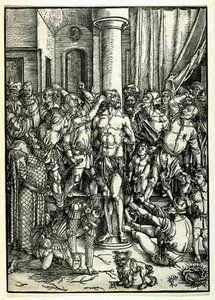
Flagellation


 Vis mere
Giclée / Kunsttryk
Giclée- eller lærredstryk i museumskvalitet med hurtig produktion og fleksible muligheder for finish. ( Køb håndmalet maleri Skift til digitalt billede)




P118B Dkr10

P118H Dkr10

P118W Dkr10

P438Z Dkr10

P508JH Dkr12

P508YH Dkr12

P805H Dkr10

P805Z Dkr10

P919BZ Dkr10

P919G Dkr10

P919XJ Dkr10

P959ZH Dkr10

P968JZ Dkr12

W106C Dkr8

W218G Dkr10

W218JH Dkr8

W218Y Dkr10

W307PJ Dkr10

W316G Dkr10

W316PJ Dkr8

W316Y Dkr10

W398PJ Dkr8

W4111J Dkr10

W500HY Dkr15

W500JH Dkr15

W692G Dkr12

W849H Dkr8

W940BG Dkr15

W953PJ Dkr8




Vælg mellem vores forudindstillede størrelser, der matcher kunstværkets originale proportioner.

Indtast den bredde og højde, du har brug for, så det passer til din ramme eller din væg. Et print kan kun beskæres, aldrig gøres større end selve billedet, så en størrelse med et andet format vil medføre, at dele af motivet går tabt. Vi sender dig en digital mockup til godkendelse, før vi printer noget. Billedet vist på denne side viser ikke den faktiske beskæring — det er kun mockuppen, der gør.
Verdensomspændende levering () på 2 uger i stedet for de sædvanlige 4/5 uger. (10 november)

Gratis ekspresforsendelse til hele verden

Lærred af linned i høj kvalitet

Fuld transportforsikring

Garanti for refusion af told og importafgifter

Garanti for præcis farvegengivelse

100 dages returret ved fabrikationsfejl

100% fuld returret

Mængderabat ved flere køb
 Glasmulighed er kun tilgængelig i størrelser under 110 cm

Flagellation
Giclée / Kunsttryk
Størrelse på reproduktion
-


Samlet pris
Dkr 435
Identification of the Flagellation by Albrecht Dürer
The woodcut Flagellation by Albrecht Dürer captures a moment of profound torment. This Northern Renaissance work presents a scene of intense suffering within a structured architectural setting. The lines of the woodblock define the heavy geometry of columns and arches, framing the chaos of the figures caught in the act of violence. It is a study of tension held within a monochromatic world.
Albrecht Dürer utilized the precision of the woodcut to translate religious agony into a visual language of stark contrasts. The composition draws the eye toward the central struggle, where the physical reality of pain meets the rigid order of the portico. Every stroke of the tool contributes to the weight of the scene, turning a biblical event into a visceral encounter with human suffering. The shadows fall deep across the contorted limbs of the subjects.
This specific print belongs to a period of intense technical development for the artist. It remains a significant example of the Northern Renaissance style, where meticulous detail meets emotional gravity. The work exists as a quiet, heavy presence on the page.
Composition and Visual Elements
The scene unfolds within the cold, rigid geometry of an architectural portico. Figures are crowded into this space, packed tightly together in a chaotic arrangement that creates a sense of claustrophobia. Bodies overlap and twist, caught in a moment of intense torment. This density pushes the viewer toward the center of the violence, where human degradation is rendered through contorted limbs and pained expressions. The perspective feels somewhat flattened, a two-dimensional arrangement that emphasizes the weight of the suffering rather than the depth of the room.
Light and shadow act as the primary architects of this tension. The lighting is uneven, casting heavy, dark shadows that carve out the contours of the suffering subjects. These shadows cling to the folds of fabric and the hollows of skin, heightening the visceral impact of the execution. A grayscale palette governs the entire work, stripping away the distraction of color to focus on the stark contrast between light and dark. The absence of hue leaves only the raw reality of the scene: the pale skin of the victims against the dark, unyielding stone of the columns.
Technique and Artistic Style
The composition relies on a rigorous, linear precision. Sharp lines define the rigid geometry of the arches and the heavy columns of the portico, creating a structural skeleton for the chaos. These lines trace the outlines of the figures, carving their contorted limbs out of the shadows. The style draws heavily from the traditions of Renaissance painting, seeking to organize space through a controlled, mathematical logic. Every architectural element is rendered with a clarity that anchors the scene in a cold, unyielding reality.
Meticulous brushwork and shading build the weight of the subjects. Through subtle variations in tone, the artist simulates the tactile reality of skin, heavy fabric, and weathered stone. This technique creates a palpable sense of volume, turning flat shapes into three-dimensional forms that occupy the space with physical presence. The interplay of light and dark emphasizes the dramatic contours of the bodies, making the physical agony feel immediate. It is a study of texture achieved through the disciplined application of shade.
Related Works by Albrecht Dürer
The shadow of the scourging follows the artist through various iterations of sacred suffering. In the woodcut known as The Large Passion: 3. Flagellation of Christ, dated 1497, the narrative takes shape through the stark, rhythmic lines of the woodblock. This work shares a lineage with the Flagellation of Christ from the same year, where the brutality of the scene is captured through the precise, unyielding geometry of the German Renaissance. These early explorations of the Passion establish a visual language of tension and religious weight.
Later, the artist turned to the sharp bite of the metal burin. The 1512 engraving, Flagellation (No. 6), held at the University Art Museum, Princeton, utilizes dense hatching and cross-hatching to define the musculature of the torment and the heavy folds of drapery. It is a study in monochromatic depth, where light and shadow define the very anatomy of pain. The precision of the line creates a tactile reality, turning the copper plate into a landscape of human endurance.
Other works from his prolific output include:
The weight of the woodcut and the precision of the engraving remain linked by a singular, driving focus on the physical reality of the divine. Each stroke of the tool seeks to map the intersection of the spiritual and the visceral. The ink settles into the paper, quiet and still.
Spørgsmål og svar
Hvilken fase af Albrecht Dürers kunstneriske udvikling repræsenterer "Flagellation"?
"Flagellation" repræsenterer Albrecht Dürers Mature Period.
Hvad forestiller "Flagellation", og hvilken stemning formidler den?
"Flagellation" af Albrecht Dürer forener religious suffering, torture, medieval art, durer’s work, pain, sacrifice, human degradation, renaissance drama med en Dramatic atmosfære.
Hvilken teknik og stil er "Flagellation" udført i?
I "Flagellation" forenes Woodcut-teknikken med Northern Renaissance-bevægelsen.
Lignende kunstværker




Kunstnerbiografi
Albrecht Dürer: En Renæssancens Mester
Albrecht Dürer, et navn der er synonymt med den tyske renæssance, opstod fra den pulserende håndværbsby Nürnberg i 1471. Hans far, Albrecht Dürer den Ældre, var en succesfuld guldsmed, der havde immigreret fra Ungarn og medbragt en linje af håndværksfærdigheder. Det var i dette miljø – duften af metal og præcisionens omhyggelige arbejde – at unge Albrecht’s kunstneriske tilbøjelser først fik fodfæste. Selvom hans far forestillede sig en lignende vej for ham, ansatte han ham oprindeligt i familiens handel, men det blev hurtigt tydeligt, at Albrecht besad en exceptionel talent for tegning. Ved blot 13-års alderen overgik han til Michael Wolgemut’s værksted, Nürnberg’s førende kunstner på det tidspunkt. Dette var ikke blot en teknisk uddannelse; det var en indvielse i en verden af illuminerede manuskripter, malede paneler og – vigtigst af alt – den voksende kunst af træsnit. Wolgemut’s værksted’s enorme produktion, herunder de omfattende illustrationer til *Nuremberg Chronicle*, gav Dürer et uvurderligt fundament i design, komposition og mekanikken bag billeddannelse. Et bemærkelsesværdigt sølvtægning fra 1484, skabt da han kun var knap 13 år gammel, står som overbevisende bevis på hans præcocious talent – et vidnesbyrd om en spirende kunstnerisk identitet, der allerede begyndte at tage form.Den Italienske Indflydelse og Kunstnerisk Modning
Dürer’s ambition udvidede sig langt ud over Nürnberg’s grænser. Drevet af en uudholdelig nysgerrighed og et ønske om at mestre kunsten at male, iværksatte han sin første rejse til Italien i 1494. Dette var ikke blot en sightseeingtur; det var en pilgrimsfærd til hjertet af renæssancen. Han stødte på mesteresker fra Raphael, Giovanni Bellini og Leonardo da Vinci – kunstnere, der omskrev mulighederne for form, perspektiv og menneskelig udtryksevne. Denne eksponering havde en dybtgående indvirkning. Dürer absorberede de klassiske motiver, harmoniske kompositioner og den subtile *sfumato*-teknik, der kendetegnede italiensk kunst, men forlod sin nordlige europæiske sans for præcision og symbolsk dybde. En anden rejse til Italien mellem 1505 og 1507 forstærkede disse indflydelser yderligere, hvilket tillod ham at studere de gamle romerske ruiner og finpudse sin forståelse af anatomi og proportioner. Denne syntese af nordlig præcision og italiensk elegance blev Dürer’s unikke kunstneriske stilens kendetegn.Mestring af Medierne: Maleri, Gravering og Træsnit
Dürer var en mester i flere medier, hver især tilbyder ham forskellige kreative veje. Hans malerier, omend færre i antal end hans tryk, demonstrerer en bemærkelsesværdig kommando over oliemaleri og en evne til at indfange både fysisk lighed og psykologisk dybde. Værker som *Feast of the Rose Garlands* afslører en livlig palet påvirket af venetiansk farvebrug. Men det var i trykkunsten – især gravering og træsnit – at Dürer virkelig revolutionerede kunstnerisk praksis. Han hævede disse teknikker fra blot reproduktive metoder til uafhængige kunstformer, der kunne formidle komplekse fortællinger og dybe følelser. *Apocalypse*-serien (1498), en samling af fjorten træsnit, der illustrerer Profeten Johannes’ Bog, viste hans mesterskab i denne medium trods dets iboende begrænsninger. Senere graverier som *Melencolia I* (1514) og *Saint Jerome in His Study* (1514) er vidnesbyrd om hans upåtrotelige færdigheder – intrikate kompositioner fyldt med symbolsk betydning og udført med betagende præcision. Han portrætterede ikke blot virkeligheden; han indgydede den med lag af intellektuel og åndelig betydning.En Teoretiker og Innovator: Dürers Eftermæle
Dürer var ikke blot en kunstner; han var en teoretiker, en innovatør, der søgte at forstå de underliggende principper, der styrer kunstnerisk skabelse. Han mente, at matematikken lå til grund for kunsten, og dedikerede sig til at etablere en videnskabelig tilgang til repræsentation. Hans afhandlinger om geometri, proportioner og menneskekroppens anatomi – især *Four Books on Human Proportions* (1528) – var banebrydende for deres tid, demonstrerende hans engagement i streng observation og rationel analyse. Disse skrifter var ikke blot akademiske øvelser; de havde til hensigt at hæve kunstnerens status fra blot håndværkere til intellektuelle praktikanter. Dürer’s eftermæle strækker sig langt ud over hans individuelle værker. Han brolagde mellem nordeuropæiske traditioner og italienske renæssanceidealer, introducerede klassiske motiver i nordisk kunst, mens han bevarede dets distinkte karakter. Hans teoretiske bidrag hjalp til at etablere en ny ramme for kunstnerisk praksis, der inspirerede generationer af kunstnere med hans tekniske dygtighed, innovative ånd og dybe vision. Han står i dag som en af de vigtigste figurer i vestlig kunsthistorie.Indflydelser og Varig Indvirkning
- Michael Wolgemut: Dürer’s indledende mentor, der leverede grundlæggende færdigheder inden for tegning, maleri og træsnit.
- Leonardo da Vinci: Inspirerede Dürers udforskning af anatomi, perspektiv og *sfumato* – den subtile blanding af nuancer.
- Raphael: Påvirkede Dürer’s harmoniske kompositioner og idealiserede former.
- Giovanni Bellini: Bidrog til Dürer’s forståelse af farver og venetianske malerteknikker.
Dürer’s indflydelse resonerer gennem århundredernes kunsthistorie. Hans præcise realisme, hans innovative brug af trykkunst og hans teoretiske skrifter inspirerer stadig kunstnere og forskere i dag.

Albrecht Dürer
1471 - 1528 , Tyskland
Kort om kunstneren
- Artistic Movement Or Style: Tysk Renæssance
- Artists Or Movements Influenced By This Artist: ['Nordeuropæisk Renæssance']
- Artists Who Influenced This Artist:
- Michael Wolgemut
- Leonardo da Vinci
- Raphael
- Date Of Birth: 21. maj 1471
- Date Of Death: 6. apr. 1528
- Full Name: Albrecht Dürer
- Nationality: Tysk
- Notable Artworks:
- Melencolia I
- Apokalypse
- Selvportrætter
- Place Of Birth: Nürnberg, Tyskland
Relaterede artikler

Tidløse Raderinger: 10 Mesterværker der Forandrede Kunsten – Find Inspiration til Dit Hjem
Oplev 10 legendariske raderinger af Dürer, Rembrandt & Goya! Fordyb dig i kunsthistorien og lær om teknikken bag disse ikoniske værker. Find inspiration til din indretning med museumskvalitets reproduktioner på AllPaintingsStore.com.

British Museums 25 Mesterværker: Kunsthistorie til Dit Hjem | AllPaintingsStore.dk
Oplev British Museums 25 mest ikoniske kunstværker! Fra egyptiske skatte til Rembrandts mesterværker – lær historierne bag tidløs kunst. Find museumskvalitets reproduktioner & inspiration til dit hjem på AllPaintingsStore.com

Albrecht Dürer: A Renaissance Master's Legacy of Innovation and Self-Portraiture
Explore the life & art of Albrecht Dürer, a pivotal German Renaissance master. Discover his groundbreaking printmaking techniques, iconic self-portraits, and lasting influence on Western art history. A deep dive into innovation & symbolism.

German Renaissance Unlocked: The Bold Precision and Iconic Mastery of Albrecht Dürer Reimagined
Discover the bold precision of the German Renaissance. Explore the legendary mastery of Albrecht Dürer through expert art history insights and premium, hand-painted reproductions designed to bring iconic Northern Renaissance detail into your modern collection.
Albrecht Dürers 25 Mesterværker: Kunst, Historie og Inspiration til Dit Hjem
Oplev Albrecht Dürers 25 mest ikoniske værker – fra detaljerede træsnit til fængslende selvportrætter. Fordyb dig i renæssancekunstens historie og find inspiration til dit hjem med AllPaintingsStore.coms eksklusive reproduktioner. Udforsk samlingen online!


