


 Se i rummet
 Send
Send Del
Del
 Detaljer
 Studieguide til kunstværker

 Download
 Lignende værker
 Røntgenundersøgelse
 Se diasshow
 Statistik
Self-Portrait


 Læs mere
Håndlavet oliereproduktion
Håndmalet olie på lærred i din valgte størrelse og ramme, udført efter bestilling af vores kunstnere. ( Skift til printversion Skift til digitalt billede)




P118B Dkr10

P118H Dkr10

P118W Dkr10

P438Z Dkr10

P508JH Dkr12

P508YH Dkr12

P805H Dkr10

P805Z Dkr10

P919BZ Dkr10

P919G Dkr10

P919XJ Dkr10

P959ZH Dkr10

P968JZ Dkr12

W106C Dkr8

W218G Dkr10

W218JH Dkr8

W218Y Dkr10

W307PJ Dkr10

W316G Dkr10

W316PJ Dkr8

W316Y Dkr10

W398PJ Dkr8

W4111J Dkr10

W500HY Dkr15

W500JH Dkr15

W692G Dkr12

W849H Dkr8

W940BG Dkr15

W953PJ Dkr8




Vælg mellem vores forudindstillede størrelser, der matcher kunstværkets originale proportioner.

Indtast den bredde og højde, du har brug for, så det passer til din ramme eller din væg. Da dette er håndmalet, kan kunstneren ved en anden form på størrelsen male lidt mere rundt om billedet eller skære lidt væk — det er op til dig. Vi sender dig et digitalt mockup til godkendelse, før maleriet påbegyndes. Billedet, der vises på denne side, viser ikke det endelige resultat — det er kun mockuppet, der gør.
Efter bestilling vil AllPaintingsStore.com team sende en e-mail til kunden for at indhente instruktioner og fremsende et udkast til gennemgang.
Levering i hele verden () på 3-4 uger i stedet for de standard 5 uger. (25 oktober). Ingen kompromiser med kvaliteten.

Gratis ekspresforsendelse til hele verden

Lærred af linned i høj kvalitet

Komplet transportforsikring

Garanti for refusion af told og importafgifter

Garanti for autentisk farvegengivelse

100 dages returret ved fabrikationsfejl

100% fuld returret

Mængderabat ved flere køb
 Glasmulighed er kun tilgængelig i størrelser under 110 cm

Self-Portrait
Reproduktionsmateriale
Reproduktionsstørrelse
-


Samlet pris
Dkr 1692
A Glimpse into the Artist's Soul
In this evocative Self-Portrait, dated around 1745, the master of Dutch Rococo, Cornelis Troost, invites us into a private, lived-in moment that transcends the mere recording of a face. The scene unfolds within an intimate interior, where the boundaries between the artist's physical reality and his creative psyche seem to blur. We find the subject seated amidst a carefully composed domestic landscape, holding a brush and a bowl—tools that serve as both humble implements of his craft and symbols of his lifelong dedication to the visual arts. The presence of a secondary figure, partially obscured in the background, adds a layer of narrative mystery, suggesting that while the act of painting is solitary, the artist exists within a wider, breathing social fabric.
The composition is a masterclass in spatial arrangement and depth. Through the strategic placement of chairs, a dining table, and delicate vases, Troost creates a sense of three-dimensional reality that draws the viewer into the room. The light plays across the surfaces of the furniture and the textures of the fabrics, highlighting the meticulous attention to detail that defined his era. This is not merely a portrait; it is an architectural study of a moment in time, where every object—from the painting hanging on the wall to the subtle shadows cast by the chairs—contributes to a sense of quiet, contemplative grandeur.
The Elegance of Dutch Rococo Technique
Technically, this work exemplifies the refined elegance of the 18th-century Dutch style. Troost utilizes a palette that balances warmth with sophisticated tonal shifts, allowing the textures of wood, ceramic, and cloth to emerge with palpable realism. His brushwork, while precise enough to capture the fine details of the room's decor, possesses a fluid grace that prevents the scene from feeling static. There is a rhythmic quality to the way he directs the eye across the canvas, moving from the central figure toward the periphery where the vases and background elements reside.
For the discerning collector or interior designer, this piece offers an unparalleled opportunity to introduce a sense of historical prestige and intellectual depth into a space. The painting functions as a focal point that commands attention through its narrative complexity rather than through sheer scale. It embodies a sophisticated aesthetic that complements both classical settings and contemporary, minimalist interiors, providing a "window" into the Golden Age's twilight—a period marked by a transition from the heavy drama of the Baroque to the light, airy, and decorative sensibilities of the Rococo.
Symbolism and Emotional Resonance
Beyond its visual splendor, the Self-Portrait carries profound emotional weight. There is an inherent vulnerability in Troost's depiction of himself; by showing himself amidst the tools of his trade, he strips away the persona of the celebrated professional to reveal the laborer behind the art. The bowl and brush are emblems of the creative process—the nourishment required for the mind and the instrument required for the hand. This creates a deeply relatable connection with the viewer, evoking themes of identity, purpose, and the quiet dignity of craftsmanship.
To possess a reproduction of this work is to bring more than just decor into a home; it is to invite a conversation about the nature of creativity itself. The painting serves as an enduring reminder of the beauty found in the mundane and the profound depth that can be discovered through careful observation. It is a piece designed for those who appreciate art that tells a story, offering a timeless elegance that enriches any collection with its soulful, historical resonance.
Spørgsmål & svar
Kan jeg bruge augmented reality til at se "Self-Portrait" af Cornelis Troost i mit eget rum?
"Self-Portrait" af Cornelis Troost kan ses på din egen væg via kunstværkets AR-forhåndsvisning-side ved hjælp af augmented reality på en kompatibel enhed.
Hvilken atmosfære ville en reproduktion af "Self-Portrait" af Cornelis Troost tilføre et rum?
"Self-Portrait" af Cornelis Troost har en Classic atmosfære og anbefales til et Living Room. Stemningen er det, som værket bringer til de omkringliggende omgivelser.
Hvilken farve træder mest frem i "Self-Portrait"?
Den dominerende farve i "Self-Portrait" af Cornelis Troost er Espresso (#50463d).
Lignende kunstværker


Om kunstneren
Et vindue til Amsterdams guldalder
Cornelis Troost, et navn uadskilleligt forbundet med det livlige væv af 1700-tallets Amsterdam, var mere end blot en kunstner; han var en skarp observatør og en mesterlig nedtegnelse af sin æra. Født i hjertet af Den Hollandske Republik den 8. oktober 1696 i Amsterdam, afslører Troosts rejse fra aspirant-skuespiller til berømt maler en fascinerende sammenfletning af kunstneriske passioner og personlig forvandling. Oprindeligt uddannet som performer på scenen, fandt han sit sande kald ikke midt i applaus og drama, men inden for maleriets omhyggende detaljer og subtile nuancer. Hans livsforløb er præget af et bevidst skift – en bevidst afvisning af rampelyset til fordel for den stille kontemplation over penselstrøgene, hvilket i sidste ende førte ham til at blive en af de mest betydningsfulde skikkelser inden for hollandsk rokoko-genremaleri.
Troosts kunstneriske uddannelse begyndte under vejledningen af Arnold Boonen, en respekteret portrætmaler, der genkendte sin elevs medfødte talent. Dette læretid gav et afgørende fundament, men det var Troosts tidlige tegninger, der for alvor fremviste hans særprægede stil – især et værk fra 1708, der skildrer Fyrst Eugen af Savoyen og den berygtede boghandler og spion, Louis Renard, i hemmelige aktiviteter i et luksuriøst Amsterdam-bordel. Dette værk, der emmer af kløgt og intriger, antydede de temaer, han senere ville udforske med så fængslende dygtighed: det sociale livs kompleksitet, lystens fristelse og de skjulte strømninger under overfladen af respektabilitet.
Rokokoens elegance og den sociale fortælling
Som hans karriere modnedes, blev Troost en mester i at indfange den delikate balance mellem frivolitet og sofistikering. Hans arbejde var uden tvivl påvirket af tidens herskende kunstneriske tendenser, herunder de dramatiske kompositioner fra William Hogarth, kendt for sine satiriske skildringer af det Londonske samfund, samt den elegante ynde fra franske mestre som Watteau, Boucher og Lancret. Denne syntese af hollandsk realisme og fransk rokoko-elegance gjorde det muligt for ham at skabe værker, der var både dybt forankret i den lokale virkelighed og eksquisit raffinerede.
Hans repertoire var bemærkelsesværdigt mangfoldigt og strakte sig fra intime portrætter til monumentale gruppekompositioner. Nogle af hans mest vedvarende bidrag til kunstverdenen inkluderer:
- Portræt af inspektørerne fra Collegium Medicum (1724): Et storslået rokoko-oliemalerie, der fremviser højdepunktet af hollandsk kunstfærdighed og institutionel elegance i det 18. århundrede.
- Portræt af Maria Magdalena Stavenisse (ca. 1726): Et barokmesterværk, der benytter raffinerede detaljer til at fremvise aristokratisk velstand og status.
- Regenter af Aalmoezeniersweeshuis børnehjem (1729): Et monumentalt gruppebillede, der fungerer som et vindue ind i Amsterdams sociale strukturer ved at bruge dramatisk lyssætning og en overdådig kulisse til at formidle en følelse af borgerlig betydning.
En mesterobservatørs eftermæle
Betydningen af Cornelis Troost ligger i hans evne til at fungere som en visuel historiker for en brydningstid. Selvom æraen med de store mestre fra den hollandske guldalder var passeret, pustede Troost nyt liv i den hollandske tradition ved at infundere den med den letsindede og dekorative charme fra rokoko-bevægelsen. Hans malerier skildrer ikke blot ansigter; de indfanger en tidsånd – raslen af silke, flakkende stearinlys og de subtile sociale hierarkier i Amsterdams overklasse.
Gennem sine vittige portrætter og fængslende genrescener efterlod Troost en arv, der fortsat betager beskuerne. Han forbliver en central skikkelse, der byggede bro mellem det tunge, dramatiske tradition fra det 17. århundrede og den luftige, yndefulde æstetik i det 18. århundrede, hvilket sikrede, at de sociale nuancer i hans elskede Amsterdam ville blive bevaret i pigment for kommende generationer.

Cornelis Troost
1696 - 1750 , Holland
Hurtige fakta
- Artistic Movement Or Style: Rokoko genrescener
- Artists Or Movements Influenced By This Artist: ['Sara Troost']
- Artists Who Influenced This Artist:
- William Hogarth
- Watteau
- Boucher
- Lancret
- Date Of Birth: 8. oktober 1696
- Date Of Death: 7. marts 1750
- Full Name: Cornelis Troost
- Nationality: Hollandsk
- Notable Artworks:
- NELRI-serien
- Jeronimus Tonneman
- Inspektører fra Collegium
- Place Of Birth: Amsterdam, Holland
Relaterede artikler
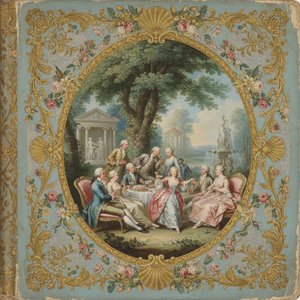
The Rococo Style: Aristocratic Leisure & the Pursuit of Delight in 18th-Century Art
Explore the opulent world of Rococo art! Discover Watteau, Boucher & Nattier's masterpieces. Expert insights for collectors seeking museum-quality reproductions and custom portraits at AllPaintingsStore.
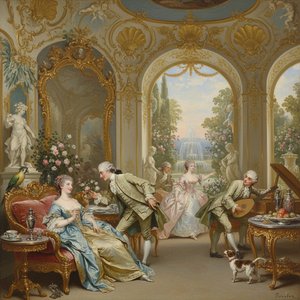
The Rococo Aesthetic: Opulence, Rebellion & the Pursuit of Pleasure in 18th-Century Art
Explore the opulent world of Rococo art! Discover its origins, key artists like Watteau & Boucher, and lasting influence on design. Expert insights for collectors & enthusiasts.

Rokokomaleriet: Top 10 Mesterværker der Definerede Epoken | AllPaintingsStore.dk
Oplev Rokoko kunstens pragt! Dyk ned i 10 mesterværker fra Boucher, Watteau og Fragonard. Historier, teknikker & inspiration til dit hjem. Find museumskvalitets reproduktioner på AllPaintingsStore.com

Intimate Interiors: Domestic Life & Artistic Representation from Renaissance to Impressionism
Explore the evolution of domestic life in Western art from the Renaissance to Impressionism. Discover symbolism, realism & artistic techniques shaping intimate interior scenes. Learn more with AllPaintingsStore.

Cornelis Springer: A Dutch Master of Cityscapes & Intimate Reflections
Explore the captivating world of Cornelis Springer (1817-1891), a Dutch master renowned for his detailed cityscapes and atmospheric paintings. Discover his life, style & available artworks at AllPaintingsStore.

