


 Se i rummet
 Send
Send Del
Del
 Detaljer
 Studieguide til kunstværker

 Download
 Lignende værker
 Røntgenundersøgelse
 Se diasshow
 Statistik
Acrobats and clowns
 Oil On Canvas
- WallArt
- Cubist Expression
 1950
1950- Modern
 42.0 x 32.0 cm
 Læs mere
Giclée / Kunsttryk
Giclée- eller lærredstryk i museumskvalitet med hurtig produktion og fleksible muligheder for finish. ( Bestil håndmalet reproduktion Skift til digitalt billede)




P118B Dkr10

P118H Dkr10

P118W Dkr10

P438Z Dkr10

P508JH Dkr12

P508YH Dkr12

P805H Dkr10

P805Z Dkr10

P919BZ Dkr10

P919G Dkr10

P919XJ Dkr10

P959ZH Dkr10

P968JZ Dkr12

W106C Dkr8

W218G Dkr10

W218JH Dkr8

W218Y Dkr10

W307PJ Dkr10

W316G Dkr10

W316PJ Dkr8

W316Y Dkr10

W398PJ Dkr8

W4111J Dkr10

W500HY Dkr15

W500JH Dkr15

W692G Dkr12

W849H Dkr8

W940BG Dkr15

W953PJ Dkr8




Vælg mellem vores forudindstillede størrelser, der matcher kunstværkets originale proportioner.

Indtast den bredde og højde, du har brug for, så det passer til din ramme eller din væg. Et print kan kun beskæres, aldrig gøres større end billedet, så en størrelse med en anden form vil miste en del af motivet. Vi sender dig en digital mockup til godkendelse, før vi printer noget. Billedet vist på denne side viser ikke den faktiske beskæring — det er kun mockuppen, der gør.
Verdensomspændende levering () på 2 uger i stedet for de sædvanlige 4/5 uger. (25 oktober)

Gratis ekspresforsendelse til hele verden

Lærred af linned i høj kvalitet

Komplet transportforsikring

Garanti for refusion af told og importafgifter

Garanti for autentisk farvegengivelse

100 dages returret ved fabrikationsfejl

100% fuld returret

Mængderabat ved flere køb
 Glasmulighed er kun tilgængelig i størrelser under 110 cm

Acrobats and clowns
Giclée / Kunsttryk
Reproduktionsstørrelse
-


Samlet pris
Dkr 426
A Symphony of Motion and Color
In the vibrant tapestry of twentieth-century modernism, few works capture the electric pulse of life quite like Fernand Léger’s “Acrobats and Clowns.” Painted in 1950, this masterpiece serves as a breathtaking celebration of movement, where the whimsical spectacle of the circus meets the structured precision of the machine age. As one gazes upon the canvas, the eye is immediately swept into a rhythmic dance of figures—performers caught in mid-motion, their bodies intertwined with the energy of musical instruments and the joyful chaos of a performance in full swing. It is not merely a depiction of a circus; it is an exploration of how vitality can be distilled into pure, geometric essence.
Léger, a visionary who found beauty in the industrial rhythms of his era, utilizes a visual language that bridges the gap between the organic and the mechanical. The composition is anchored by a striking palette of primary blues and sun-drenched yellows, colors that do more than decorate the surface—they breathe life into the scene. Through the clever use of circles, squares, and triangles, Léger constructs his subjects with a structural integrity that mirrors the strength of modern machinery, yet he imbues them with a soul that is undeniably human and deeply emotive.
The Tactile Language of Naïve Art
To understand the profound impact of this work, one must look closer at Léger’s masterful application of technique. Eschewing the polished, academic precision of his predecessors, Léger embraced a style often associated with Naïve Art and Primitivism. He favored bold outlines and simplified forms that evoke the raw, honest charm of folk art. This stylistic choice allows the viewer to bypass intellectual complexity and connect directly with the painting's visceral energy.
The surface of the painting itself is a testament to his expressive power. Léger employed a heavy impasto technique, applying thick layers of paint that create a rugged, textured landscape upon the canvas. This tactile quality is particularly mesmerizing in the depiction of the acrobats' costumes and the swirling, atmospheric background. These raised ridges of pigment catch the light, creating a sense of physical depth and kinetic energy that makes the movement on the canvas feel almost tangible. For the collector or interior designer, this texture provides a sophisticated focal point, offering a sensory experience that evolves as the light in a room changes throughout the day.
A Legacy for the Modern Interior
Beyond its aesthetic brilliance, “Acrobats and Clowns” carries a deep historical resonance. It stands as a cornerstone of Léger’s mature period, reflecting his lifelong fascination with how the relentless pace of modern life can be captured through art. He sought to communicate the essence of an era defined by transformation—a time when the boundaries between human experience and industrial progress began to blur into a singular, dynamic vision.
For those seeking to curate a space of inspiration, this artwork offers an unparalleled blend of nostalgia and modernity. Its bold geometry and vibrant hues make it a versatile centerpiece, capable of anchoring a contemporary minimalist gallery or adding a spirited, avant-garde edge to a classic study. Owning a high-quality reproduction of this work is more than an acquisition of decor; it is an invitation to live alongside the rhythmic, unapologetic beauty of the machine age, bringing a permanent sense of joy and structural harmony into the home.
Spørgsmål & svar
Hvor kan jeg downloade "Acrobats and clowns" af Fernand Léger?
Billedet af "Acrobats and clowns" af Fernand Léger kan downloades fra værkets Download-side: et højtopløseligt digitalt billeddownload.
Er Fernand Léger, skaberen af "Acrobats and clowns", kendt under andre navne?
Fernand Léger optræder under de alternative navne Joseph Fernand Henri Léger.
Hvad er den dominerende farve i "Acrobats and clowns" af Fernand Léger?
Den dominerende farve i "Acrobats and clowns" af Fernand Léger er Rosy Brown (#9b979c).
Lignende kunstværker


Om kunstneren
Fernand Léger: En Pionerers Verden
Fernand Léger, født Joseph Fernand Henri Léger i Argentan, Normandiet i 1881, er en afgørende figur i udviklingen af moderne kunst. Hans rejse fra landbrugsbyens marker til Paris’ avantgarde kredse er et vidnesbyrd om en urokkelig kunstnerisk vision og en vedholdende stræben efter at fange ånden i maskintiden. I modsætning til mange af sine samtidige, der søgte abstraktion som en flugt fra repræsentation, ønskede Léger at *integrere* moderniteten – dens dynamik, dens mekaniske former, dens essens – ind i et nyt visuelt sprog, der var både kraftfuldt abstrakt og dybt rodfæstet i den observerbare verden. Hans tidlige liv, præget af fysisk arbejde på landet, gav en stærk kontrast til den industrialiserede fremtid, han så passioneret portrætterede. I første omgang var Léger sat på vej mod arkitektur, men hans vej ændrede sig mod maleri efter at han flyttede til Paris omkring 1900 og tjente sit levebrød som tegner. Denne periode var præget af akademisk træning, men det var først ved at møde Cézannes banebrydende arbejde i 1907, at en reel transformation begyndte at tage form.Tubismens Fødested og Den Gyldne Sektion
Cézannes retrospektiv i 1907 fungerede som en katalysator, der befriede Léger fra konventionel repræsentation og skubbede ham mod et mere geometrisk og strukturelt tilgang. Han begyndte at nedbryde former, analysere deres underliggende strukturer og genopbygge dem på lærredet med en ny vægt på soliditet og volumen. Denne udforskning førte hurtigt ham ind i Cubismens kredse, men Léger var ikke tilfreds med blot at kopiere Picasso’s eller Braques’ stilarter. I stedet udviklede han sin egen distinkte idiom – en personlig form for Cubisme, som kritikere legende kaldte “Tubism”. Karakteriseret ved cylindriske former, flade planer og dristige farvekontraster, fejrede Tubism maskinæstetikken længe før det blev en udbredt kunstnerisk optagelse. Det var et kunstværk født ud fra observationen af den voksende industrielle verden, der søgte skønhed i dens funktionelle former og mekaniske rytmer. Denne periode så Léger aktivt deltage i avantgardescenen, hvor han forenede sig med kunstnere som Jean Metzinger, Henri Le Fauconnier, Francis Picabia og Marcel Duchamp inden for Puteaux Gruppen, også kendt som Den Gyldne Sektion. Gruppen udforskede matematiske principper for harmoni og proportioner og søgte at indgyde deres kunst med en følelse af orden og rationalitet. Deres kollektive undersøgelser pressede grænserne for kunstnerisk udtryk og lagde grundlaget for fremtidige udviklinger inden for abstrakt kunst.Krig, Mekanisering og En Ny Æstetik
Første Verdenskrig havde en dybtgående indvirkning på Légers liv og arbejde. At tjene ved fronten fra 1914 til 1916 udsatte ham for de brutale realiteter af moderne krig – artilleriild, luftkamp og den dehumaniserende effekt af mekaniserede konflikter. Denne oplevelse førte ikke til disillusionment eller en afvisning af moderniteten; snarere befæstede den hans fascination over for maskiner og deres magt. Tegninger lavet under hans tjeneste dokumenterede det stærke lys på metal, der blev skabt af militære instrumenter, og omdannede våben til emner for kunstnerisk betragtning. Efter krigen gennemgik Légers æstetik en yderligere udvikling. Hans malerier begyndte at afspejle en mere strømlinjet, mekanisk sanselighed, der fejrede den moderne verdens dynamik og effektivitet. *Soldat med Pibe* (1916) illustrerer denne skift, der viser forenklede former og dristige farver, der fremkalder følelsen af mekanisk præcision. Dette var ikke blot et æstetisk valg; det var en filosofisk erklæring – en bekræftelse af modernitetens potentiale for fremskridt og genopstandelse, selv i kølvandet på ødelæggende konflikter.Arv og Varig Indflydelse
I sine efterårsvintre fortsatte Léger at udforske tværsnittet mellem kunst og industri, skabte værker der fejrede moderne liv med en unik blanding af abstraktion og figurativitet. Hans *Landskaber i Bevægelse* serie fra 1921 viste figurer og dyr, der sømløst var integreret i strømlinjede kompositioner, der udvisker grænserne mellem organisk og uorganisk form. Han eksperimenterede også med skulptur og filmkunst, udvidede sin kunstneriske praksis ud over de traditionelle maleriets rammer. Légers indflydelse på efterfølgende generationer af kunstnere er uomtvistelig. Hans dristige forenkling af formen, hans omfavnelse af industrielle billeder og hans fejring af populærkulturen forudså fremkomsten af Pop Art årtier senere. Kunstnere som Roy Lichtenstein og Andy Warhol skylder en klar gæld til Légers banebrydende arbejde. Han brolagde mellem abstrakt kunst og figurativ repræsentation, demonstrerede at det var muligt at skabe værker der var både intellektuelt stærke og visuelt engagerende. I dag er Fernand Légers malerier udstillet i store museer over hele verden, herunder Musée d'Art et d’Histoire i Frankrig og Musée National Fernand Léger, dedikeret udelukkende til hans arbejde. Han forbliver en fremtrædende figur i det 20. århundredes kunst – en visionær der modigt fandt skønhed i maskintiden og oversatte dens energi på lærredet med upåtrotelig dristighed og originalitet. *En sand pioner hvis arbejde fortsat resonerer hos publikum i dag.*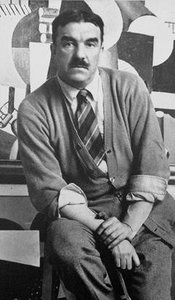
Fernand Léger
1881 - 1955 , Frankrig
Hurtige fakta
- Artistic Movement Or Style: Tubisme, Kubisme
- Artists Or Movements Influenced By This Artist: ['Pop Art']
- Artists Who Influenced This Artist: ['Paul Cézanne']
- Date Of Birth: 4. februar 1881
- Date Of Death: 17. august 1955
- Full Name: Fernand Léger
- Nationality: Fransk
- Notable Artworks:
- Fabrikantere
- Soldier med pibe
- Place Of Birth: Argentan, Frankrig
Relaterede artikler

The Essence of Naïve Art: A Professional Guide to Unfiltered Creativity and Aesthetic Sincerity
Explore the profound beauty of Naïve Art. Discover its unique characteristics, historical significance, and how this unfiltered, sincere aesthetic can elevate professional interior design through high-quality, hand-painted reproductions.

Modern Geometry & Machine Age Beauty: A Collector's Guide to the Cubist Vision of Fernand Léger
Explore the profound geometric mastery of Fernand Léger. Discover how his 'Tubism' and Machine Age aesthetics redefined modern art, offering timeless inspiration for discerning collectors seeking to integrate Cubist dynamism into sophisticated contemporary interiors.


