


 Se i fuld skala
 Del
Del Del
Del
 Detaljer

 Download
 Lignende værker
 Røntgenundersøgelse
 Diasshow
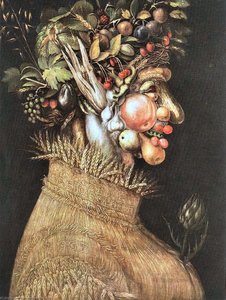
Composite Head
 1610
1610 65.0 x 48.0 cm
 Capodimonte Museet
 Se mere
Håndlavet oliereproduktion
Håndmalet olie på lærred i din valgte størrelse og ramme, udført efter bestilling af vores kunstnere. ( Køb print Køb billede)




































Vælg mellem vores forudindstillede størrelser, der matcher kunstværkets originale proportioner.

Du kan indtaste dine egne mål for at passe til en bestemt ramme eller plads. Hvis den valgte størrelse ikke stemmer overens med det originale billedes proportioner, vil vi enten beskære kunstværket eller udvide maleriet med yderligere håndmalede elementer. En digital skitse sendes til din godkendelse, før produktionen påbegyndes.
Bemærk venligst, at forhåndsvisningen på skærmen ikke afspejler den faktiske beskæring eller udvidelse. Kun skitsen vil nøjagtigt vise den endelige komposition.
Selvom specialmål er mulige, anbefaler vi at vælge en dimension fra den foruddefinerede liste for at bevare de originale proportioner.
Efter bestilling vil AllPaintingsStore.com team sende en e-mail til kunden for at få instruktioner og levere et udkast til en skitse.
Levering i hele verden () på 3/4 uger i stedet for de standard 5 uger. (15 august). Ingen kompromiser med kvaliteten.

Gratis ekspresforsendelse til hele verden

Lærred af linned i høj kvalitet

Fuld transportforsikring

Garanti for refusion af told og importafgifter

Garanti for præcis farvegengivelse

60 dages returret (kun ved fabrikationsfejl)

100% Tilfredshedsgaranti

Mængderabat tilgængelig
 Glasmulighed er kun tilgængelig i størrelser under 110 cm

Composite Head
Reproduktionsmetode
Størrelse på reproduktion
-


Samlet pris
$ 258
Beskrivelse af kunstværket
Composition and Symbolism
The central figure of the Composite Head is formed by a variety of produce, including apples, oranges, and berries. The arrangement of these items creates a sense of depth and dimensionality, drawing the viewer's eye into the painting. The use of bright colors and intricate details adds to the overall sense of realism, making the Composite Head a captivating piece. You can discover more about this artwork on AllPaintingsStore.com.Artist and Style
Francesco Zucchi was a skilled artist known for his still-life paintings, which often featured intricate arrangements of fruits, vegetables, and other objects. The Composite Head is a prime example of his work, showcasing his attention to detail and ability to create complex compositions. To learn more about the artist and his style, visit the Francesco Zucchi page on AllPaintingsStore.com.- The painting is a testament to Zucchi's skill as an artist and his ability to create unique and captivating works of art.
- The use of oil on canvas allows for a level of detail and realism that is characteristic of Zucchi's style.
- The Composite Head is a must-see for anyone interested in still-life paintings or the work of Francesco Zucchi.
For more information about the Museo Nazionale di Capodimonte and its collection, you can visit the museum's page on Wikipedia.
Lignende kunstværker


Kunstnerens biografi
Francesco Zucchi: Venetian Painter of Myth and Light
Francesco Zucchi (1692 – 1764) stands as a pivotal figure in the Venetian Baroque, embodying the grandeur and intellectual fervor of his era. Born into a family steeped in artistic tradition—his father was also an engraver—Zucchi’s formative years were spent absorbing the stylistic precepts of Alessandro Galli Bibiena and Giovanni Battista Piranesi, shaping him into a master craftsman deeply attuned to both classical ideals and theatrical spectacle. His output spanned frescoes, etchings, and decorative commissions, cementing his reputation as one of Venice's foremost artists.Early Life and Artistic Training
Zucchi’s formal training commenced at the Accademia Veneziana in Venice, where he honed his skills under the tutelage of Giuseppe Cibernetti and Giovanni Battista Piranesi. This exposure to Piranesi’s meticulous architectural drawings instilled a fascination with perspective and spatial illusion—elements that would become hallmarks of Zucchi's artistic style. Notably, he collaborated closely with Antonio Canaletto, establishing a fruitful partnership that produced celebrated depictions of Venetian life and landscapes. Their combined vision elevated Venetian art to new heights of realism and elegance.The Frescoes of Palazzo Labia
Zucchi’s most ambitious undertaking was the decoration of Palazzo Labia in Venice, commissioned by Cardinal Giovanni Battista Castelli. Between 1736 and 1740, he executed a monumental cycle of frescoes depicting mythological scenes—primarily inspired by Virgil's Aeneid—that showcased his mastery of color, composition, and dramatic storytelling. The frescoes are renowned for their luminous palette and masterful use of chiaroscuro, capturing the ethereal beauty of classical narratives with unparalleled sensitivity. This project solidified Zucchi’s position as a leading exponent of Venetian Baroque painting.Engraving and Decorative Commissions
Beyond fresco painting, Zucchi excelled as an engraver, producing exquisitely detailed prints that complemented his paintings and disseminated his artistic ideas throughout Europe. He undertook numerous commissions for aristocratic patrons, adorning villas and palaces with decorative panels featuring mythological subjects and architectural fantasies. His etchings—particularly those produced during his travels to London—demonstrated a remarkable ability to capture atmospheric effects and convey the grandeur of urban landscapes. Collaborations with Robert Adam further expanded Zucchi’s influence in the burgeoning Neoclassical movement, establishing him as an artist who bridged the gap between Baroque theatricality and Enlightenment rationalism.Legacy and Influence
Francesco Zucchi's artistic legacy extends far beyond his individual works. He championed a humanist aesthetic rooted in classical scholarship—a conviction that profoundly impacted Venetian art and culture. His meticulous attention to detail, combined with his profound understanding of perspective and illusion, established him as an exemplar for subsequent generations of painters. Though overshadowed by contemporaries like Canaletto and Tiepolo, Zucchi’s frescoes continue to captivate audiences today, serving as enduring monuments to Venetian Baroque artistry and demonstrating the transformative power of artistic vision. His influence can be seen in the works of artists who followed him, ensuring that his contribution to Italian art history remains vividly alive.
francesco zucchi
1692 - 1764 , Italy
Kort om kunstneren
- Artistic Movement Or Style: Neoclassical
- Artists Or Movements Influenced By This Artist: ['Robert Adam']
- Artists Who Influenced This Artist:
- Francesco Fontebasso
- Jacopo Amigoni
- Date Of Birth: Venice, Italy (1692)
- Full Name: Francesco Zucchi
- Nationality: Italian
- Notable Artworks:
- Composite Head
- San Francesco
- Place Of Birth: Venice



