

Acrylic On Canvas.

§ 1Katalogdata

Dette kunstværk er ophavsretsbeskyttet
Kunstværket vist på denne side er beskyttet af ophavsretsloven, hvilket betyder, at vi ikke lovligt kan skabe eller sælge en identisk reproduktion. Denne beskyttelse håndhæves i henhold til internationale aftaler som f.eks. den Bernerkonventionen og af nationale love, herunder de bestemmelser, der er fastlagt i Amerikansk ophavsretslov - Titel 17.
Som et respektfuldt og lovligt alternativ tilbyder vi skræddersyede, håndmalede kunstværker inspireret af originalen. Vores dygtige og professionelle kunstnere studerer omhyggeligt originalens stil, stemning og kunstneriske essens for at skabe et nyt, unikt værk, der fremkalder den samme følelse – samtidig med at det forbliver en original skabelse i egen ret.
Denne metode overholder fuldt ud ophavsretsreglerne, da den ikke indebærer kopiering eller duplikering af det beskyttede kunstværk. I stedet er der tale om en kreativ nytolkning – et nyt maleri, som er inspireret af det oprindelige, men ikke identisk med det.
 Læs mere
§ 2Abstrakt
Beskrivelse af samlerobjektet
Kunstnerbiografi
Forvrængning og Isolation</h2> Bacons gennembrud kom med *Tre studier for figurer ved korsfæstelsens fod* (1944)
§ 3Kommentarer
A Descent into Existential Angst: Examining Francis Bacon’s “Study for Portrait of Van Gogh III”
Francis Bacon's "Study for Portrait of Van Gogh III," completed in 1957, stands as a chilling testament to the artist’s preoccupation with psychological torment and the inescapable confrontation with mortality. Unlike his more overtly grotesque depictions—such as “Three Studies After Lucian Freud”—this piece eschews explicit horror for a subtle yet pervasive sense of unease, skillfully borrowing stylistic cues from Vincent van Gogh's expressive brushwork.
- Stylistic Echoes of Van Gogh: Bacon deliberately adopted Van Gogh’s agitated impasto technique—thickly applied paint—to convey the artist’s inner turmoil. The swirling brushstrokes mimic Van Gogh’s canvases, particularly “Starry Night,” mirroring a similar yearning for transcendence amidst despair.
- Formal Distortion: Characteristic of Bacon's oeuvre, the portrait is subjected to radical distortion. The figure sprawls across the chair, rendered in fragmented planes and unsettlingly asymmetrical proportions. This deliberate fracturing disrupts conventional notions of representation, prioritizing emotional impact over visual accuracy.
- Color Palette: Dominated by muted reds and browns—colors often associated with blood and decay—the palette reinforces the painting’s melancholic mood. These hues are juxtaposed against a pale yellow background, creating a stark contrast that amplifies the sense of isolation and vulnerability depicted within the composition.
The Artist's Crucible: Shaping Bacon's Vision
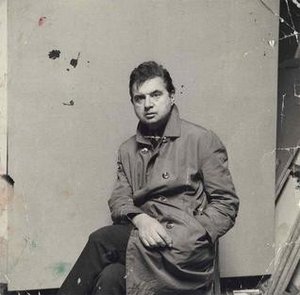
Born in Dublin in 1909, Francis Bacon’s artistic journey was marked by instability—a series of relocations fueled by his mother’s illness instilled a profound awareness of displacement. This formative experience profoundly influenced his worldview and subsequently manifested itself in his art. His unconventional upbringing fostered an independent spirit, rejecting formal training and instead absorbing influences from diverse sources like Surrealism and Expressionism.
Notably, Bacon's artistic development was nurtured by Jessie Lightfoot, his nanny who served as a steadfast companion throughout his childhood. Their bond provided solace amidst turbulent circumstances, shaping his emotional landscape and informing his artistic sensibility. Early inclinations toward horse racing and gambling ultimately yielded to the unwavering dedication of painting—a belated commitment that arguably intensified the urgency and visceral intensity of his later works.
Symbolism Beneath the Surface
The inclusion of a bed behind the figure serves as a potent symbol of vulnerability and confinement, representing the inescapable anxieties inherent in human existence. Similarly, the window offers a glimpse of an external world—a realm of possibility and beauty—yet simultaneously underscores the protagonist’s detachment from it. The scattered books contribute to the atmosphere of intellectual contemplation mingled with despair.
Finally, the presence of a car in the background introduces an element of modernity—a reminder of relentless progress and perhaps hinting at the futility of attempting to escape the inescapable grip of time. Bacon’s masterful manipulation of form and color compels viewers to confront uncomfortable truths about human psychology and the inevitability of suffering.
A Legacy of Emotional Intensity
Francis Bacon (1909-1992) remains a cornerstone of modern art, celebrated for his unflinching exploration of existential themes and his bold expressionism. His work continues to resonate with audiences today, prompting contemplation on the human condition and challenging conventional aesthetic standards.
Spørgsmål og svar
Har "Study for a Portrait 1" stærke lys-mørke kontraster?
"Study for a Portrait 1" af Francis Bacon fremviser en Serene kontrast mellem sine lyse og mørke områder.
Hvilken reproduktionsstørrelse anbefales til "Study for a Portrait 1" af Francis Bacon?
Den anbefalede trykstørrelse til "Study for a Portrait 1" af Francis Bacon er Large.
Hvordan kan jeg se "Study for a Portrait 1" af Francis Bacon som et diasshow?
"Study for a Portrait 1" af Francis Bacon kan opleves som et diasshow på værkets Billedserie-side.


 Skift til printsalg


 For kunstværker eller reproduktioner, der er større end 105 cm (ca. 41 tommer) på en hvilken som helst side, vil rammen blive leveret som et adskilt sæt. Denne metode sikrer sikker levering og forhindrer skader under transport.


