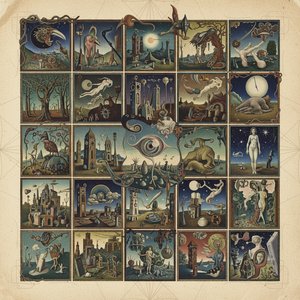
1983. Acrylic On Canvas.

§ 1Katalogdata


Dette kunstværk er ophavsretsbeskyttet
Kunstværket vist på denne side er beskyttet af ophavsretsloven, hvilket betyder, at vi ikke lovligt kan skabe eller sælge en identisk reproduktion. Denne beskyttelse håndhæves i henhold til internationale aftaler som f.eks. den Bernerkonventionen og af nationale love, herunder de bestemmelser, der er fastlagt i Amerikansk ophavsretslov - Titel 17.
Som et respektfuldt og lovligt alternativ tilbyder vi skræddersyede, håndmalede kunstværker inspireret af originalen. Vores dygtige og professionelle kunstnere studerer omhyggeligt originalens stil, stemning og kunstneriske essens for at skabe et nyt, unikt værk, der fremkalder den samme følelse – samtidig med at det forbliver en original skabelse i egen ret.
Denne metode overholder fuldt ud ophavsretsreglerne, da den ikke indebærer kopiering eller duplikering af det beskyttede kunstværk. I stedet er der tale om en kreativ nytolkning – et nyt maleri, som er inspireret af det oprindelige, men ikke identisk med det.
 Læs mere
§ 2Abstrakt
Beskrivelse af samlerobjektet
Triptych, left - Description: The image is a painting of a man sitting on a chair with his arms crossed. The man appears to be naked, and he has a strange expression on his face. The painting is set against an orange background that adds a vibrant touch to the scene. In addition to the main subject, there are two chairs in the image - one where the man is sitting and another chair located further
Kunstnerbiografi
Forvrængning og Isolation</h2> Bacons gennembrud kom med *Tre studier for figurer ved korsfæstelsens fod* (1944)
§ 3Kommentarer
A Portrait of Disquiet: Examining Francis Bacon’s “Man Sitting”
Francis Bacon's "Man Sitting," completed in 1983, stands as one of the artist’s most iconic depictions of human vulnerability and psychological torment. Painted during a period marked by personal upheaval – Bacon had endured a devastating divorce just months prior – the canvas embodies the profound anxieties that characterized his oeuvre throughout his prolific career.
- Subject Matter: The painting presents a solitary figure seated on a chair, rendered in an unsettling nude pose. His crossed arms convey both defensiveness and resignation, capturing a moment of profound stillness amidst internal turmoil.
- Style: Bacon’s signature style—characterized by fragmented forms, distorted perspectives, and visceral textures—is evident throughout “Man Sitting.” The figure is depicted with an almost grotesque realism, prioritizing emotional expression over anatomical accuracy.
Technique: Exploring Bacon's Method of Expression
Bacon employed a technique he termed "squeeze," applying paint directly onto the canvas with a sponge or rag. This method eschewed traditional brushstrokes, resulting in a surface riddled with irregular marks and palpable physicality. The orange background—a color frequently utilized by Bacon—amplifies the painting’s unsettling atmosphere, creating a sense of claustrophobia and highlighting the figure's isolation.
- Material: Bacon primarily used oil paint mixed with turpentine and linseed oil on unstretched canvas. This unconventional approach allowed for maximum textural variation and facilitated the creation of images that pulsate with raw emotion.
Historical Context: Echoes of Trauma and Existential Angst
"Man Sitting" emerged from a broader artistic landscape grappling with themes of trauma, disillusionment, and existential dread. Bacon’s work reflects the anxieties prevalent in post-war Britain—a society reeling from the devastation of World War II and confronting questions about morality, identity, and the human condition. His exploration of psychological vulnerability aligns closely with Surrealist influences and anticipates developments in Expressionism.
Symbolism: Decoding Layers of Meaning
The figure’s nude state symbolizes exposure—not merely physical nudity but also a stripping away of defenses and illusions. The crossed arms represent both protection and confinement, encapsulating the struggle to maintain composure amidst overwhelming emotion. The orange background serves as a visual metaphor for passion, danger, and perhaps even impending doom – colors often associated with primal instincts and subconscious desires.
Emotional Impact: Confronting Darkness Within
"Man Sitting" compels viewers to confront uncomfortable truths about human psychology—the inevitability of suffering, the fragility of identity, and the pervasive presence of darkness within ourselves. Bacon’s masterful manipulation of form and color transcends mere representation; it achieves a profound emotional resonance that lingers long after viewing the artwork. It invites contemplation on themes of isolation, vulnerability, and the enduring quest for meaning in an indifferent universe.
- Interior Designer Considerations: When incorporating reproductions of “Man Sitting” into interior spaces, consider pairing it with complementary hues—such as muted blues or greys—to create a balanced aesthetic. The painting’s dramatic texture and unsettling gaze serve as a powerful focal point, stimulating conversation and prompting reflection.
Ultimately, Bacon's "Man Sitting" remains a testament to the artist's unwavering commitment to portraying the complexities of human experience—a haunting reminder that beauty can coexist with pain, and that confronting darkness is essential for achieving genuine understanding.
Spørgsmål og svar
Findes der værker, der ligner "Triptych, left"?
Siden Lignende værker for "Triptych, left" af Francis Bacon præsenterer relaterede kunstværker.
Hvilken stemning og hvilke følelser forenes i "Triptych, left"?
I "Triptych, left" ledsages en Dramatic stemning af en Melancholic følelse.
Er "Triptych, left" af Francis Bacon et maleri, en tegning eller et tryk?
I kataloget er "Triptych, left" af Francis Bacon registreret som WallArt. Kategorien hjælper med at finde lignende værker.


 Skift til printsalg


 For kunstværker eller reproduktioner, der er større end 105 cm (ca. 41 tommer) på en hvilken som helst side, vil rammen blive leveret som et adskilt sæt. Denne metode sikrer sikker levering og forhindrer skader under transport.