


 Se i fuld skala
 Del
Del Del
Del
 Detaljer

 Download
 Lignende værker
 Røntgenundersøgelse
 Diasshow
Teapot
 Acrylic
- WallArt
- Wisconsin Landscape Painting
 1985
1985 225.0 x 117.0 cm
 National Gallery of Australia
 Se mere
Håndlavet oliereproduktion
Håndmalet olie på lærred i din valgte størrelse og ramme, udført efter bestilling af vores kunstnere. ( Køb print Køb billede)




P118B $10

P118H $10

P118W $10

P438Z $10

P508JH $12

P508YH $12

P805H $10

P805Z $10

P919BZ $10

P919G $10

P919XJ $10

P959ZH $10

P968JZ $12

W106C $8

W218G $10

W218JH $8

W218Y $10

W307PJ $10

W316G $10

W316PJ $8

W316Y $10

W398PJ $8

W4111J $10

W500HY $15

W500JH $15

W692G $12

W849H $8

W940BG $15

W953PJ $8




Vælg mellem vores forudindstillede størrelser, der matcher kunstværkets originale proportioner.

Du kan indtaste dine egne mål for at passe til en bestemt ramme eller plads. Hvis den valgte størrelse ikke stemmer overens med det originale billedes proportioner, vil vi enten beskære kunstværket eller udvide maleriet med yderligere håndmalede elementer. En digital skitse sendes til din godkendelse, før produktionen påbegyndes.
Bemærk venligst, at forhåndsvisningen på skærmen ikke afspejler den faktiske beskæring eller udvidelse. Kun skitsen vil nøjagtigt vise den endelige komposition.
Selvom specialmål er mulige, anbefaler vi at vælge en dimension fra den foruddefinerede liste for at bevare de originale proportioner.
Efter bestilling vil AllPaintingsStore.com team sende en e-mail til kunden for at få instruktioner og levere et udkast til en skitse.
Levering i hele verden () på 3/4 uger i stedet for de standard 5 uger. (20 august). Ingen kompromiser med kvaliteten.

Gratis ekspresforsendelse til hele verden

Lærred af linned i høj kvalitet

Fuld transportforsikring

Garanti for refusion af told og importafgifter

Garanti for præcis farvegengivelse

60 dages returret (kun ved fabrikationsfejl)

100% Tilfredshedsgaranti

Mængderabat tilgængelig
 Glasmulighed er kun tilgængelig i størrelser under 110 cm

Teapot
Reproduktionsmetode
Størrelse på reproduktion
-


Samlet pris
$ 258
Beskrivelse af kunstværket
A Quiet Reflection on Wisconsin’s Heartland
Frank S. Bauer's "Teapot," painted in 1985, isn’t merely an image of porcelain; it’s a distillation of Wisconsin’s agricultural heritage and imbued with subtle symbolic resonance. Measuring 225 x 117 cm, this artwork speaks volumes about the artist’s dedication to capturing the beauty of his surroundings—a characteristic prevalent in American landscape painting during the late Victorian era. Bauer eschewed formal artistic training, prioritizing instead a profound understanding gained from observing and interpreting the Wisconsin countryside. This experiential approach profoundly shaped his vision, resulting in a piece that transcends simple representation.Style and Technique: Impressionistic Hints
Despite lacking formal instruction, Bauer skillfully employed techniques reminiscent of Impressionism. The painting utilizes loose brushstrokes—particularly evident in the depiction of the tabletop—to convey light and atmosphere rather than striving for photographic accuracy. Color palettes are muted yet harmonious, dominated by earthy tones that mirror the hues found in Wisconsin’s farmland. Notice how Bauer captures the diffused glow of sunlight filtering through the studio window onto the teapot and table surface; this delicate rendering exemplifies Impressionistic principles aimed at conveying fleeting moments of perception. The artist's deliberate choice to prioritize feeling over precise detail underscores his artistic philosophy.Historical Context: Wisconsin’s Agricultural Boom
“Teapot” emerges from a pivotal period in Wisconsin’s history—the late 1880s and early 1900s, coinciding with an unprecedented agricultural boom fueled by westward expansion and technological advancements. Farmers like Bauer were instrumental in shaping the state's identity, embodying resilience, practicality, and a deep connection to the land. The teapot itself serves as a visual anchor, grounding the scene in domesticity—a counterpoint to the grand narratives of industrialization and urbanization that characterized the era. It subtly suggests themes of comfort, simplicity, and perhaps even nostalgia for a bygone pastoral ideal.Symbolism: Vessels of Tranquility
The teapot transcends its utilitarian function as an everyday object; it operates on a symbolic level. Traditionally associated with hospitality, warmth, and contemplation, the teapot embodies qualities valued within Wisconsin’s rural culture. The prominent red ball atop the teapot adds a splash of color—a deliberate gesture that draws attention to the artwork's focal point and introduces an element of visual vibrancy. Considering the artist’s biographical context – his upbringing on a farm – this inclusion reinforces the painting’s connection to its origins and elevates it beyond mere depiction.Emotional Impact: A Moment Preserved
Ultimately, “Teapot” evokes a feeling of serene contemplation—a quiet appreciation for beauty found in the commonplace. Bauer's masterful technique captures not just what he sees but how he feels about his subject matter. The painting invites viewers to pause and consider the enduring values of rural life and artistic integrity. It’s a piece that speaks to the human desire for connection with nature and reminds us that profound artistry can emerge from unexpected sources—a testament to Frank S. Bauer's remarkable ability to transform observation into evocative visual expression.Lignende kunstværker


Kunstnerens biografi
The Pastoral Legacy of Frank S. Bauer
In the quiet, rolling landscapes of early twentieth-century Wisconsin, the name Frank S. Bauer evokes a sense of profound connection to the American heartland. Born on July 9, 1856, in the rural township of Leroy, Bauer’s life was a tapestry woven from the threads of agricultural toil, civic duty, and an enduring artistic sensitivity. While history often remembers him through his political contributions as a member of the Wisconsin Assembly and his service as a postmaster, his true essence is captured in the silent, evocative beauty of his landscapes. His journey from a farm boy in Dodge County to a respected figure in state politics provided him with a unique vantage point, allowing him to observe the shifting rhythms of rural life with both the intimacy of a resident and the detached eye of an observer.
Bauer’s artistic development was deeply rooted in the very soil he inhabited. Though formal academic training remains undocumented, his mastery of the Wisconsin landscape suggests a profound, self-taught communion with nature. The undulating hills, the tranquil waterways, and the seasonal transformations of the Midwestern plains served as his primary instructors. His work often reflects a deep-seated reverence for the agricultural heritage of his home state, portraying farmhouses nestled within vast fields of grain or corn not merely as structures, and scenery, but as symbols of stability and rootedness. There is an inherent stillness in his compositions that invites the viewer to pause and reflect on the enduring spirit of the American pastoral.
A Confluence of Service and Sentiment
The life of Frank S. Bauer was characterized by a remarkable duality. As a businessman and politician, he navigated the complexities of civic leadership, serving in the Wisconsin Assembly from 1905 to 1909 and later holding positions such as Biron Village President and school board clerk. This period of intense public engagement coincided with his creative output, creating a fascinating tension between the structured world of governance and the fluid, emotive world of landscape painting. One can imagine that the political currents he navigated—the debates over local infrastructure and the management of community resources—deepened his appreciation for the land's quiet permanence.
His artistic style, while difficult to categorize within rigid movements, leans toward a gentle impressionism that prioritizes atmosphere and light. He favored muted palettes that mirrored the soft, often overcast skies of the Wisconsin countryside, creating works that resonate with a sense of nostalgia and peace. His paintings do not shout; rather, they whisper of a bygone era of simplicity. Through his brush, the mundane elements of rural life—a simple teapot, a distant barn, or a sun-dappled field—are elevated to subjects of quiet dignity. This ability to find the extraordinary within the ordinary remains his most significant artistic achievement.
Historical Significance and Enduring Impression
Though Bauer’s oeuvre is relatively sparse in the historical record, its significance lies in its role as a visual chronicle of a specific American epoch. His work serves as a bridge between the rugged frontier spirit of the nineteenth century and the more settled, organized society of the early twentieth century. To look upon a Bauer landscape is to witness the transition of the Wisconsin landscape from wild territory to a cultivated, cherished home. He captured the soul of a region during a time of great change, preserving the serenity of the farmstead even as the world around it began to accelerate.
Ultimately, the legacy of Frank S. Bauer is one of harmony. He achieved a rare balance between the responsibilities of a citizen and the passions of an artist. His life reminds us that true observation requires both presence and perspective—the ability to participate in the life of a community while remaining deeply attuned to the subtle, shifting beauty of the natural world. Today, his works stand as poignant reminders of the quiet strength found in the American landscape and the enduring power of a life lived in service to both people and place.

frank s. bauer
1856 - 1936 , United States of America
Kort om kunstneren
- Artistic Movement Or Style: Rural Landscape Art
- Artists Or Movements Influenced By This Artist:
- Kunstsalon Franke Schenk
- Schackgalerie
- Artists Who Influenced This Artist:
- Franz Marc
- Lovis Corinth
- Date Of Birth: July 9, 1856
- Date Of Death: August 16, 1936
- Full Name: Frank S. Bauer
- Nationality: American
- Notable Artworks:
- The Moon-Woman
- Payne Gallery
- Place Of Birth: Leroy, United States of America
Relaterede artikler

Top 10 Landskabsmalerier: Kunst, Historie og Inspiration til Dit Hjem
Oplev de 10 mest ikoniske landskabsmalerier fra Monet, Van Gogh og Caspar David Friedrich. Lær historien bag disse mesterværker & find inspiration til dit hjem med AllPaintingsStore.coms kuraterede kunstsamling. Udforsk nu!

Evocations of Place: A Historical Journey Through Landscape Art
Explore the rich history of landscape art with AllPaintingsStore. Discover renowned artists, movements like Impressionism & Romanticism, and expert guidance for collecting timeless pieces. Find your perfect serene escape today!

Evocations of Place: A Historical Journey Through Landscape Art
Explore the rich history of landscape art with AllPaintingsStore. Discover renowned artists, movements like Impressionism & tonalism, and expert guidance for collecting timeless pieces. Find your perfect serene escape today!
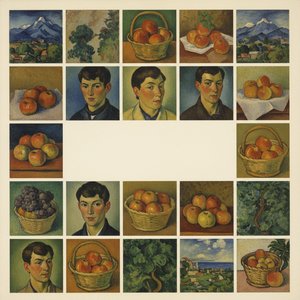
Paul Cézannes 25 Mesterværker: En Kunstnerisk Rejse til Moderne Malerkunst | AllPaintingsStore.dk
Oplev Paul Cézannes 25 mest ikoniske malerier – fra stilleben til landskaber. Lær om impressionismen, hans unikke stil og køb eksklusive kunsttryk på AllPaintingsStore.dk. Find inspiration til din indretning!
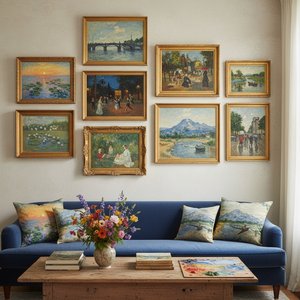
Impressionismens Mestre: Top 10 Landskaber der Ændrede Kunsten | AllPaintingsStore.dk
Oplev impressionismens magi! Dyk ned i top 10 landskabsmalerier af Monet, Renoir & Van Gogh. Lær historien bag mesterværkerne og find inspiration til din indretning med AllPaintingsStore.dk – køb kunst online.


