

1908. Acrylic On Canvas, 46.0 x 38.0 cm.

§ 1Katalogdata

- 46.0 x 38.0 cm


Dette kunstværk er ophavsretsbeskyttet
Kunstværket vist på denne side er beskyttet af ophavsretsloven, hvilket betyder, at vi ikke lovligt kan skabe eller sælge en identisk reproduktion. Denne beskyttelse håndhæves i henhold til internationale aftaler som f.eks. den Bernerkonventionen og af nationale love, herunder de bestemmelser, der er fastlagt i Amerikansk ophavsretslov - Titel 17.
Som et respektfuldt og lovligt alternativ tilbyder vi skræddersyede, håndmalede kunstværker inspireret af originalen. Vores dygtige og professionelle kunstnere studerer omhyggeligt originalens stil, stemning og kunstneriske essens for at skabe et nyt, unikt værk, der fremkalder den samme følelse – samtidig med at det forbliver en original skabelse i egen ret.
Denne metode overholder fuldt ud ophavsretsreglerne, da den ikke indebærer kopiering eller duplikering af det beskyttede kunstværk. I stedet er der tale om en kreativ nytolkning – et nyt maleri, som er inspireret af det oprindelige, men ikke identisk med det.
 Læs mere
§ 2Abstrakt
Beskrivelse af samlerobjektet
Kunstnerbiografi
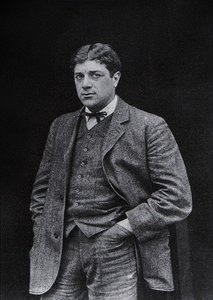
Georges Braque (1882-1963): En fransk maler, pionér indenfor kubismen og fauvism. Oplev hans innovative kunstværker, herunder 'Huse ved L'Estaque', og fascinerende collager.
§ 3Kommentarer
Georges Braque’s “Path at Estaque”: A Dialogue Between Cézanne and Picasso
Georges Braque’s “Path at Estaque,” painted in 1908, stands as a pivotal work within the burgeoning Cubist movement, yet simultaneously echoes the influence of Paul Cézanne—a relationship that exemplifies the artistic ferment of the period. This unassuming landscape isn't merely a depiction of Provence; it’s a carefully considered response to Cézanne’s groundbreaking explorations of form and perspective, compounded by Braque’s own burgeoning fascination with Picasso’s revolutionary “Les Demoiselles d’Avignon.” As Dr. Beth Harris eloquently describes in Smarthistory, the painting represents “an homage to Cézanne, but also a reaction to having seen Picasso’s Les Demoiselles d’Avignon,” highlighting the complex interplay of artistic ideas shaping Braque's vision.
- Subject Matter: The canvas captures a tranquil coastal scene—a path winding through a grove of trees overlooking the Mediterranean Sea. Estaque, a village near Marseille, served as Cézanne’s studio and inspiration for countless works, cementing its place in art history.
- Style & Technique: Braque employs a fractured perspective characteristic of Cubism, breaking down objects into geometric planes that overlap and intersect. Unlike traditional Impressionistic renderings, he prioritizes structure over optical illusion, striving to represent multiple viewpoints simultaneously. The muted palette—dominated by earthy greens and browns—contributes to the painting’s contemplative mood.
- Historical Context: Painted in 1908, “Path at Estaque” marks a crucial moment in artistic history. Cézanne's insistence on simplifying forms and flattening space had profoundly impacted artists like Braque and Picasso, prompting them to challenge established conventions. The painting reflects the broader intellectual currents of the time—a rejection of academic realism in favor of subjective perception and experimental representation.
- Symbolism & Emotional Impact: Beyond its visual depiction, “Path at Estaque” conveys a sense of stillness and observation. Cézanne’s influence is palpable in Braque's careful attention to tonal variations and the subtle modeling of surfaces—techniques designed to evoke an emotional response akin to Cézanne’s own profound engagement with nature.
A Reproduction Worth Considering
The MoMA’s catalog entry emphasizes Braque’s deliberate approach, noting that “Georges Braque. Road near L'Estaque. L'Estaque, late summer 1908” is “Oil on canvas. 23 3/4 x 19 3/4\" (60.3 x 50.2 cm). Given anonymously (by exchange).” This painting exemplifies the core tenets of Cubism—a stylistic breakthrough that continues to inspire artists and collectors alike.
- Material Quality: AllPaintingsStore offers exceptionally detailed reproductions crafted from archival pigments on premium canvas, ensuring vibrant colors and exceptional longevity.
- Interior Design Inspiration: “Path at Estaque”’s serene composition lends itself beautifully to contemporary interior spaces—particularly those seeking a connection with the natural world and an appreciation for understated elegance.
- Art Historical Significance: Acquiring a high-quality reproduction allows you to engage directly with one of the foundational artworks of modern art, fostering a deeper understanding of Cézanne’s legacy and Picasso’s pioneering vision.
Explore the captivating beauty and intellectual depth of Georges Braque’s “Path at Estaque” through AllPaintingsStore’s stunning reproductions—a testament to artistic innovation and enduring inspiration.
Spørgsmål og svar
Hvilken stemning formidler Cubist Landscape-værket "Path at Estaque"?
"Path at Estaque" har en Reflective stemning inden for Cubist Landscape-bevægelsen.
Hvordan forenes kunstretning og epoke i "Path at Estaque" af Georges Braque?
"Path at Estaque" tilhører Cubist Landscape-retningen, og dets skaber arbejdede i Moderne tid-æraen.
Hvor lys er "Path at Estaque" overordnet set?
Overordnet set er "Path at Estaque" registreret som balanced. Den oplevede lysstyrke beskriver, hvor lyst eller mørkt værket fremstår.


 Skift til printsalg


 For kunstværker eller reproduktioner, der er større end 105 cm (ca. 41 tommer) på en hvilken som helst side, vil rammen blive leveret som et adskilt sæt. Denne metode sikrer sikker levering og forhindrer skader under transport.


