

Acrylic On Canvas.

§ 1Catalogue data

Dette kunstværk er ophavsretsbeskyttet
Kunstværket vist på denne side er beskyttet af ophavsretsloven, hvilket betyder, at vi ikke lovligt kan skabe eller sælge en identisk reproduktion. Denne beskyttelse håndhæves i henhold til internationale aftaler som f.eks. den Bernerkonventionen og af nationale love, herunder de bestemmelser, der er fastlagt i Amerikansk ophavsretslov - Titel 17.
Som et respektfuldt og lovligt alternativ tilbyder vi skræddersyede, håndmalede kunstværker inspireret af originalen. Vores dygtige og professionelle kunstnere studerer omhyggeligt originalens stil, stemning og kunstneriske essens for at skabe et nyt, unikt værk, der fremkalder den samme følelse – samtidig med at det forbliver en original skabelse i egen ret.
Denne metode overholder fuldt ud ophavsretsreglerne, da den ikke indebærer kopiering eller duplikering af det beskyttede kunstværk. I stedet er der tale om en kreativ nytolkning – et nyt maleri, som er inspireret af det oprindelige, men ikke identisk med det.
 Læs mere
§ 2Abstract
Beskrivelse af samlerobjektet
Kunstnerbiografi
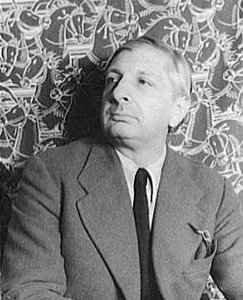
Udforsk Giorgio de Chiricos surrealist univers! Hans dystopiske bylandskaber og filosofiske temaer inspirerede Surrealismen. Et mesterværk af mystik og længsel.
§ 3Commentary
A Fragmented Reality: De Chirico’s ‘The Fall’ – An Exploration of Surrealist Vision
Giorgio de Chirico's “The Fall” stands as a cornerstone of Metaphysical Art, encapsulating the anxieties and intellectual explorations characteristic of its era. Painted around 1917-18, this enigmatic canvas transcends mere depiction; it plunges viewers into a dreamscape populated by unsettling juxtapositions and imbued with profound symbolic resonance. The artwork’s desolate landscape—a rocky outcrop bathed in muted sunlight—immediately establishes an atmosphere of isolation and unease, mirroring the philosophical preoccupations that fueled de Chirico's artistic endeavors.The Composition: A Disturbing Tableau
At first glance, “The Fall” presents a disconcerting scene: a group of figures clustered around a corpse-like man sprawled upon the ground. The positioning is deliberately jarring—the bodies are arranged in an unnatural manner, disrupting conventional spatial logic. Notably prominent is a solitary sword held aloft by one individual, symbolizing powerlessness and vulnerability against an unseen force. Furthermore, the inclusion of a horse – positioned on the right side – adds to the visual drama, representing primal instinct and perhaps hinting at a return to primordial origins. Two birds circling overhead contribute to the pervasive sense of disorientation, reinforcing the painting’s preoccupation with themes of mortality and transcendence.Style and Technique: Borrowing from Böcklin and Klinger
De Chirico's stylistic choices reflect his deep admiration for Arnold Böcklin and Max Klinger, artists who had profoundly impacted his artistic sensibilities. Like Böcklin’s landscapes—particularly “Alpine Scene”—“The Fall” employs a muted palette dominated by earthy tones, creating an ethereal yet melancholic mood. The artist skillfully utilizes chiaroscuro – dramatic contrasts between light and shadow – to heighten the sense of drama and emphasize the sculptural quality of the figures. De Chirico's meticulous attention to detail—particularly in rendering the textures of stone and flesh—demonstrates a commitment to realism tempered by an expressive impulse.Philosophical Undercurrents: Nietzsche’s Influence
The painting’s intellectual bedrock lies firmly within the philosophical ideas championed by Friedrich Nietzsche, Arthur Schopenhauer, and Otto Weininger. These thinkers questioned traditional notions of morality and rationality, advocating for a radical embrace of instinct and subjectivity. De Chirico's exploration of these concepts is evident in “The Fall”’s depiction of existential dread—the figures are confronted with the inescapable reality of death and decay, prompting contemplation on the meaninglessness of existence. The unsettling stillness of the scene underscores Nietzsche’s assertion that life itself is an illusion, a deceptive appearance concealing an underlying abyss.Symbolism: Ghosts of Antiquity
“The Fall” resonates powerfully with symbols drawn from classical antiquity—a deliberate reference to the myth of Persephone and Hades, representing descent into darkness and rebirth. The corpse-like man embodies vulnerability and mortality, serving as a visual reminder of human fragility. The horse symbolizes primal instinct and represents an escape from civilized constraints. Ultimately, De Chirico’s masterpiece invites viewers to confront uncomfortable truths about the human condition—a testament to his enduring legacy as one of the most influential artists of the early 20th century.Spørgsmål og svar
Hvilken national oprindelse ligger bag Neo-Baroque i "The Fall"?
Det Neo-Baroque værk "The Fall" blev skabt af en kunstner født i Grækenland.
Hvad deler "The Fall" med resten af Giorgio de Chiricos produktion?
"The Fall" er et værk fra Giorgio de Chiricos Neo-Baroque-periode, hvis gennemgående temaer inkluderer classical echoes & modern angst, existential dread & dreamscapes, philosophical vision & symbolism, de chirico’s surreal legacy, urban isolation & mortality.
Hvor populær er "The Fall" inden for Neo-Baroque?
Inden for Neo-Baroque-bevægelsen har "The Fall" et Iconic popularitetsniveau.


 Skift til printsalg


 For kunstværker eller reproduktioner, der er større end 105 cm (ca. 41 tommer) på en hvilken som helst side, vil rammen blive leveret som et adskilt sæt. Denne metode sikrer sikker levering og forhindrer skader under transport.


