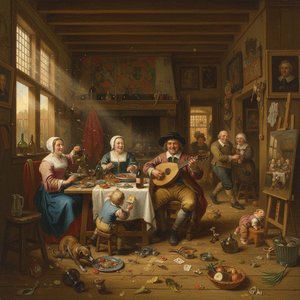
1510. Acrylic On Canvas, 135.0 x 45.0 cm. Pradomuseet.

§ 1Katalogdata

- 135.0 x 45.0 cm


§ 2Abstrakt
Beskrivelse af samlerobjektet
 Vis mere
Kunstnerbiografi
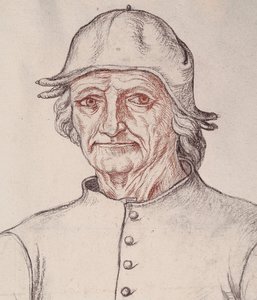
Hieronymus Bosch (1450-1516): En mystisk holstensk maler kendt for surrealistiske og symbolske billeder, der udforsker moral, religion og menneskets natur. Et vartegn i kunsthistorien.
§ 3Kommentarer
Paradise and Hell: A Descent into Symbolic Horror
Hieronymus Bosch’s “Paradise and Hell,” completed around 1510, stands as one of the most unsettling and enduring visions of the afterlife produced during the Renaissance. This monumental double-sided altarpiece transcends mere depiction; it plunges viewers into a meticulously crafted psychological landscape brimming with biblical allegory and disturbing imagery—a testament to Bosch’s unparalleled ability to capture both divine grace and demonic torment.
- The Left Side: Edenic Tranquility The left panel presents an idyllic garden scene, mirroring the biblical Genesis narrative. Lush greenery dominates the composition, populated by stylized trees bearing fruit – a deliberate reference to the Tree of Knowledge of Good and Evil. Figures representing Adam and Eve are positioned centrally, bathed in soft light, embodying innocence and harmony. Birds flutter amongst blossoms, symbolizing spiritual freedom and divine blessing. Bosch’s meticulous attention to detail—the delicate rendering of petals and leaves—contrasts sharply with the impending doom represented on the opposite side.
- The Right Side: Inferno's Fury In stark contrast, the right panel depicts Hell as a terrifying panorama of torment. Flames engulf the landscape, consuming grotesque creatures and tormented souls. Twisted figures writhe in agony, trapped within inescapable circles of fire and despair. Bosch employs a masterful technique—primarily oil on oak wood—to convey an overwhelming sense of claustrophobia and horror. The use of vibrant reds and yellows underscores the intensity of the infernal fires, while dark blues and blacks create a suffocating atmosphere.
Historical Context & Artistic Innovation Bosch’s work emerged during a period marked by religious anxieties and intellectual ferment—the Reformation was gaining momentum across Europe. He drew heavily upon medieval folklore and Christian symbolism, blending fantastical elements with moral didacticism. Unlike many of his contemporaries who adhered to idealized representations of biblical scenes, Bosch deliberately distorted reality to express profound psychological truths about human nature. His approach foreshadowed the darker currents of Expressionist art centuries later.
Symbolism & Emotional Impact The symbolism embedded within “Paradise and Hell” is extraordinarily complex. Recurring motifs—such as demons, hybrids (creatures combining animal and human features), and grotesque distortions—represent temptations and sins that threaten to corrupt the soul. Bosch’s aim wasn't merely to frighten viewers but to provoke introspection about morality and salvation. The painting’s enduring power lies in its ability to evoke visceral emotions – fear, pity, awe – forcing us to confront our own mortality and grapple with fundamental questions about faith and damnation.
Further Exploration For a deeper understanding of Bosch's artistic legacy, consider visiting Palazzo Ducale di Venezia (Palazzo Ducale) where you can admire masterpieces by Titian and Veronese – artists influenced by Bosch’s visionary style. Alternatively, delve into “Hieronymus Bosch: Decoding the Visions of a Netherlandish Master” (Hieronymus Bosch) for an insightful analysis of his artistic innovations and enduring influence. You can also explore “Mystical Masterpieces: 10 Artworks That Transcends Reality |” (Mystical Masterpieces) to discover similar artistic expressions of spiritual contemplation.
Spørgsmål og svar
Hvad er årsagen til ophavsretsstatus for "Paradise and Hell" af Hieronymus Bosch?
Ophavsretsstatus for "Paradise and Hell" – i det offentlige domæne – ophavsretten er udløbet – følger af kunstnerens død i 1516.
Hvordan forenes medie og bevægelse i "Paradise and Hell"?
"Paradise and Hell" af Hieronymus Bosch kombinerer Acrylic On Canvas-teknikken med Early Netherlandish Painting-stilen. Teknik og stilart beskriver værkets fremstilling og æstetiske udtryk.
Hvad er målene på det originale "Paradise and Hell" af Hieronymus Bosch?
De registrerede mål for "Paradise and Hell" af Hieronymus Bosch er 135 x 45 cm. Reproduktioner kan bestilles i andre størrelser, mens de samme proportioner bevares.


 Skift til printsalg


 For kunstværker eller reproduktioner, der er større end 105 cm (ca. 41 tommer) på en hvilken som helst side, vil rammen blive leveret som et adskilt sæt. Denne metode sikrer sikker levering og forhindrer skader under transport.