


 Se i fuld skala
 Del
Del Del
Del
 Detaljer

 Download
 Lignende værker
 Røntgenundersøgelse
 Diasshow
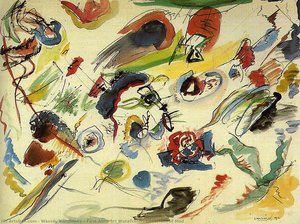
Cosmic Firebird
 Abstract Expressionism
 2005
2005 121.0 x 121.0 cm
 Se mere
Giclée / Kunsttryk
Giclée- eller lærredstryk i museumskvalitet med hurtig produktion og fleksible muligheder for finish. ( Køb håndlavet maleri Køb billede)




































Vælg mellem vores forudindstillede størrelser, der matcher kunstværkets originale proportioner.

Du kan indtaste dine egne mål for at passe til en specifik ramme eller et bestemt område. Hvis den valgte størrelse ikke stemmer overens med det originale billedes proportioner, vil vi enten beskære kunstværket eller udvide billedet med en spejlet eller ensfarvet kant. En digital mockup vil blive sendt til din godkendelse, før produktionen påbegyndes.
Bemærk venligst, at forhåndsvisningen på skærmen ikke afspejler den faktiske beskæring eller udvidelse. Kun mockuppen vil nøjagtigt vise den endelige komposition.
Selvom specialmål er tilgængelige, anbefaler vi at vælge et mål fra den foruddefinerede liste for at bevare de originale proportioner.
Verdensomspændende levering () på 2 uger i stedet for de sædvanlige 4/5 uger. (17 august)

Gratis ekspresforsendelse til hele verden

Lærred af linned i høj kvalitet

Fuld transportforsikring

Garanti for refusion af told og importafgifter

Garanti for præcis farvegengivelse

60 dages returret (kun ved fabrikationsfejl)

100% Tilfredshedsgaranti

Mængderabat tilgængelig
 Glasmulighed er kun tilgængelig i størrelser under 110 cm

Cosmic Firebird
Giclée / Kunsttryk
Størrelse på reproduktion
-


Samlet pris
$ 65
Lignende kunstværker







Kunstnerens biografi
The Enduring Appeal of Nostalgia: The Art of Jack Armstrong
Jack Armstrong is an artist whose work resonates deeply with a sense of shared memory and the comforting glow of Americana. Born in 1948, he didn’t emerge from the traditional art school system but rather from a background steeped in commercial illustration and design. This formative experience proved pivotal, shaping his distinctive style that blends meticulous realism with a heartfelt embrace of mid-20th century culture. Armstrong's paintings aren’t simply depictions of objects; they are portals to a bygone era, evoking the sights, sounds, and feelings associated with post-war America – diners, classic cars, vintage toys, and the everyday ephemera that defined a generation. He is, at his core, a storyteller who uses imagery as his medium, inviting viewers to reconnect with their own personal histories and collective pasts.From Illustration to Iconography: A Developing Style
Armstrong’s early career focused on commercial art, creating illustrations for magazines, advertisements, and packaging. This period honed his technical skills – a mastery of light, shadow, and detail that remains central to his work today. However, he found himself increasingly drawn to subjects beyond the demands of client briefs. He began painting scenes from his childhood, initially as a personal exercise but soon recognizing a wider appeal. These early works featured meticulously rendered images of 1950s gas stations, chrome-laden automobiles, and brightly colored storefronts. He wasn’t interested in simply recreating these scenes; he sought to capture the *feeling* of them – the optimism, the energy, and the sense of possibility that characterized the era. This shift from illustration to fine art was marked by a growing emphasis on nostalgia, not as sentimental longing but as a powerful force for connection and understanding. He deliberately avoids any hint of irony or cynicism in his depictions, instead presenting these scenes with genuine affection and respect.Influences and Artistic Lineage
While Armstrong doesn’t explicitly cite specific artistic influences, the echoes of several movements can be detected in his work. The hyperrealism of artists like Richard Estes and Chuck Close is evident in his meticulous attention to detail, but Armstrong's paintings possess a warmth and emotional depth that sets them apart. The influence of Norman Rockwell is also apparent – not in terms of narrative complexity, but in the artist’s ability to evoke a strong sense of American identity and shared values.- Edward Hopper: The quiet solitude and evocative atmosphere found in Hopper's work resonate with Armstrong's depictions of everyday scenes.
- Pop Art: Although not directly aligned with the Pop Art movement, Armstrong shares its fascination with popular culture and consumerism, albeit approached from a more personal and less critical perspective.
- American Regionalism: The focus on distinctly American subjects and landscapes connects him to artists like Grant Wood and Thomas Hart Benton.




