


 Se i rummet
 Send
Send Del
Del
 Detaljer
 Studieguide til kunstværker

 Download
 Lignende værker
 Røntgenundersøgelse
 Se diasshow
 Statistik
Sappho and Phaon


 Læs mere
Giclée / Kunsttryk
Giclée- eller lærredstryk i museumskvalitet med hurtig produktion og fleksible muligheder for finish. ( Bestil håndmalet reproduktion Skift til digitalt billede)




P118B Dkr10

P118H Dkr10

P118W Dkr10

P438Z Dkr10

P508JH Dkr12

P508YH Dkr12

P805H Dkr10

P805Z Dkr10

P919BZ Dkr10

P919G Dkr10

P919XJ Dkr10

P959ZH Dkr10

P968JZ Dkr12

W106C Dkr8

W218G Dkr10

W218JH Dkr8

W218Y Dkr10

W307PJ Dkr10

W316G Dkr10

W316PJ Dkr8

W316Y Dkr10

W398PJ Dkr8

W4111J Dkr10

W500HY Dkr15

W500JH Dkr15

W692G Dkr12

W849H Dkr8

W940BG Dkr15

W953PJ Dkr8




Vælg mellem vores forudindstillede størrelser, der matcher kunstværkets originale proportioner.

Indtast den bredde og højde, du har brug for, så det passer til din ramme eller din væg. Et print kan kun beskæres, aldrig gøres større end billedet, så en størrelse med en anden form vil miste en del af motivet. Vi sender dig en digital mockup til godkendelse, før vi printer noget. Billedet vist på denne side viser ikke den faktiske beskæring — det er kun mockuppen, der gør.
Verdensomspændende levering () på 2 uger i stedet for de sædvanlige 4/5 uger. (26 oktober)

Gratis ekspresforsendelse til hele verden

Lærred af linned i høj kvalitet

Komplet transportforsikring

Garanti for refusion af told og importafgifter

Garanti for autentisk farvegengivelse

100 dages returret ved fabrikationsfejl

100% fuld returret

Mængderabat ved flere køb
 Glasmulighed er kun tilgængelig i størrelser under 110 cm

Sappho and Phaon
Giclée / Kunsttryk
Reproduktionsstørrelse
-


Samlet pris
Dkr 426
Sappho and Phaon: A Neoclassical Tale of Passion and Desire
Jacques-Louis David’s “Sappho and Phaon” (1809) is a captivating neoclassical painting that transports viewers to a world of ancient myth, intense emotion, and dramatic storytelling. Commissioned by Prince Nikolai Yusupov, this masterpiece—the sole work by David housed in the Hermitage Museum—offers a compelling glimpse into the artist’s mastery of form, color, and narrative.Subject Matter: A Myth Retold
The painting depicts the legendary love story of Sappho, the renowned lyric poet from ancient Greece, and Phaon, the ferryman who captured her heart. David portrays a pivotal moment in their romance – a scene brimming with longing, vulnerability, and burgeoning passion. Sappho is seated, leaning back as Phaon tenderly supports her head, while Cupid attempts to rekindle the flame of love with his lyre. The composition draws directly from the classical tale, reimagined through David’s distinctive artistic lens.Style & Technique: Neoclassical Perfection
“Sappho and Phaon” exemplifies the hallmarks of neoclassical art. David meticulously crafts a scene characterized by order, balance, and idealized beauty. The figures are rendered with anatomical precision, reminiscent of classical sculpture. His technique showcases:- Smooth brushwork that creates a polished surface
- Masterful use of chiaroscuro – the dramatic contrast between light and shadow – to heighten emotional impact.
- A rich, vibrant color palette that enhances the opulence of the setting.
- Precise detailing in fabrics, architectural elements, and facial expressions.
Historical Context: From Revolution to Empire
David’s career spanned a tumultuous period in French history – from the fervor of the French Revolution to the rise of Napoleon. While this painting was created later in his life, after the revolutionary period, it still reflects his commitment to classical ideals as a means of conveying universal truths about human experience. The work's commission by a Russian prince also speaks to the international demand for David’s art and the enduring appeal of neoclassical aesthetics. It echoes earlier works like “The Loves of Paris and Helen,” demonstrating a continued fascination with mythological narratives.Symbolism & Interpretation
Beyond its surface beauty, "Sappho and Phaon" is rich in symbolic meaning:- Cupid’s presence represents the power of love and desire.
- The lyre symbolizes Sappho's poetic voice and artistic expression.
- The opulent interior suggests a world of luxury, sensuality, and refined taste.
- Phaon’s protective gesture embodies the tenderness and devotion within their relationship.
Emotional Impact & Aesthetic Appeal
“Sappho and Phaon” evokes a powerful emotional response. The painting's dramatic composition, combined with its exquisite detail and vibrant colors, creates an atmosphere of intense passion and vulnerability. It’s a work that invites contemplation on the complexities of love, desire, and the enduring power of myth. Its balanced composition and refined aesthetic make it a stunning focal point for any interior—from classic to contemporary—and a treasured addition to any art collection. The painting's timeless quality ensures its continued relevance and appeal for generations to come.Spørgsmål & svar
Hvilket stemningsleje udtrykker "Sappho and Phaon" af Jacques-Louis David inden for Neoclassicism?
Inden for Neoclassicism-bevægelsen er "Sappho and Phaon" nedfældet med en Passionate tone.
Hvilke pseudonymer eller andre navne bruger Jacques-Louis David?
Jacques-Louis David optræder under de alternative navne David.
Hvilket rum anbefales til "Sappho and Phaon" af Jacques-Louis David?
"Sappho and Phaon" af Jacques-Louis David anbefales til et Living Room. Denne anbefaling er baseret på værkets motiv, farver og stemning.
Lignende kunstværker


Om kunstneren
A Brushstroke Across Revolution: The Life and Art of Jacques-Louis David
Jacques-Louis David, født i Paris i 1748, var langt mere end blot en maler; han var en visuel skildrer af en æra præget af omvæltninger, idealisme og den utrættelige stræben efter nye ordener. Hans liv spejlede de dramatiske forandringer, der udspillede sig i hele Frankrig – fra Rococos prangende overdådighed til Neoklassicismens strenge klarhed, og endelig gennem revolutionernes turbulente år og Napoleons storhedstid. Barndommen var præget af tidlig tab af sin far og et ansigtsmæssigt anlæg, der i starten vansirede hans tale, tilsyneladende skarpe hans observationsevne og brændte en urokkelig dedikation til kunstnerisk mesterskab. Selvom han oprindeligt var lærling hos François Boucher, fandt David hurtigt sig selv tiltrukket af Joseph-Marie Viens mere moralsk resonante arbejde, hvis vægt på historie maleri og klassiske motiver resonerede med en voksende følelse af formål inden i den unge kunstner. Hans tidlige forsøg på at vinde det prestigefyldte Prix de Rome var præget af frustration, men disse gentagne fiaskoer intensiverede kun hans vilje, hvilket skabte en utrættelig perfektionisme, der ville karakterisere hele hans karriere.The Birth of Neoclassical Drama
Davids kunstneriske udvikling var ikke blot et stilistisk skift; det var en filosofisk erklæring. Han afviste Rococos overflødige dekoration og legende temaer, omfavnede i stedet klarhed, orden og moralsk alvor, der lå indbygget i den klassiske antikken. Denne engagement blev dybt påvirket af arkæologiske opdagelser ved Pompeii og Herculaneum, som afslørede en verden af romersk kunst og arkitektur, der hidtil var forsvundet i tiden. Hans gennembrud kom med “Oath of the Horatii” (1784), et maleri, der transcenderede blot kunstnerisk dygtighed til at blive et symbol på borgerpligt og patriotisk offervilje. Kompositionens stramhed, det dramatiske lys og den præcise tegning var revolutionerende, signalerede en afgørende brud med fortiden. Det var ikke *hvad* han malede, men *hvordan*, der gjorde forskellen – en bevidst konstruktion designet til at fremkalde kraftfulde følelser og inspirere til eftertanke om temaer som pligt, ære og selvopofrelse. Dette værk annoncerede ikke blot en ny stil; det forudså de ideologiske strømme, der snart ville rase gennem Frankrig.Revolution and Remembrance: Art as Political Weapon
Da den franske revolution brød ud i 1789, var David ikke blot en observatør, men en aktiv deltager. En ivrig støtter til den revolutionære sag og en tæt fortrolig med Maximilien Robespierre, så han kunst som et kraftfuldt værktøj til at forme offentlig mening og for evigt bevare idealerne om den nye republik. Hans malerier i denne periode blev stærke symboler på revolutionært martyrium og republikansk begejstring. Måske hans mest ikoniske værk fra denne æra er “The Death of Marat” (1793), et hjerteskærende realistisk billede af den myrdede journalist, forvandlet til en sekulær martyr. Maleriets stramme enkelhed – det bløde krop, skrivebordet og den klagede breve i Marats hånd – løfter scenen til et niveau af dyb følelsesmæssig resonans. David tjente på Komitéen for offentlig sikkerhed under Terrorperioden og underskrev endda Robespierres dødsdom, hvilket demonstrerer hans dybe involvering i de politiske magtkampe i tiden.From Revolution to Empire: Serving Napoleon
Den faldende af Robespierre markerede et nyt vendepunkt i Davids karriere. Med bemærkelsesværdig tilpasning navigerede han i det skiftende politiske landskab og allierede sig med Napoleon Bonaparte, blev den første konsuls officielle court maler. Denne nye patronat førte til store opgaver designet til at glorificere Napoleons sejre og præstationer. “Napoleon Crossing the Alps” (1801-1805) er måske det mest berømte eksempel – et mesterligt stykke propaganda, der præsenterer Napoleon som en heroisk, næsten mytisk figur, der overvinder både naturen og modstanden. “The Coronation of Napoleon” (1807), et enormt lærred, der fanger den overdådige og pompøse ceremoni, cementerede Davids position som den førende kunstner i Napoleons æra. I denne periode skiftede hans palet subtilt til varmere venetianske farver, mens han bevarede præcisionen og klarheden, der definerede hans stil.Exile, Legacy, and Enduring Influence
Den bourbon-restaurationsperiode i 1814 bragte ny fare for David, hvis forbindelse med den faldne Napoleon gjorde ham til et mål for forfølgelse. Han valgte eksil i Bruxelles i 1816, hvor han fortsatte at male og undervise, indtil sin død den 29. december 1825. Selv i eksilet var hans indflydelse dybtgående. Han uddannede mange elever, herunder Jean-Auguste-Dominique Ingres, der blev en af de vigtigste neoklassiske malere i det 19. århundrede. Davids vægt på tegning, komposition og historisk nøjagtighed efterlod et uforgængeligt præg på fransk kunst. *Hans arv strækker sig ud over blot imitation*; hans udtryksfulde forvrængninger af form og rum var endda en forløber for senere kunstneres innovationer som Henri Matisse og Pablo Picasso. Jacques-Louis David var ikke blot en maler af sin tid; han *definerede* den, fangede dens ånd af revolution, ambition og vedvarende idealer på lærredet for generationer fremover.- Vigtigste præstationer: Etablerede Neoklassicismen som den dominerende stil i fransk maleri.
- Historisk betydning: Skabte ikoniske billeder, der fangede ånden i den franske revolution og Napoleons æra.
- Indflydelse: Uddannede en generation af indflydelsesrige kunstnere, der videreførte hans arv.
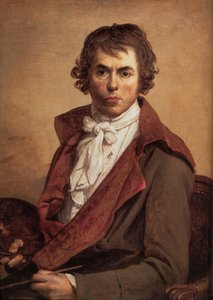
Jacques-Louis David
1748 - 1800 , Frankrig
Hurtige fakta
- Artistic Movement Or Style: Neoklasisk kunst
- Artists Or Movements Influenced By This Artist:
- Ingres
- Matisse
- Artists Who Influenced This Artist:
- Vien
- Mengs
- Date Of Birth: 30. august 1748
- Date Of Death: 29. december 1825
- Full Name: Jacques-Louis David
- Nationality: Fransk
- Notable Artworks:
- Horatiers edd.
- Marats død
- Napoleon over Alperne
- Place Of Birth: Paris, Frankrig
Relaterede artikler

Neoclassical Portraiture: A Procurement Guide to Timeless Elegance for Luxury Hotel Interiors
A professional procurement guide for hotel designers sourcing Neoclassical portraiture. Discover how to integrate timeless elegance into luxury interiors with high-volume, hand-painted oil reproductions, custom sizing, and reliable global logistics for large-scale hospitality projects.

Neoclassical Art Guide: A Procurement Professional's Manual for Timeless Elegance in Luxury Hotel Interiors
A professional procurement guide for hotel designers sourcing Neoclassical art. Discover how hand-painted oil reproductions and large-scale murals provide scalable, timeless elegance for luxury hospitality interiors with reliable bulk ordering and global shipping.


