


 Se i rummet
 Del som kort
 Del
Del
 Detaljer
 Guide
Guide

 Download
 Lignende værker
 Røntgenundersøgelse
 Diasshow
 Spørgsmål og svar
 Statistikker
Borderland

 Vis mere
Giclée / Kunsttryk
Giclée- eller lærredstryk i museumskvalitet med hurtig produktion og fleksible muligheder for finish. ( Køb håndmalet maleri Skift til digitalt billede)




P118B Dkr10

P118H Dkr10

P118W Dkr10

P438Z Dkr10

P508JH Dkr12

P508YH Dkr12

P805H Dkr10

P805Z Dkr10

P919BZ Dkr10

P919G Dkr10

P919XJ Dkr10

P959ZH Dkr10

P968JZ Dkr12

W106C Dkr8

W218G Dkr10

W218JH Dkr8

W218Y Dkr10

W307PJ Dkr10

W316G Dkr10

W316PJ Dkr8

W316Y Dkr10

W398PJ Dkr8

W4111J Dkr10

W500HY Dkr15

W500JH Dkr15

W692G Dkr12

W849H Dkr8

W940BG Dkr15

W953PJ Dkr8




Vælg mellem vores forudindstillede størrelser, der matcher kunstværkets originale proportioner.

Indtast den bredde og højde, du har brug for, så det passer til din ramme eller din væg. Et print kan kun beskæres, aldrig gøres større end selve billedet, så en størrelse med et andet format vil medføre, at dele af motivet går tabt. Vi sender dig en digital mockup til godkendelse, før vi printer noget. Billedet vist på denne side viser ikke den faktiske beskæring — det er kun mockuppen, der gør.
Verdensomspændende levering () på 2 uger i stedet for de sædvanlige 4/5 uger. (4 november)

Gratis ekspresforsendelse til hele verden

Lærred af linned i høj kvalitet

Fuld transportforsikring

Garanti for refusion af told og importafgifter

Garanti for præcis farvegengivelse

100 dages returret ved fabrikationsfejl

100% fuld returret

Mængderabat ved flere køb
 Glasmulighed er kun tilgængelig i størrelser under 110 cm

Borderland
Giclée / Kunsttryk
Størrelse på reproduktion
-


Samlet pris
Dkr 432
Lignende kunstværker


Kunstnerbiografi
James Paterson: A Highland Visionary
James Paterson (1854-1932) stands as a pivotal figure in late 19th and early 20th century Scottish landscape painting, a master of capturing the elusive beauty and dramatic light of Dumfriesshire, Ayrshire, and Edinburgh. Often categorized within the influential ‘Glasgow Boys’ movement – though his style possessed a distinct lyricism separate from their more overtly modern tendencies – Paterson dedicated over two decades to meticulously observing and translating the rugged landscapes of southwestern Scotland. His work isn't merely depictions of scenery; it’s an intimate dialogue with the land, imbued with a deep sense of place and a profound appreciation for the subtleties of colour and atmosphere. Born in Glasgow into a family steeped in industry – his father a successful muslin manufacturer – Paterson’s artistic inclinations were nurtured by a lineage that valued both commerce and creative expression.
Paterson's early life was shaped by an unusual blend of practicality and artistic pursuit. Following a brief foray into the family business, he embraced art with unwavering dedication, enrolling at the Glasgow School of Art under the tutelage of Robert Greenlees. This foundational training provided him with essential technical skills, but it was his subsequent sojourn in Paris – studying under Louis Jacquesson de la Chevreuse and Jean-Paul Laurens – that truly ignited his artistic vision. These Parisian influences introduced him to the Impressionistic techniques of capturing fleeting moments of light and colour, a departure from the more academic styles prevalent at the time. He returned to Scotland with a renewed sense of purpose and a commitment to painting *en plein air*, directly observing and recording the natural world.
The Moniaive Years: A Highland Sanctuary
The period between 1884 and 1905, spent in the village of Moniaive, Dumfriesshire, represents the apex of Paterson’s artistic career. Following his marriage to Eliza Grier Ferguson – a wedding gift being a charming cottage overlooking the Nith Valley – he established a home that would become both his studio and sanctuary. This idyllic setting profoundly shaped his work, as he spent countless hours immersed in the surrounding landscape, meticulously documenting its ever-changing moods. The rugged hills of Nithsdale, the dramatic coastline of Solway Firth, and the meandering rivers became the subjects of his most celebrated paintings.
Kilneiss, the cottage commissioned by his father, Andrew Paterson, served as a crucial element in this period. Designed by Glasgow architects Sir John James Burnet and Alexander Nisbet Paterson – family members who further nurtured his artistic pursuits – it provided a stable base while simultaneously fostering a deep connection to the land. The house itself became an integral part of his creative process, offering a comfortable space for reflection and inspiration. It’s within these walls that he developed his distinctive style, characterized by its luminous colours, atmospheric perspective, and subtle nuances of light. His paintings during this time are not simply representations of landscapes; they're imbued with a sense of quiet contemplation and profound connection to the natural world.
The Glasgow Boys and Artistic Circles
Paterson’s artistic journey was inextricably linked to the vibrant art scene that flourished in Glasgow at the end of the 19th century. He became associated with a group of artists known collectively as ‘The Glasgow Boys,’ including Sir James Guthrie, E. A. Walton, W. Y. McGregor, and E. A. Hornel. While sharing a common interest in capturing contemporary life and landscapes, each artist possessed a unique style and approach. Paterson’s work, however, distinguished itself through its meticulous observation of light and colour, often prioritizing atmospheric effects over direct representation.
His friendships with these fellow artists fostered a spirit of collaboration and mutual inspiration. They regularly exhibited together, sharing ideas and pushing the boundaries of artistic expression. The Glasgow Boys’ collective challenged the prevailing academic traditions of the time, advocating for a more subjective and expressive approach to art. Paterson's commitment to capturing the ephemeral qualities of light and colour aligned perfectly with this movement’s ethos, solidifying his place within its influential circle.
Legacy and Recognition
Following his relocation to Edinburgh in 1906 – prompted by his wife’s death in 1910 – Paterson continued to paint prolifically, embracing public responsibilities and assuming leadership roles within the Scottish art community. He was elected to the Royal Scottish Society of Painters in Watercolour (RSW) in 1885, became an associate member of the Royal Scottish Academy (ARSA) in 1896, and received full membership of the Royal Scottish Academy (RSA) in 1910. His contributions extended beyond his own artistic practice; he served as President of the RSW from 1922 to 1932 and held positions as Librarian and Secretary within the RSA.
James Paterson’s legacy endures through his evocative paintings, which continue to captivate viewers with their luminous colours, atmospheric depth, and profound sense of place. His work is now housed in prominent collections across Scotland, including the National Galleries of Scotland and the Glasgow Art Gallery. The James Paterson Museum Archive, located in Moniaive, offers a unique glimpse into the artist’s life and creative process, preserving his photographs, correspondence, and personal belongings for future generations to appreciate.

James Paterson
1854 - 1932
Kort om kunstneren
- Full Name: James Paterson PRSW RSA RWS
- Nationality: Scottish
- Date Of Birth: 1854
- Date Of Death: 1932
- Place Of Birth: Glasgow, Scotland
- Notable Artworks:
- The German Fleet
- Pool in Craigdarroch Glen
- Autumn in Glencairn
- Artistic Movement Or Style: Impressionism, Scottish landscape
- Artists Who Influenced This Artist:
- Robert Greenlees
- Louis Jacquesson de la Chevreuse
- Jean-Paul Laurens
- Artists Or Movements Influenced By This Artist:
- Glasgow Boys
- Scottish art movement
Relaterede artikler

Golden Splendor: A Curated Journey Through Exquisite Autumn Landscape Masterpieces
Immerse yourself in the golden hues of autumn through our curated selection of landscape masterpieces. Explore museum-quality, hand-painted oil reproductions and bespoke commissions designed for the discerning collector. Elevate your space with timeless seasonal splendor.
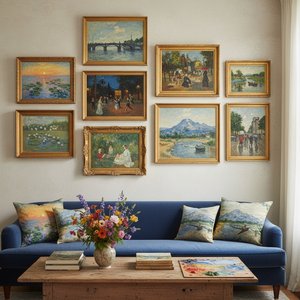
Impressionismens Mestre: Top 10 Landskaber der Ændrede Kunsten | AllPaintingsStore.dk
Oplev impressionismens magi! Dyk ned i top 10 landskabsmalerier af Monet, Renoir & Van Gogh. Lær historien bag mesterværkerne og find inspiration til din indretning med AllPaintingsStore.dk – køb kunst online.

Impressionismens Mestre: Top 10 Landskaber der Ændrede Kunsten | AllPaintingsStore.dk
Oplev impressionismens magi! Dyk ned i top 10 landskabsmalerier af Monet, Renoir & Degas. Lær historierne bag disse ikoniske kunstværker og find inspiration til dit hjem hos AllPaintingsStore.com – museumskvalitet reproduktioner online.

Idyllic Visions: Exploring the Pastoral Tradition in Western Art – Themes, Techniques & Enduring Appeal
Explore the rich history of pastoral art from classical Arcadia to contemporary interpretations. Discover key artists, themes & collecting tips at AllPaintingsStore.

Idyllic Visions: Exploring the Pastoral Scene in Art History – From Arcadia to Modern Interpretations
Explore the captivating history of pastoral art from classical Arcadia to modern masterpieces. Discover key artists like Millet & Cole at AllPaintingsStore. Find serene landscape paintings for your home.