Se i rummet
 Del som kort
 Del
Del
 Detaljer
 Guide
Guide

 Download
 Lignende værker
 Røntgenundersøgelse
 Diasshow
 Q&A
Q&A Statistikker
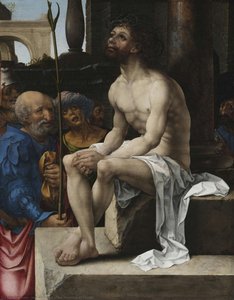
Kristus' lattering
 Akryl på lærred
- Vægkunst
- Renaissance Mannerism
 1507
1507 51.0 x 40.0 cm
 Szépművészeti Múzeum
 Vis mere
Giclée / Kunsttryk
Giclée- eller lærredstryk i museumskvalitet med hurtig produktion og fleksible muligheder for finish. ( Køb håndmalet maleri Skift til digitalt billede)




P118B Dkr10

P118H Dkr10

P118W Dkr10

P438Z Dkr10

P508JH Dkr12

P508YH Dkr12

P805H Dkr10

P805Z Dkr10

P919BZ Dkr10

P919G Dkr10

P919XJ Dkr10

P959ZH Dkr10

P968JZ Dkr12

W106C Dkr8

W218G Dkr10

W218JH Dkr8

W218Y Dkr10

W307PJ Dkr10

W316G Dkr10

W316PJ Dkr8

W316Y Dkr10

W398PJ Dkr8

W4111J Dkr10

W500HY Dkr15

W500JH Dkr15

W692G Dkr12

W849H Dkr8

W940BG Dkr15

W953PJ Dkr8




Vælg mellem vores forudindstillede størrelser, der matcher kunstværkets originale proportioner.

Indtast den bredde og højde, du har brug for, så det passer til din ramme eller din væg. Et print kan kun beskæres, aldrig gøres større end selve billedet, så en størrelse med et andet format vil medføre, at dele af motivet går tabt. Vi sender dig en digital mockup til godkendelse, før vi printer noget. Billedet vist på denne side viser ikke den faktiske beskæring — det er kun mockuppen, der gør.
Verdensomspændende levering () på 2 uger i stedet for de sædvanlige 4/5 uger. (30 oktober)

Gratis ekspresforsendelse til hele verden

Lærred af linned i høj kvalitet

Fuld transportforsikring

Garanti for refusion af told og importafgifter

Garanti for præcis farvegengivelse

100 dages returret ved fabrikationsfejl

100% fuld returret

Mængderabat ved flere køb
 Glasmulighed er kun tilgængelig i størrelser under 110 cm

Kristus' lattering
Giclée / Kunsttryk
Størrelse på reproduktion
-


Samlet pris
Dkr 431
Jan Gossaert og den Skærende Søvn
Jan Gossaert, bedre kendt som Mabuse, var en banebrydende kunstner fra det nordlige Renæssancekunstnere i Nederlandene omkring år 1478-1532. Han kombinerede italienske og nordeuropæiske stiltræk og introducerede romansk kunst til Belgien med portrætter, altarbilleder og mytologiske scener. Han var en nøglefigur inden for kunsthistorien og anses for at være blandt de mest betydningsfulde kunstnere fra hans tid. Hans arbejde udtrykker både teknisk præcision og dyb følelsesmæssig resonans, hvilket gør det til et fascinerende studieobjekt for kunsthistorikere og kunstelskere verden over.- Kunstnerens Stil: Gossaert var en mester i at blande forskellige kunststile, hvilket førte til en unik visuel æstetik kendetegnet ved både italienske humanistiske idealer og nordeuropæisk religiøs følelsesmæssighed. Hans værker viser ofte detaljerede kompositioner og realistiske figurer, hvilket afspejler den kunstneriske udvikling i hans epoke.
- Teknik: Han anvendte hovedsagelig olie på træ som medium, hvilket tillod ham at opnå en imponerende dybde og farvepalette. Hans præcise brug af perspektiv og lys skabte atmosfæriske scener og fremhævede karakterernes følelser og udtryk.
- Historisk Kontekst: Gossaert opererede i Belgien under Habsburgers styre, hvor kunst og kultur blomstrede efter italiensk modell. Hans værker var ofte finansieret af adelige familier og repræsenterede vigtige religiøse temaer og fortællinger fra tiden.
- Symbolik: ”The Mocking of Christ” er fyldt med symbolsk betydning, hvor Jesu ydmyghed og lidelse udtrykkes gennem detaljeret udførelse og brug af ikoniske elementer. Søvnens billede kan tolkes som en refleksion over menneskelig dødelighed og den kristne tro på opstandelse og evigt liv.
- Emotionel Effekt: Maleriet fremkalder følelser af empati og eftertænksomhed hos betragteren, hvilket inviterer til en dybere forståelse af Jesu lidenskab og betydningen af kristendommens grundlæggende principper.
Spørgsmål og svar
Hvem sælger håndmalede kopier af "Kristus' lattering" af Jan Gossaert?
"Kristus' lattering" er tilgængelig som en håndmalet oliereproduktion på lærred af hør. Du kan bestille den på dens Håndmalet reproduktion-side, hvor du kan vælge mellem forskellige størrelser.
Hvem har skabt "Kristus' lattering", og hvilken stilart er det?
"Kristus' lattering" blev skabt af Jan Gossaert i Renaissance Mannerism-stil. Kunstneren og stilen identificerer værkets tradition.
Fremstår farverne i "Kristus' lattering" kraftige eller bløde?
Farverne i "Kristus' lattering" af Jan Gossaert har en Monokrom intensitet.
Lignende kunstværker


Kunstnerbiografi
The Shadowed Canvas: Exploring the Life and Art of an Unknown Master
The name Elias Thorne remains largely obscured within the annals of 16th-century European art, a deliberate anonymity that perhaps mirrors the complex and often melancholic nature of his work. Born in the small, rain-swept village of Oakhaven, nestled on the fringes of the Black Forest in 1503, Thorne’s early life offers little in the way of documented detail – whispers suggest a childhood marked by solitude and an unusual fascination with the natural world, particularly the interplay of light and shadow. His father was a woodcarver, imparting a foundational understanding of form and texture, while his mother, a herbalist, instilled within him a deep reverence for the subtle beauty found in decay and transformation – themes that would become central to Thorne’s artistic vision.
Thorne's formal training is shrouded in mystery. Unlike many artists of his era who apprenticed under established masters, he seems to have been largely self-taught, a characteristic that profoundly shaped the unique character of his paintings. He spent several years traveling throughout Germany and Switzerland, absorbing influences from the burgeoning Renaissance movement while simultaneously developing a distinct style – one characterized by an almost obsessive attention to detail, a muted palette dominated by browns, grays, and deep blues, and a haunting sense of atmosphere. Unlike the vibrant colors favored by his contemporaries, Thorne deliberately employed shadows not as mere absences of light, but as active participants in the narrative of each scene.
A Palette of Grief and Reflection
Thorne’s artistic output was remarkably modest – fewer than thirty paintings survive, scattered across private collections and small museums. Yet, within this limited body of work lies a remarkable depth of emotional resonance. His subjects rarely depict grand historical events or idealized portraits; instead, he focused on scenes of quiet contemplation, moments of profound sorrow, and the inevitable passage of time. Recurring motifs include solitary figures – often women – gazing out from darkened interiors, decaying landscapes, and still lifes featuring wilting flowers and weathered fruit. These images are not merely representations of reality but rather explorations of the human condition, imbued with a palpable sense of melancholy and introspection.
- Notable Works: “The Weaver’s Lament,” “The Forgotten Chapel,” “Still Life with Dying Lilies,” “Portrait of an Unknown Woman (Shadowed),” “Winter’s Embrace.”
- Technique: Thorne was a master of *sfumato*, utilizing subtle gradations of tone and color to create a hazy, dreamlike quality. His brushwork is meticulous yet understated, prioritizing atmosphere over sharp detail. He favored oil paints on wood panels, lending a rich texture and depth to his canvases.
Influences and Artistic Roots
While Thorne’s style remains distinctly his own, it's clear that he was influenced by several key artistic currents of the period. The late Gothic traditions of Northern Europe – particularly the intricate detail and symbolic imagery found in medieval altarpieces – are evident in his compositions. Furthermore, there is a discernible connection to the work of Hans Holbein the Younger, particularly his use of light and shadow to create dramatic effects. However, Thorne transcends mere imitation; he synthesizes these influences into a profoundly personal vision.
Beyond art, Thorne’s life was deeply intertwined with folklore and local legends. The Black Forest itself played a significant role in shaping his artistic sensibility – its dense forests, ancient ruins, and whispered tales of forgotten spirits provided a constant source of inspiration. Local beliefs surrounding death, mourning, and the afterlife are subtly woven into the narratives depicted in his paintings.
Legacy and Historical Significance
Despite his obscurity during his lifetime, Elias Thorne’s work has experienced a quiet resurgence of interest in recent decades. Art historians now recognize him as a pivotal figure in the development of Northern European painting – a precursor to the Baroque era's emphasis on dramatic lighting and emotional intensity. His paintings are not celebrated for their technical brilliance or historical importance but rather for their profound psychological depth and haunting beauty. Thorne’s art serves as a poignant reminder that true artistic genius often resides not in grand gestures, but in the quiet contemplation of human experience.
His work offers a unique window into the anxieties and uncertainties of 16th-century Europe – a period marked by religious upheaval, political instability, and widespread social unrest. Thorne’s paintings reflect this atmosphere of unease, capturing not just the outward appearance of reality but also the underlying currents of sorrow, loss, and longing that shaped the lives of ordinary people.
Further Exploration
For further research into Elias Thorne's life and work, consider exploring these resources:
- The website of the Kunstmuseum Bern (Bern Art Museum) – which houses several examples of his paintings.
- Academic articles on Northern European painting from scholarly journals such as *Art History* and *Renaissance Quarterly*.

Jan Gossaert
1532 , Belgium
Kort om kunstneren
- Date Of Death: 1532
- Place Of Birth: Maubeuge, Belgium
- Notable Artworks:
- Evelyne Axell
- Joav BarEl
- Thomas Bayrle
- Artistic Movement Or Style: World Goes Pop
Relaterede artikler

Mastering Etching: A Professional Guide to Intaglio Printmaking Techniques for High-End Interior Curation
Master the intricate techniques of intaglio etching with our professional guide. Discover how fine-line printmaking adds depth and sophistication to luxury hotel interiors through high-quality, museum-grade reproductions for large-scale design projects.