


 Se i rummet
 Send
Send Del
Del
 Detaljer
 Guide
Guide

 Download
 Lignende værker
 Røntgenundersøgelse
 Se diasshow
 Statistik
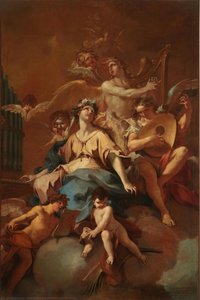
ALLEGORIE RELATIVE A L'ETABLISSEMENT DU MUSEUM


 Læs mere
Giclée / Kunsttryk
Giclée- eller lærredstryk i museumskvalitet med hurtig produktion og fleksible muligheder for finish. ( Bestil håndmalet reproduktion Skift til digitalt billede)




































Vælg mellem vores forudindstillede størrelser, der matcher kunstværkets originale proportioner.

Du kan indtaste dine egne mål for at passe til en specifik ramme eller et bestemt område. Hvis den valgte størrelse ikke stemmer overens med det originale billedes proportioner, vil vi enten beskære kunstværket eller udvide billedet med en spejlet eller ensfarvet kant. En digital mockup vil blive sendt til din godkendelse, før produktionen påbegyndes.
Bemærk venligst, at forhåndsvisningen på skærmen ikke afspejler den faktiske beskæring eller udvidelse. Kun mockuppen vil nøjagtigt vise den endelige komposition.
Selvom specialmål er tilgængelige, anbefaler vi at vælge et mål fra den foruddefinerede liste for at bevare de originale proportioner.
Verdensomspændende levering () på 2 uger i stedet for de sædvanlige 4/5 uger. (21 september)

Gratis ekspresforsendelse til hele verden

Lærred af linned i høj kvalitet

Komplet transportforsikring

Garanti for refusion af told og importafgifter

Garanti for autentisk farvegengivelse

100 dages returret ved fabrikationsfejl

100% fuld returret

Mængderabat ved flere køb
 Glasmulighed er kun tilgængelig i størrelser under 110 cm

ALLEGORIE RELATIVE A L'ETABLISSEMENT DU MUSEUM
Giclée / Kunsttryk
Reproduktionsstørrelse
-


Samlet pris
$ 65
Lignende kunstværker




Om kunstneren
Jean-Jacques Lagrenée (1739-1821): A Neoclassical Vision of Myth and Faith
Jean-Jacques Lagrenée (1739-1821) stands as a prominent figure in French art history, particularly recognized for his contributions to the neoclassical movement. Born in Paris, he emerged from a family steeped in artistic tradition – his brother, Louis-Jean-François Lagrenée, was also a celebrated painter and writer—a lineage that undoubtedly fostered his own creative inclinations. While biographical details remain somewhat sparse compared to contemporaries like David or Ingres, Lagrenée’s oeuvre speaks volumes about his dedication to capturing the grandeur of classical mythology and the solemn beauty of religious subjects.Early Life and Artistic Training
Lagrenée's formative years were marked by a rigorous artistic education. He studied under François Boucher at Versailles, absorbing the stylistic principles that would define his distinctive approach. Boucher’s influence is palpable in Lagrenée’s early works—characterized by meticulous detail, balanced compositions, and an emphasis on idealized forms—reflecting the prevailing aesthetic ideals of Louis XV's court. This training instilled in him a profound understanding of disegno, the Italian technique of drawing that prioritized anatomical accuracy and expressive gesture, shaping his artistic vision for decades to come.Notable Works and Artistic Style
Lagrenée’s artistic style is undeniably neoclassical, prioritizing clarity, restraint, and harmonious proportions. He skillfully blended classical influences with Baroque elements—particularly in his decorative ceiling paintings—creating opulent interiors that conveyed moral virtue and spiritual contemplation. His celebrated masterpiece, “Allegorie Relative à l’Établissement du Musée,” exemplifies this aesthetic sensibility perfectly; it portrays the patronage of art by divine figures, utilizing a pyramidal composition and subtle sfumato shading to evoke a sense of grandeur and serenity. Similarly, his depictions of biblical narratives—such as "Moïse sauvé des eaux L'Invention de Moïse"—demonstrate his mastery of storytelling through visual imagery, imbued with symbolic meaning and executed with remarkable precision.Contributions to the Louvre and Artistic Legacy
Lagrenée’s involvement with the Louvre Museum extended beyond merely executing commissions; he served as Director of Painting from 1789 until his death in 1821, overseeing a period of significant artistic renewal. During this time, he championed the revival of classical ideals and fostered collaborations between artists and intellectuals—a testament to his commitment to elevating French art and culture. Though overshadowed by more flamboyant figures of his era, Lagrenée’s enduring legacy resides in his unwavering dedication to portraying mythological narratives and religious themes with dignity and grace—works that continue to inspire admiration for their technical brilliance and profound emotional resonance. His contribution to the Galerie d’Ap remains a cornerstone of French Baroque art history.Further Exploration
For those wishing to delve deeper into Lagrenée's artistic world, “L’hiver ou Eole déchaînant les vents qui couvrent les montagnes de neige” offers another captivating glimpse into his stylistic prowess. Examining these artworks alongside the broader context of neoclassical art provides invaluable insight into the intellectual and aesthetic currents shaping eighteenth-century France.
jean jacques lagrenée (lagrenée le jeune)
1739 - 1821
Hurtige fakta
- Artistic Movement Or Style: Neoclassical
- Date Of Birth: 1739
- Date Of Death: 1821
- Full Name: Jean Jacques Lagrenée
- Nationality: French
- Notable Artworks:
- Allegorie Relative à l’Établissement du Musée
- L'hiver ou Eole déchaînant les vents qui couvrent les montagnes de neige
- Moïse sauvé des eaux L’Invention de Moïse
- Place Of Birth: France
Relaterede artikler

Neoclassical Portraiture: A Procurement Guide to Timeless Elegance for Luxury Hotel Interiors
A professional procurement guide for hotel designers sourcing Neoclassical portraiture. Discover how to integrate timeless elegance into luxury interiors with high-volume, hand-painted oil reproductions, custom sizing, and reliable global logistics for large-scale hospitality projects.

