


 Se i rummet
 Send
Send Del
Del
 Detaljer
 Studieguide til kunstværker

 Download
 Lignende værker
 Røntgenundersøgelse
 Se diasshow
 Statistik
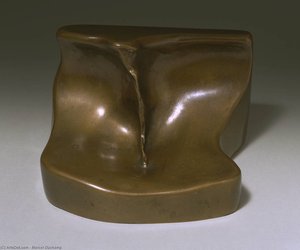
Rotary demisphere


 Læs mere
Kunstværket vist på denne side er beskyttet af ophavsretsloven, hvilket betyder, at vi ikke lovligt kan skabe eller sælge en identisk reproduktion. Denne beskyttelse håndhæves i henhold til internationale aftaler som f.eks. den Bernerkonventionen og af nationale love, herunder de bestemmelser, der er fastlagt i Amerikansk ophavsretslov - Titel 17.
Denne metode overholder fuldt ud ophavsretsreglerne, da den ikke indebærer kopiering eller duplikering af det beskyttede kunstværk. I stedet er der tale om en kreativ nytolkning – et nyt maleri, som er inspireret af det oprindelige, men ikke identisk med det.
Giclée / Kunsttryk
Giclée- eller lærredstryk i museumskvalitet med hurtig produktion og fleksible muligheder for finish. ( Bestil håndmalet reproduktion Skift til digitalt billede)




P118B Dkr10

P118H Dkr10

P118W Dkr10

P438Z Dkr10

P508JH Dkr12

P508YH Dkr12

P805H Dkr10

P805Z Dkr10

P919BZ Dkr10

P919G Dkr10

P919XJ Dkr10

P959ZH Dkr10

P968JZ Dkr12

W106C Dkr8

W218G Dkr10

W218JH Dkr8

W218Y Dkr10

W307PJ Dkr10

W316G Dkr10

W316PJ Dkr8

W316Y Dkr10

W398PJ Dkr8

W4111J Dkr10

W500HY Dkr15

W500JH Dkr15

W692G Dkr12

W849H Dkr8

W940BG Dkr15

W953PJ Dkr8




Vælg mellem vores forudindstillede størrelser, der matcher kunstværkets originale proportioner.

Indtast den bredde og højde, du har brug for, så det passer til din ramme eller din væg. Et print kan kun beskæres, aldrig gøres større end billedet, så en størrelse med en anden form vil miste en del af motivet. Vi sender dig en digital mockup til godkendelse, før vi printer noget. Billedet vist på denne side viser ikke den faktiske beskæring — det er kun mockuppen, der gør.
Verdensomspændende levering () på 2 uger i stedet for de sædvanlige 4/5 uger. (25 oktober)

Gratis ekspresforsendelse til hele verden

Lærred af linned i høj kvalitet

Komplet transportforsikring

Garanti for refusion af told og importafgifter

Garanti for autentisk farvegengivelse

100 dages returret ved fabrikationsfejl

100% fuld returret

Mængderabat ved flere køb
 Glasmulighed er kun tilgængelig i størrelser under 110 cm

Rotary demisphere
Giclée / Kunsttryk
Reproduktionsstørrelse
-


Samlet pris
Dkr 426
The Enigmatic Geometry of Rotary Demisphere
Marcel Duchamp’s Rotary Demisphere, created in 1925, isn't merely a painting; it’s an invitation to dismantle the very foundations of visual perception. This remarkable work, rendered in papier-mâché and meticulously assembled, transcends the boundaries of traditional art by challenging our ingrained assumptions about representation and spatial relationships. The piece immediately commands attention with its arresting circular form – a large, metallic demisphere reminiscent of an antique fan or perhaps a forgotten light fixture. However, it’s not the object itself that holds the primary intrigue, but rather the dynamic illusion it generates when rotated.
The photograph captures a moment frozen in time, revealing a complex interplay of elements. A clock, subtly positioned near the top left corner, and another clock towards the bottom right, serve as anchors within this shifting landscape, grounding the viewer while simultaneously emphasizing the work’s temporal dimension. Two small figures, their identities deliberately ambiguous, are nestled amongst the machinery – they could be observers, participants in a silent performance, or perhaps simply symbolic representations of the human experience caught within the mechanics of perception. Duchamp masterfully employs a copper collar and plexiglass dome to contain and amplify this visual effect, creating a contained spectacle that draws the eye into its mesmerizing spiral.
Dadaism’s Challenge to Artistic Conventions
Rotary Demisphere is deeply rooted in the spirit of Dadaism, the anti-art movement that emerged during World War I. Duchamp, along with fellow Dadaists, sought to reject established artistic norms and challenge the very definition of art itself. Rather than aiming for aesthetic beauty or skillful execution, they prioritized conceptual ideas and explored the role of chance, absurdity, and critique. This piece embodies this ethos perfectly – it’s not about creating a visually pleasing image but about provoking thought and disrupting conventional ways of seeing. Duchamp's intention wasn’t to depict reality faithfully; instead, he aimed to expose the mechanisms by which our brains construct meaning from sensory input.
The work’s creation coincided with Duchamp’s exploration of optical devices and his fascination with creating illusions. He was deeply interested in how vision operates – not as a passive reception of external stimuli but as an active, interpretive process. As documented in archival audio (available via the MoMA link), Duchamp described the experience of viewing the rotating demisphere: “Vision is produced internally, and what Duchamp is doing with the *Rotary Demisphere* is creating a kind of vision that doesn’t have anything to do with what’s out there in the world.” This statement encapsulates the core of his artistic strategy – to shift the focus from representation to perception itself.
A Testament to Precision and Conceptual Innovation
Despite its seemingly simple form, Rotary Demisphere represents a remarkable feat of engineering and craftsmanship. The intricate arrangement of gears, pulleys, and motors within the copper collar demonstrates Duchamp’s meticulous attention to detail and his willingness to embrace technological innovation as a means of artistic expression. The use of papier-mâché, combined with the polished metal components, creates a fascinating juxtaposition of materials – suggesting a dialogue between industrial precision and handmade artistry.
Furthermore, the inclusion of the engraved French phrase—"Rrose Sélavy et moi esquivons les ecchymoses des esquimaux aux mots exquis"—adds another layer of complexity to the work. This playful pun, referencing Duchamp’s pseudonym Rrose Sélavy and his exploration of language as a tool for subversion, underscores the artist's intellectual rigor and his commitment to challenging established conventions. Rotary Demisphere remains a pivotal work in the history of modern art, a testament to Duchamp’s revolutionary spirit and his enduring influence on generations of artists.
Spørgsmål & svar
Er Marcel Duchamp, skaberen af "Rotary demisphere", kendt under andre navne?
Andre navne registreret for Marcel Duchamp, skaberen af "Rotary demisphere", inkluderer Henri-Robert-Marcel Duchamp, Rrose Sélavy.
Er der mulighed for at downloade "Rotary demisphere"?
En download er tilgængelig for "Rotary demisphere": kunstværkets Download side tilbyder et højtopløseligt digitalt billeddownload.
Hvilken farve dominerer kompositionen i "Rotary demisphere" af Marcel Duchamp?
Den dominerende farve i "Rotary demisphere" af Marcel Duchamp er Putty (#fce9b1).
Lignende kunstværker


Om kunstneren
Marcel Duchamp – En Revolutionær Ånd
Marcel Duchamp, født Henri-Robert-Marcel Duchamp i 1887 i Blainville-Crevon, Normandien, var mere end blot en kunstner; han var en filosofisk provokatør, der fundamentalt ændrede kunstens kursus og efterlod sig et varigt præg på moderne kunsthistorie. Hans tidlige liv afslørede allerede en ånd af ikonoklasme – opdraget inden for en familie, der værdsatte kunstnerisk udtryk både med hans brødre som succesfulde kunstnere – hvilket antydede den kommende udfordring til traditionelle kunstnormer. Duchamp begyndte sin kunstneriske uddannelse ved at mestre klassiske teknikker og eksperimentere med postimpressionistiske stilarter, men denne akademiske baggrund tjente ikke som en slutning i sig selv, snarere som et springbræt til spørgsmål om kunstens natur, dens formål og dets definition. Han var ikke tilfreds med blot at gengive verden; han søgte efter at udfordre vores perception af den og hvad der udgør kunstnerisk værdi. Denne rastløse intellektuelle nysgerrighed ville blive hans prægede karriere.Fra Kubisme til Dada – Afvisning af Konvention
Duchamp’s kunstneriske rejse var præget af konstant udvikling, en bevidst afstandtagen fra etablerede normer. Hans første engagement med kubismen, hvilket ses i værker som *Portræt af Skakspillere* (1911), viste interesse for fragmenterede former og flere perspektiver – et væsentligt brud med traditionel repræsentation. Alligevel bevægede han sig hurtigt ud over blot æstetiske bekymringer, erkendende at simpel omstrukturering af visuelle elementer ikke var nok til at adressere de dybere spørgsmål, der hvilede inden i ham. De horrors af Første Verdenskrig nærede denne utilfredshed og førte Duchamp til omfavnelse af dadaismen – en bevægelse født af disillusionment og afvisning af logik, grundighed og traditionelle kunstværdier. Det var inden for dadaistens rammer, at Duchamp virkelig begyndte at nedbryde konventionelle forståelser af kunst. Han var ikke interesseret i at skabe smukke objekter; han ønskede efterlade sig refleksion, udfordre antagelser og afsløre arbitræreheden af æstetisk vurdering. Denne periode så fødslen af hans mest radikale innovation: ‘readymaden’.Readymaden – Kunstens Omvendelse
‘Readymaden’ var Duchamp’s mest betydningsfulde bidrag til det 20. århundrede og repræsenterede en fuldstændig omvendelse fra traditionel kunstproduktion. Disse var ikke blot fundne objekter; de var bevidste handlinger af kunstnerisk subversion. Ved at vælge et almindeligt fremstillet objekt – som et urinal (*Fountain*, 1917) – underskrive det “R. Mutt” og præsentere det på en kunstudstilling, udfordrede Duchamp selve kunstens definition og ophavsmandskab. Var det kunstnerens hånd, der skabte værket, eller var det kunstnerens idé? Dette spørgsmål blev centralt for hans praksis og lagde grundlaget for konceptuel kunst. Hans mest ikoniske værk *L.H.O.O.Q.* (1919), hvor Mona Lisas smil blev defaceret med en skjult moustache og goatee, var ikke blot et satirisk udfald mod kunsthistorie og kulturelle ikoner; det var et symbol på Dadaismen’s kamp mod traditionelle værdier og en udfordring til vores forståelse af skønhed. Disse værker var ikke beregnet til at blive beundret for deres æstetiske kvaliteter, men til at fremprovokere debat og tvinge publikum til at omdefinere deres prækoncepter om hvad kunst er.Eftervirkninger og Et Varigt Eftertryk
Marcel Duchamp’s indflydelse på efterfølgende generationer af kunstnere er enorm og hans arbejde fortsætter med at inspirere kunstnere i dag. Han ændrede fundamentalt vores forståelse af kunst og banede vejen for bevægelser som konceptuel kunst, minimalism og popkunst – blandt andre. Hans fokus på kunstnerens idé – konceptet bag værket – fremfor dets æstetiske kvaliteter fortsætter med at udfordre os og inspirere os til refleksion. Han blev en pioner inden for kubistisk skulptur og hans arbejde har efterladt sig et varigt præg på kunsthistorien, hvilket cementerede hans status som en af de mest betydningsfulde kunstnere i det 20. århundrede. Hans udfordring til traditionelle kunstnormer og hans fokus på konceptuel kunst vil fortsætte med at forme kunstens udvikling i fremtiden.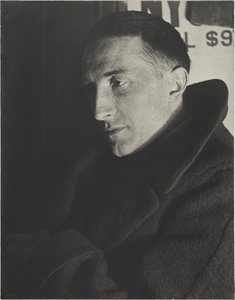
Marcel Duchamp
1887 - 1968 , Frankrig
Hurtige fakta
- Artistic Movement Or Style:
- Kubisme
- Dadaisme
- Konceptuel kunst
- Artists Or Movements Influenced By This Artist:
- Kubisme
- Pop kunst
- Minimalisme
- Date Of Birth: 28 juli 1887
- Date Of Death: 2 oktober 1968
- Full Name: Marcel Duchamp
- Nationality: Fransk-Amerikaner
- Notable Artworks:
- Fontæne
- L.H.O.O.Q.
- Det Store Glas
- Boîte-en-valise
- Place Of Birth: Blainville, Frankrig
Relaterede artikler
Bronzeskulpturers Mestre: 10 Værker der Ændrede Kunsthistorien | AllPaintingsStore
Oplev de 10 mest legendariske bronzeskulpturer, der har formet kunsthistorien! Fra Rodin til Vigeland – lær historierne bag mesterværkerne og find inspiration til din indretning. Køb museumskvalitets reproduktioner på AllPaintingsStore.com.

Alexander Calder: Kinetic Sculpture, Mobile Art & the Poetics of Chance
Explore the revolutionary world of Alexander Calder's kinetic sculptures & mobiles. Discover insights for collectors, acquisition advice, and the enduring legacy of this modern master. Expert analysis & art valuation.

The Enduring Form: Exploring Themes & Techniques in Sculpture Across Historical Periods
Explore the rich history of sculpture from ancient masterpieces to contemporary innovations. Discover key techniques, influential artists & investment potential for discerning art collectors.

The Enduring Form: Sculpture Across History, Technique & Emotional Resonance
Explore the rich history of sculpture with AllPaintingsStore. Discover key techniques, influential artists & investment potential for discerning collectors. Expert insights into valuing and collecting timeless masterpieces.

Top 10 Bronzemesterværker: Kunsthistorien Ændret for Evigt | AllPaintingsStore.dk
Oplev de 10 mest legendariske bronzemesterværker, der har formet kunsthistorien! Fra Rodin til Degas – lær historierne bag ikoniske skulpturer og find inspiration til din indretning. Køb museumskvalitets reproduktioner på AllPaintingsStore.com.


