

1950. Oil On Canvas, 110.0 x 126.0 cm.

§ 1Katalogdata

- 110.0 x 126.0 cm


Dette kunstværk er ophavsretsbeskyttet
Kunstværket vist på denne side er beskyttet af ophavsretsloven, hvilket betyder, at vi ikke lovligt kan skabe eller sælge en identisk reproduktion. Denne beskyttelse håndhæves i henhold til internationale aftaler som f.eks. den Bernerkonventionen og af nationale love, herunder de bestemmelser, der er fastlagt i Amerikansk ophavsretslov - Titel 17.
Som et respektfuldt og lovligt alternativ tilbyder vi skræddersyede, håndmalede kunstværker inspireret af originalen. Vores dygtige og professionelle kunstnere studerer omhyggeligt originalens stil, stemning og kunstneriske essens for at skabe et nyt, unikt værk, der fremkalder den samme følelse – samtidig med at det forbliver en original skabelse i egen ret.
Denne metode overholder fuldt ud ophavsretsreglerne, da den ikke indebærer kopiering eller duplikering af det beskyttede kunstværk. I stedet er der tale om en kreativ nytolkning – et nyt maleri, som er inspireret af det oprindelige, men ikke identisk med det.
 Læs mere
§ 2Abstrakt
Beskrivelse af samlerobjektet
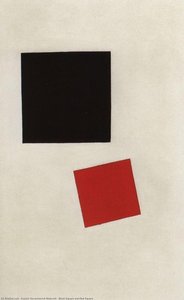
A profound exploration of emotion through muted yellow and brown hues with a bold crimson border, this 1950 Color Field masterpiece by Mark Rothko invites you to immerse yourself in its ethereal, meditative atmosphere.
Kunstnerbiografi
Mark Rothko mestrede Color Field-maleri med Seagram-murals. Oplev den følelsesmæssige kraft i hans ikoniske abstrakte værker i dag.
§ 3Kommentarer
A Meditation on Color and Absence: Examining Mark Rothko’s Untitled Square
The painting, simply titled “Untitled,” presents a deceptively serene visual experience—a square dominated by muted yellow and brown hues bordered by a bold crimson stripe. Yet beneath this surface simplicity lies a profound exploration of emotion and existential contemplation, characteristic of Mark Rothko's pivotal contribution to Abstract Expressionism. Created in 1950, this piece exemplifies the artist’s signature Color Field technique, prioritizing color as its primary expressive tool rather than representational imagery. The canvas itself is treated with meticulous layering of thin washes of pigment—primarily yellow and brown—that bleed into one another, creating an ethereal haze that invites viewers to immerse themselves in a realm beyond concrete form.The Genesis of Emotion: Rothko’s Early Influences
Mark Rothko's artistic vision was deeply rooted in his formative years amidst the anxieties of Jewish life in Latvia during the turbulent period preceding World War II. Witnessing firsthand the horrors of pogroms and grappling with the pervasive political instability instilled within him a sensitivity to human suffering—a preoccupation that would permeate his entire oeuvre. This early exposure profoundly impacted his worldview, shaping his belief that art could convey intangible emotions and spiritual truths. The subsequent relocation to Portland, Oregon, marked not merely a geographical shift but also an encounter with a new cultural landscape, presenting challenges of assimilation alongside the enduring influence of his father’s intellectual fervor.Color Field Painting: A Revolutionary Approach
Rothko's groundbreaking Color Field technique revolutionized painting in the mid-20th century. Rejecting traditional perspective and illusionistic representation, he sought to achieve an emotional impact through expansive blocks of color—often described as “stained glass windows.” The deliberate flatness of these canvases encourages contemplation and invites viewers to engage directly with their own feelings and perceptions. Unlike Impressionists who captured fleeting moments of light and atmosphere, Rothko aimed for a more enduring resonance, striving to evoke profound psychological states rather than depict external reality.Symbolism Within Minimalism: Layers of Meaning
The seemingly austere palette—yellow, brown, and red—is laden with symbolic significance. Yellow represents enlightenment and optimism, while brown embodies earthiness and grounding. The crimson border serves as a visual anchor, framing the luminous rectangles and emphasizing their isolation from the surrounding space. Rothko himself famously stated that he wished to create paintings “that make people feel.” This ambition transcends mere aesthetic pleasure; it seeks to tap into universal human experiences of grief, joy, and transcendence—themes explored through the subtle interplay of color and texture.A Legacy of Quiet Intensity
“Untitled” stands as a testament to Rothko’s unwavering commitment to artistic integrity and his profound belief in the transformative power of art. Its enduring appeal lies not in its visual complexity but in its ability to provoke introspection and evoke emotional resonance—a characteristic that continues to inspire artists and collectors alike. Reproductions crafted by AllPaintingsStore offer an opportunity to experience this masterpiece's contemplative beauty firsthand, preserving its original spirit within a high-quality print.Spørgsmål og svar
Hvordan kan jeg se en forhåndsvisning af en reproduktion af "Untitled" af Mark Rothko?
For at se en forhåndsvisning af en reproduktion af "Untitled" af Mark Rothko, skal du åbne værkets Forhåndsvisning-side.
Hvilken placering passer bedst til formatet på "Untitled" af Mark Rothko?
Med sin Landscape form foreslås en reproduktion af "Untitled" til et Living Room.
Hvem har skabt "Untitled", og i hvilket år?
"Untitled" blev skabt af Mark Rothko i 1950.





 Skift til printsalg


 For kunstværker eller reproduktioner, der er større end 105 cm (ca. 41 tommer) på en hvilken som helst side, vil rammen blive leveret som et adskilt sæt. Denne metode sikrer sikker levering og forhindrer skader under transport.


