


 Se i rummet
 Send
Send Del
Del
 Detaljer
 Studieguide til kunstværker

 Download
 Lignende værker
 Røntgenundersøgelse
 Se diasshow
 Statistik
Stenographic Figure
 Oil On Canvas
- WallArt
- Abstract Expressionism
 1942
1942- Modern
 40.0 x 56.0 cm
 Læs mere
Giclée / Kunsttryk
Giclée- eller lærredstryk i museumskvalitet med hurtig produktion og fleksible muligheder for finish. ( Bestil håndmalet reproduktion Skift til digitalt billede)




P118B Dkr10

P118H Dkr10

P118W Dkr10

P438Z Dkr10

P508JH Dkr12

P508YH Dkr12

P805H Dkr10

P805Z Dkr10

P919BZ Dkr10

P919G Dkr10

P919XJ Dkr10

P959ZH Dkr10

P968JZ Dkr12

W106C Dkr8

W218G Dkr10

W218JH Dkr8

W218Y Dkr10

W307PJ Dkr10

W316G Dkr10

W316PJ Dkr8

W316Y Dkr10

W398PJ Dkr8

W4111J Dkr10

W500HY Dkr15

W500JH Dkr15

W692G Dkr12

W849H Dkr8

W940BG Dkr15

W953PJ Dkr8




Vælg mellem vores forudindstillede størrelser, der matcher kunstværkets originale proportioner.

Indtast den bredde og højde, du har brug for, så det passer til din ramme eller din væg. Et print kan kun beskæres, aldrig gøres større end billedet, så en størrelse med en anden form vil miste en del af motivet. Vi sender dig en digital mockup til godkendelse, før vi printer noget. Billedet vist på denne side viser ikke den faktiske beskæring — det er kun mockuppen, der gør.
Verdensomspændende levering () på 2 uger i stedet for de sædvanlige 4/5 uger. (24 oktober)

Gratis ekspresforsendelse til hele verden

Lærred af linned i høj kvalitet

Komplet transportforsikring

Garanti for refusion af told og importafgifter

Garanti for autentisk farvegengivelse

100 dages returret ved fabrikationsfejl

100% fuld returret

Mængderabat ved flere køb
 Glasmulighed er kun tilgængelig i størrelser under 110 cm

Stenographic Figure
Giclée / Kunsttryk
Reproduktionsstørrelse
-


Samlet pris
Dkr 426
Jackson Pollock’s ‘Stenographic Figure’: A Dance of Chaos and Control
Jackson Pollock's 'Stenographic Figure,' painted in 1942, isn’t merely a depiction of a horse and rider; it’s a visceral embodiment of the anxieties and burgeoning freedom defining Abstract Expressionism at its nascent stage. This oil on canvas, measuring just 40 x 56 cm, offers a captivating glimpse into Pollock's evolving technique – a method he termed “all-over painting” – where the entire surface becomes a field for spontaneous creation, rejecting traditional compositional hierarchies. The work immediately commands attention with its dynamic energy; a chaotic yet meticulously orchestrated scene unfolds before the viewer’s eyes. At first glance, it appears to be a violent attack on a lone rider and his horse, surrounded by a flurry of birds seemingly intent on disrupting the tableau. However, closer inspection reveals a complex interplay of forms, colors, and lines that transcend simple narrative, inviting endless interpretation.
Pollock’s technique in ‘Stenographic Figure’ is revolutionary. He abandoned brushes entirely, opting instead for a method of dripping, pouring, and splattering paint directly onto the canvas laid flat on the floor. This action painting approach allowed him to move freely across the surface, guided by instinct and emotion. The vibrant palette – dominated by intense reds, blues, and ochres – contributes significantly to the work’s emotional impact. Notice how the colors bleed into one another, creating a sense of fluidity and movement that mirrors the frenetic energy depicted in the scene. The seemingly random application of paint is, in fact, carefully considered; Pollock utilized a system of controlled chaos, layering and overlapping his strokes to build depth and texture.
Symbolism Within the Abstract
‘Stenographic Figure’ is rich with symbolic potential, though Pollock himself often resisted definitive interpretations. The central image – the horse and rider – frequently represents humanity's struggle against the forces of nature, a timeless motif explored throughout art history. The birds, swirling around the scene, can be seen as symbols of both freedom and chaos, perhaps reflecting the turbulent period in which the painting was created—a time marked by global conflict and social upheaval. Some scholars suggest they represent the anxieties and uncertainties of the era, while others interpret them as a celebration of liberation and the potential for new beginnings. The rider’s posture – attempting to protect himself from the avian assault – speaks to themes of vulnerability and resilience.
A Bridge Between Surrealism and Action
Pollock's work in ‘Stenographic Figure’ demonstrates a fascinating convergence of influences. While rooted in the burgeoning Abstract Expressionist movement, it also echoes elements of Surrealism and Automatism—a technique championed by artists like André Breton that aimed to tap into the unconscious mind. The seemingly illogical arrangement of figures and forms, combined with Pollock's spontaneous application of paint, creates an atmosphere of dreamlike intensity. Furthermore, there’s a subtle connection to earlier regionalist painters like Thomas Hart Benton, whose dynamic compositions and use of color influenced Pollock in his early career. However, ‘Stenographic Figure’ represents a decisive break from representational art, pushing the boundaries of painting into uncharted territory.
Legacy and Influence
‘Stenographic Figure’ stands as a pivotal work in Jackson Pollock's artistic development and a cornerstone of Abstract Expressionism. Its innovative technique—the “drip” method—inspired generations of artists to explore new ways of creating art, moving away from traditional constraints and embracing spontaneity and emotional expression. Pollock’s willingness to challenge established conventions paved the way for subsequent movements like Pop Art and Minimalism. Today, ‘Stenographic Figure’ continues to fascinate art enthusiasts and scholars alike, offering a profound insight into the mind of one of the 20th century's most influential artists. Reproductions of this captivating piece allow viewers to experience Pollock’s revolutionary vision firsthand, bringing his dynamic energy and symbolic depth into their own spaces.
Spørgsmål & svar
Hvilket rum anbefales "Stenographic Figure" af Jackson Pollock til, når man tager dets farver i betragtning?
Med sin Earthy farvepalette anbefales "Stenographic Figure" af Jackson Pollock til et Living Room. Farverne er en del af årsagen til denne anbefaling.
Er "Stenographic Figure" af Jackson Pollock et velkendt kunstværk?
"Stenographic Figure" er klassificeret som Iconic.
Hvordan relaterer motivet i "Stenographic Figure" sig til Jackson Pollocks sædvanlige temaer?
Blandt Jackson Pollocks registrerede temaer – surrealism echoes, automatism’s flow, picasso-esque forms, miro’s color bursts, human struggle”, “nature's chaos”, “freedom’s symbol” ], "early experimentation" – bringer "Stenographic Figure" sit eget fokus på horse, rider, birds, chaos, surrealism, automatism, dynamic, color.


Om kunstneren
Early Life and the Seeds of Innovation
Paul Jackson Pollock, født den 28. januar 1912 i Cody, Wyoming, var fra barnsben en rastløs sjæl. Hans tidlige liv var præget af hyppige flytninger, da hans far jagte arbejde som landmåler på de store amerikanske vidder. Denne vandrende eksistens indgydte hos den unge Pollock en dyb forbindelse til naturen og en eksponering for forskellige kulturer, især gennem møder med indianerkunst under disse målingsrejser – indtryk der subtilt ville gennemsyde hans kunstneriske vision senere i livet. Selvom han aldrig direkte efterlignede indigene stilarter, var den rå energi og det åndelige resonans af disse tidlige oplevelser utvivlsomt mærkbare i hans arbejde. Pollocks formelle kunstuddannelse begyndte på Manual Arts High School i Los Angeles, efterfulgt af studier på Art Students League of New York under ledelse af Thomas Hart Benton. Benton, en fremtrædende figur i Regionalistbevægelsen, lagde vægt på rytmisk komposition og narrativt temaer rodfæstet i amerikansk liv. Selvom Pollock oprindeligt absorberede disse lektioner, lå hans iboende tilbøjelighed mere mod abstrakte udforskninger. Han blev også dybt berørt af mexicanske muralister som José Clemente Orozco, hvis kraftfulde fremstillinger af social kamp resonerede dybt med ham. Disse tidlige indflydelser lagde et fundament, men det var Surrealismens blomstrende verden, der virkelig låste Pollocks kunstneriske potentiale op.The Birth of Action Painting and a Revolutionary Technique
1930’erne så Pollock eksperimentere med forskellige teknikker, søgende efter alternativer til traditionel pensling. Han begyndte at hælde maling, udforske dens flydende og upredicible natur. Men omkring 1947 gennemgik hans kunstneriske bane en radikal transformation. Afstillede han alt forhåndskonstrueret, lagde Pollock lærreder direkte på gulvet, hvilket initierede hvad der ville blive kendt som hans “drip-teknik”. Han hældte derefter, sprøjtede og kastede maling på lærredet fra oven, orkestrerende en dynamisk dans mellem kunstneren, mediet og overfladen. Dette var ikke blot om at påføre maling; det handlede om at indgyde selve skabelsen. Pollocks lærred blev arenaer for fysisk udtryk, der fangede øjeblikket af hans bevægelser og følelser. De resulterende malerier er karakteriseret ved deres “all-over” komposition – en mangel på central fokus, der inviterer betragteren til at udforske hele overfladen som et forenet energifelt. Intrikate netværk af linjer og farver indvikles med hinanden, hvilket skaber en visuel kompleksitet, der er både fængslende og udfordrende. Han brugte ukonventionelle værktøjer – stænger, knive, endda sprøjter – til at manipulere malingen på upredicible måder, hvilket yderligere fremhævede skabelsens spontanitet. Denne innovative tilgang placerede Pollock som en central figur i det spirende Abstract Expressionist-bevægelse, der opstod i post-krigstidens New York City. Abstract Expressionism prioriterede spontan gestus, stor skala og repræsentationsløs billedkunst, afspejlede en bredere kulturel skift væk fra traditionelle kunstneriske konventioner. Hans ægteskab med kunstneren Lee Krasner var også afgørende; hun ydede urokkelig følelsesmæssig støtte og opfordrede aktivt til hans kunstneriske udvikling, anerkendte den banebrydende karakter af hans arbejde.Iconic Works and Lasting Legacy
Pollocks mest berømte værker – såsom *Number 1, 1950 (Lavender Mist)*, *One: Number 31, 1950*, *Blue Poles: Number 11, 1952* og *Convergence* – er vidnesbyrd om hans revolutionerende teknik. Disse malerier er ikke blot billeder; de er optagelser af en præstation, indgydede med kunstnerens fysiske tilstedeværelse og følelsesmæssige intensitet. Den dynamiske energi, der udgår fra disse lærred, er mærkbar, inviterer betragteren til at fordybe sig i en verden af ren abstraktion. Hans stil transcenderer blot æstetik; det er en udforskning af processen over produktet. Pollock søgte at fange øjeblikket af sine handlinger og følelser på et lærred, afvisende traditionelle begreber om komposition og repræsentation. Han dykkede ned i Jungiansk psykologi, udforskede arketyper og det underbevidste i sin kunst, søgende efter at udnytte universelle symboler og primitive energier. Pollock’s indflydelse på kunsthistorien er uovertruffen. Han ændrede fundamentalt måden kunstnere tilgangede sig maleri på, brød fri fra easel-baserede metoder og omfavnede en mere performativ tilgang. Hans arbejde sikrede New York City's position som et globalt centrum for moderne kunst, skiftede fokus væk fra europæisk dominans. Hans indflydelse kan ses i arbejdet hos utallige kunstnere, der fulgte ham, herunder dem associeret med Color Field painting og senere former for abstrakt ekspressionisme.Influences and Artistic Context
Pollock’s work was deeply influenced by a confluence of artistic movements and ideas. He drew inspiration from the dynamic energy of Mexican muralism, particularly the works of José Clemente Orozco, whose paintings explored themes of social struggle and political upheaval. The Surrealist movement, with its emphasis on the subconscious and dreamlike imagery, also played a significant role in shaping his aesthetic vision. Furthermore, Pollock’s exposure to the work of Thomas Hart Benton, a leading figure in the Regionalist movement, instilled in him an appreciation for narrative storytelling and the depiction of American landscapes. Beyond these specific influences, Pollock's artistic development was shaped by broader cultural shifts occurring in post-war America. The rise of Abstract Expressionism reflected a desire to break free from traditional artistic conventions and embrace new forms of self-expression. Pollock’s willingness to challenge established norms and experiment with unconventional techniques made him a pivotal figure in this movement, paving the way for future generations of artists.Conclusion
Jackson Pollock's legacy extends far beyond his individual paintings. He remains an icon of 20th-century art, a visionary who redefined the possibilities of painting and inspired countless artists to push the boundaries of creative expression. His work continues to resonate with audiences today, reminding us of the power of art to evoke emotion, challenge perceptions, and capture the essence of human experience.
Jackson Pollock
1912 - 1956 , USA
Hurtige fakta
- Artistic Movement Or Style: Abstrakt ekspressionisme
- Artists Or Movements Influenced By This Artist:
- Color Field painting
- Abstrakt ekspressionisme
- Artists Who Influenced This Artist:
- Thomas Hart Benton
- José Clemente Orozco
- Date Of Birth: 28. januar 1912
- Date Of Death: 11. august 1956
- Full Name: Paul Jackson Pollock
- Nationality: Amerikansk
- Notable Artworks:
- Number 1, 1950
- Blue Poles
- Convergence
- Place Of Birth: Cody, Wyoming
Relaterede artikler

Top 10 Abstrakt Ekspressionisme Mesterværker – Kunst der Forandrede Verden | AllPaintingsStore.com
Oplev de 10 mest ikoniske værker inden for Abstrakt Ekspressionisme – Jackson Pollock, Mark Rothko og mere. Lær historien bag kunstnerne & teknikken. Find museumskvalitets reproduktioner på AllPaintingsStore.com.
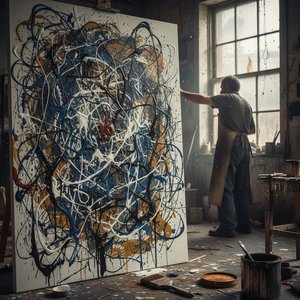
Paul Jackson Pollock: A Radical Departure – Exploring Abstract Expressionism's Pioneering Figure and His Enduring Legacy
Explore the revolutionary art of Jackson Pollock & Abstract Expressionism. Discover his iconic drip paintings, lasting impact, and considerations for collecting this pivotal American artist. Expert insights at AllPaintingsStore.
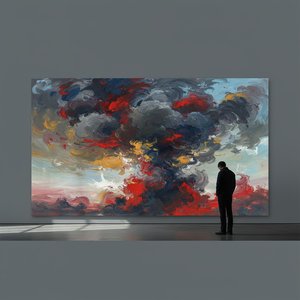
Beyond Representation: Exploring the Emotional Landscape of Abstract Expressionism
Explore the profound emotional world of Abstract Expressionism with AllPaintingsStore. Discover key artists like Pollock & Rothko, learn about collecting, and find museum-quality reproductions to inspire your space.

The Soul of Color: A Journey into the Emotional Resonance of Lyrical Abstraction
Embark on a cultural journey through Lyrical Abstraction. Explore how masters like Kandinsky used color and motion to translate emotion into visual poetry. Discover the profound beauty of abstract expressionism and learn to curate emotional resonance in your own art collection.

Beyond Form: A Definitive Guide to the Emotional Power of Abstract Expressionism
Explore the profound history and emotional depth of Abstract Expressionism. From Jackson Pollock to Mark Rothko, master the nuances of the New York School through our expert art history guide. Discover museum-quality hand-painted reproductions for your collection.


