


 Se i rummet
 Send
Send Del
Del
 Detaljer
 Studieguide til kunstværker

 Download
 Lignende værker
 Røntgenundersøgelse
 Se diasshow
 Statistik
St. George and the Dragon


 Læs mere
Giclée / Kunsttryk
Giclée- eller lærredstryk i museumskvalitet med hurtig produktion og fleksible muligheder for finish. ( Bestil håndmalet reproduktion Skift til digitalt billede)




P118B Dkr10

P118H Dkr10

P118W Dkr10

P438Z Dkr10

P508JH Dkr12

P508YH Dkr12

P805H Dkr10

P805Z Dkr10

P919BZ Dkr10

P919G Dkr10

P919XJ Dkr10

P959ZH Dkr10

P968JZ Dkr12

W106C Dkr8

W218G Dkr10

W218JH Dkr8

W218Y Dkr10

W307PJ Dkr10

W316G Dkr10

W316PJ Dkr8

W316Y Dkr10

W398PJ Dkr8

W4111J Dkr10

W500HY Dkr15

W500JH Dkr15

W692G Dkr12

W849H Dkr8

W940BG Dkr15

W953PJ Dkr8




Vælg mellem vores forudindstillede størrelser, der matcher kunstværkets originale proportioner.

Indtast den bredde og højde, du har brug for, så det passer til din ramme eller din væg. Et print kan kun beskæres, aldrig gøres større end billedet, så en størrelse med en anden form vil miste en del af motivet. Vi sender dig en digital mockup til godkendelse, før vi printer noget. Billedet vist på denne side viser ikke den faktiske beskæring — det er kun mockuppen, der gør.
Verdensomspændende levering () på 2 uger i stedet for de sædvanlige 4/5 uger. (25 oktober)

Gratis ekspresforsendelse til hele verden

Lærred af linned i høj kvalitet

Komplet transportforsikring

Garanti for refusion af told og importafgifter

Garanti for autentisk farvegengivelse

100 dages returret ved fabrikationsfejl

100% fuld returret

Mængderabat ved flere køb
 Glasmulighed er kun tilgængelig i størrelser under 110 cm

St. George and the Dragon
Giclée / Kunsttryk
Reproduktionsstørrelse
-


Samlet pris
Dkr 426
St. George and the Dragon by Raphael
Raphael’s “Saint George and the Dragon,” completed between 1504 and 1506 during his Florentine period, stands as an emblem of Renaissance artistic excellence—a testament to harmonious composition, masterful color palettes, and profound emotional resonance. This diminutive cabinet painting, now housed in the National Gallery of Art in Washington D.C., transcends mere depiction; it embodies the spirit of its time and continues to captivate audiences centuries later.The Artistic Context
Raphael’s genius flourished within the vibrant intellectual milieu of Florence during the High Renaissance, a movement characterized by an unwavering devotion to classical ideals interwoven with Christian faith. Artists like Michelangelo and Leonardo da Vinci sought inspiration from antiquity, mirroring its grandeur and striving for perfection in form and technique—a pursuit mirrored perfectly in Raphael's oeuvre. “St. George and the Dragon” exemplifies this convergence, drawing upon biblical narratives concerning Saint George’s valiant defense of Christendom against pagan evil, while simultaneously grounding itself in the humanist fascination with idealized beauty and proportion.Composition and Symbolism
The painting’s arrangement is deliberately balanced, reflecting Renaissance principles of visual harmony. Saint George, mounted on a magnificent white horse—a symbol of purity and courage—faces down a fearsome dragon, its serpentine form dominating the lower portion of the canvas. The dragon represents chaos and darkness, embodying the forces opposing divine righteousness. Scattered throughout the scene are figures observing the heroic confrontation, adding to the drama and conveying the importance of faith and virtue. Notably, two birds—one positioned near the center-left and another on the right—serve as visual anchors, symbolizing hope and redemption—a recurring motif in Renaissance art reflecting a belief in divine providence.Artistic Techniques
Raphael’s mastery of oil paint is evident in the painting's rich textures and luminous colors. He skillfully employs perspective to create an illusion of depth, drawing inspiration from linear perspective pioneered by Brunelleschi during the construction of Florence Cathedral. Anatomical precision—a hallmark of Renaissance sculpture—is meticulously rendered in Saint George’s musculature and posture, demonstrating Raphael’s unwavering commitment to anatomical accuracy. The artist's meticulous attention to detail contributes significantly to the painting’s emotional impact, conveying a palpable sense of urgency and triumph.Historical Significance
“St. George and the Dragon” holds considerable historical importance as it was originally part of the Pierre Crozat collection and subsequently acquired by Catherine II of Russia in 1772. Its journey through royal collections underscores its enduring artistic value and reflects the shifting tastes of European connoisseurship over time. The painting’s subsequent donation to the National Gallery solidified its place within American art history, ensuring that future generations would appreciate Raphael's unparalleled skill and vision. As a cornerstone of Western painting tradition, “St. George” continues to inspire artists and scholars alike—a timeless masterpiece embodying the ideals of beauty, courage, and faith.- Madonna with Beardless St Joseph by Raphael (Raffaello Sanzio Da Urbino)
- Self-Portrait by Raphael (Raffaello Sanzio Da Urbino)
- Raphael
- Florentine Renaissance art
- Western painting
Spørgsmål & svar
Hvilken farvepalette og hvilken dominerende farve definerer "St. George and the Dragon"?
"St. George and the Dragon" er defineret af en Earthy farvepalette med Espresso (#533f25) som den dominerende farve.
Hvilken national oprindelse ligger bag High Renaissance i "St. George and the Dragon"?
"St. George and the Dragon" blev skabt af Rafael, født i Italien, inden for High Renaissance-bevægelsen. Kunstnerens oprindelse forbinder værket med High Renaissance, som det praktiseres af kunstnere fra Italien.
Er "St. George and the Dragon" af Rafael et lyst eller et mørkt kunstværk?
I forhold til den oplevede lysstyrke er "St. George and the Dragon" af Rafael shadow.
Lignende kunstværker


Om kunstneren
Raffael: Renæssancens Mester fra Urbino
Raffaello Sanzio da Urbino, kendt under navnet Raffael, er en af renæssancens mest betydningsfulde kunstnere. Født i 1483 i den lille, men kulturelt blomstrende bystat Urbino, voksede han op omgivet af en atmosfære præget af både kunstnerisk dygtighed og humanistiske idealer. Hans far, Giovanni Santi, var ikke blot maler hos hertug Federico da Montefeltro, men også en belæst mand med interesse for tidens tanker og strømninger. Han kronikerede hertugens liv og søgte aktivt inspiration fra kunstnere i hele Italien. Denne opvækst i et hofmiljø, hvor raffinement og intellektuel samtale blev værdsat højt, formede den unge Raffaels følsomhed dybt. Tab af faderen i en alder af elleve år pålagde ham ansvar, men gav også mulighed for at udvikle sine færdigheder i familie-værkstedet under vejledning af lokale kunstnere. Selv i disse tidlige værker begyndte en blid elegance og omhyggelig detaljegrad – kendetegnende for hans modne stil – at vise sig.
Fra Umbrien til Firenze: Nye Indflydelser
Raffaels kunstneriske rejse var præget af kontinuerlig udvikling og assimilation. Hans tidlige træning under Pietro Perugino i Perugia lagde et solidt fundament i den umbriske stil – karakteriseret ved bløde former, harmoniske kompositioner og rolige religiøse scener. Men Raffael besad en umættelig nysgerrighed, der drev ham til at søge nye udfordringer og udvide sine kunstneriske horisonter. I 1504 rejste han til Firenze, en by i fuld blomst af kunstnerisk innovation. Her stødte han på mesterværkerne af Leonardo da Vinci og Michelangelo, kunstnere der skubbede maleriets grænser på hidtil usete måder. Han studerede deres teknikker omhyggeligt – Leonardos sfumato, hans subtile lys- og skyggegraderinger, og Michelangelos kraftfulde anatomiske præcision og dramatiske kompositioner. Denne florentinske periode var en skæbnesvanger tid for Raffael, der tvang ham til at konfrontere nye kunstneriske muligheder og syntetisere dem i sin egen unikke vision. Indflydelsen ses tydeligt i den øgede dynamik og psykologiske dybde i hans værker fra denne periode, især i hans serie af Madonna-malerier.
Det Romerske Triumph: Bestillinger og Mesterværker
I 1508 modtog Raffael en indkaldelse, der skulle ændre hans karriere – en invitation fra pave Julius II til at komme til Rom. Dette markerede begyndelsen på hans mest produktive og berømte periode. Den Evige Stad gav ham en enestående mulighed for at fremvise sit talent i stor skala ved at dekorere de pavelige lejligheder i Vatikanet med betagende freskoer. Skolen i Athen, måske hans mest kendte værk, står som et vidnesbyrd om hans mesterskab inden for komposition, perspektiv og filosofisk allegori. Inden for dette majestætiske rum samlede Raffael figurer fra den klassiske antikk – Platon, Aristoteles, Pythagoras, Euklid – og skabte et levende tableau, der fejrede menneskelig fornuft og stræben efter viden. Han fortsatte med at arbejde for efterfølgende paver, Leo X blandt dem, og påtog sig monumentale projekter som dekorationen af Stanze della Segnatura og Stanza d'Eliodoro. Hans freskoer i disse rum er ikke blot dekorative; de er dybe udsagn om pavelig magt, religiøs tro og renæssancens idealer.
En Syntese af Ynde og Storhed: Raffaels Kunstneriske Stil
Raffaels kunstneriske stil beskrives ofte som en harmonisk blanding af ynde, klarhed og idealiseret skønhed. Han besad en ekstraordinær evne til at syntetisere forskellige indflydelser – den umbriske tradition, florentinske innovationer, klassisk antikk – i et unikt balanceret æstetik. Hans kompositioner er omhyggeligt planlagte og udviser en følelse af orden og proportion, der afspejler hans dybe forståelse af renæssanceprincipperne. Hans figurer udstråler en rolig værdighed og emotionel udtryksfuldhed, der legemliggør det humanistiske ideal om menneskelig perfektion. Han var også en mester i farvelægningen og brugte rige, lysende nuancer til at skabe værker, der både er visuelt fængslende og intellektuelt stimulerende. I modsætning til Michelangelos ofte dramatiske og turbulente stil udstråler Raffaels arbejde en følelse af ro og harmoni – en kvalitet, der har gjort ham elsket af publikum i århundreder.
Eftermæle og Varig Indflydelse
Raffaels for tidlige død i 1520 i en alder af syvogtredive år afkortede en karriere fyldt med potentiale. Alligevel består hans arv som en af de mest betydningsfulde figurer i vestlig kunsthistorie. Hans arbejde blev en hjørnesten i den høje renæssances æstetik og tjente som en model for generationer af kunstnere. Mens Michelangelos indflydelse senere dominerede kunstnerisk diskurs, oplevede Raffaels vægt på klarhed, harmoni og idealiseret skønhed en genopblomstring under neoklassicismen, fremmet af kritikere som Johann Joachim Winckelmann. I dag fortsætter hans malerier med at inspirere ærefrygt og beundring og fange seerne med deres tekniske brillante, emotionelle dybde og varige appel. Hans indflydelse kan ses i utallige kunstværker efterfølgende, hvilket cementerer hans plads som en sand mester af renæssancen – en maler, der ikke kun fangede sine emners fysiske lighed, men også essensen af menneskelig ynde og værdighed.
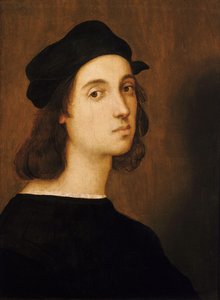
Rafael
1483 - 1520 , Italien
Hurtige fakta
- Bemærkelsesværdige Værker:
- Skolen i Athen
- Sistinske Madonna
- Dødsdato: 6. april 1520
- Fulde Navn: Raffaello Sanzio da Urbino
- Fødested: Urbino, Italien
- Fødselsdato: 6. april 1483
- Kunstnere Der Påvirkede:
- Leonardo da Vinci
- Michelangelo
- Kunstnerisk Stil: Højrenæssancen
- Nationalitet: Italiensk
Relaterede artikler

The Renaissance Masters: A Comparative Study of Leonardo, Michelangelo, and Raphael
Explore the profound technical and philosophical differences between Leonardo, Michelangelo, and Raphael. A deep dive into High Renaissance mastery, from sfumato to anatomical precision, designed for art students and scholars seeking academic depth.

Italian Renaissance Art: A Procurement Guide to Timeless Masterpieces for High-End Hotel Interiors
A professional procurement guide for hotel designers seeking Italian Renaissance masterpieces. Discover how to utilize chiaroscuro, custom oil reproductions, and large-scale murals to elevate hospitality interiors with timeless, high-impact classical art.

Fresco Art Guide: Mastering the Timeless Technique of Wall Painting for Luxury Interior Design
Master the art of fresco for luxury hospitality design. Explore technical insights into historical wall painting and discover how professional-grade, large-scale reproductions can elevate hotel interiors with timeless Renaissance elegance.




![Stanze Vaticane - Fordrivelsen af Heliodorus fra Templet (detalje) [02]](/media/artworks/images-thumb/3a/23/3a2308b63b60b5cb105575e135028d92.jpg)

