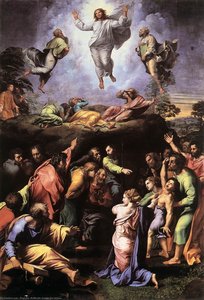
Se i rummet
 Del som kort
 Del
Del
 Detaljer
 Guide
Guide

 Download
 Lignende værker
 Røntgenundersøgelse
 Diasshow
 Q&A
Q&A Statistikker
The sibyls (detail)

 Vis mere
Giclée / Kunsttryk
Giclée- eller lærredstryk i museumskvalitet med hurtig produktion og fleksible muligheder for finish. ( Køb håndmalet maleri Skift til digitalt billede)




P118B Dkr10

P118H Dkr10

P118W Dkr10

P438Z Dkr10

P508JH Dkr12

P508YH Dkr12

P805H Dkr10

P805Z Dkr10

P919BZ Dkr10

P919G Dkr10

P919XJ Dkr10

P959ZH Dkr10

P968JZ Dkr12

W106C Dkr8

W218G Dkr10

W218JH Dkr8

W218Y Dkr10

W307PJ Dkr10

W316G Dkr10

W316PJ Dkr8

W316Y Dkr10

W398PJ Dkr8

W4111J Dkr10

W500HY Dkr15

W500JH Dkr15

W692G Dkr12

W849H Dkr8

W940BG Dkr15

W953PJ Dkr8




Vælg mellem vores forudindstillede størrelser, der matcher kunstværkets originale proportioner.

Indtast den bredde og højde, du har brug for, så det passer til din ramme eller din væg. Et print kan kun beskæres, aldrig gøres større end selve billedet, så en størrelse med et andet format vil medføre, at dele af motivet går tabt. Vi sender dig en digital mockup til godkendelse, før vi printer noget. Billedet vist på denne side viser ikke den faktiske beskæring — det er kun mockuppen, der gør.
Verdensomspændende levering () på 2 uger i stedet for de sædvanlige 4/5 uger. (30 oktober)

Gratis ekspresforsendelse til hele verden

Lærred af linned i høj kvalitet

Fuld transportforsikring

Garanti for refusion af told og importafgifter

Garanti for præcis farvegengivelse

100 dages returret ved fabrikationsfejl

100% fuld returret

Mængderabat ved flere køb
 Glasmulighed er kun tilgængelig i størrelser under 110 cm

The sibyls (detail)
Giclée / Kunsttryk
Størrelse på reproduktion
-


Samlet pris
Dkr 428
The Sibyls: A Glimpse of Prophecy in Raphael’s Roman Masterpiece
Raphael's "The Sibyls," a captivating detail from the larger fresco cycle adorning the chapel at Santa Maria della Pace in Rome, offers a profound meditation on prophecy, knowledge, and the human condition. Completed around 1514, this section of the work stands as a testament to Raphael’s mastery of composition, color, and his deep understanding of classical ideals – all rendered with an exquisite grace that belies the weighty themes it explores. The painting isn't merely a decorative element; it’s a carefully constructed visual narrative, inviting viewers into a world where ancient wisdom intersects with divine inspiration.
The scene depicts four Sibyls—figures from Greek mythology renowned for their prophetic abilities—each poised in a moment of intense contemplation. These women, originating from Cumae, Persia, Phrygia, and Tibute, were believed to have possessed the gift of foresight, delivering oracles to rulers and mortals alike. Raphael’s depiction transcends simple portraiture; he imbues these figures with an almost ethereal quality, their long hair cascading around them like liquid moonlight, their faces etched with a mixture of solemnity and intense concentration. The red dress worn by the central Sibyl immediately draws the eye, creating a focal point within the composition while simultaneously hinting at both passion and divine authority.
A Renaissance Synthesis: Style and Technique
Raphael’s approach to this subject matter is deeply rooted in the High Renaissance tradition, yet subtly departs from earlier Mannerist styles. He skillfully blends elements of classical sculpture—particularly the contrapposto stance evident in the figures' postures—with a heightened sense of realism and emotional depth. The use of *sfumato*, a technique perfected by Leonardo da Vinci, is particularly noticeable here; it softens the edges of the forms, creating an atmospheric haze that contributes to the overall sense of mystery and timelessness. The color palette is restrained yet luminous, dominated by rich reds, blues, and golds—colors associated with royalty, divinity, and wisdom.
Notably, Raphael’s workshop executed much of the fresco cycle, including these Sibyls, based on his original drawings. While some stylistic differences exist between Raphael's designs and the final execution, the core composition and thematic intent remain remarkably consistent. The architectural setting—a trabeated loggia reminiscent of Roman architecture—further reinforces the connection to classical antiquity, suggesting that the Sibyls’ prophecies are not merely divinely inspired but also rooted in a deep understanding of human history and fate.
Symbolism and Prophecy's Weight
The Sibyls themselves are potent symbols. Each represents a different region of the ancient world and, consequently, a distinct source of prophecy. Their presence within the chapel at Santa Maria della Pace—a space dedicated to prayer and contemplation—underscores the importance of seeking guidance from the divine. The angel holding a lighted torch above them is a crucial element, symbolizing the illumination that comes through prophetic insight – dispelling darkness and revealing the future. The Sibyls’ gazes, directed towards an unseen point beyond the frame, invite viewers to contemplate their own role in interpreting the signs of the times.
Furthermore, the Sibyls' connection to the *Stanza della Segnatura*, another fresco cycle within the Vatican Palace, reveals a deliberate thematic continuity. The figures here share similarities with the Virtues depicted in that room—each associated with a specific branch of knowledge and virtue. This reinforces the idea that prophecy is not simply about predicting the future but also about cultivating wisdom and understanding.
A Timeless Masterpiece: Reproduction Possibilities
AllPaintingsStore offers meticulously crafted, hand-painted reproductions of Raphael’s “The Sibyls,” capturing the essence of this iconic artwork with unparalleled detail and fidelity. Whether you seek a stunning addition to your personal collection or a sophisticated piece for interior design, our reproductions provide an authentic representation of Raphael's genius. Each reproduction is created using traditional techniques and archival-quality materials, ensuring its longevity and beauty for generations to come. Explore the available sizes and options on our website to bring this timeless masterpiece into your space.
Spørgsmål og svar
Fra hvilket land stammer High Renaissance-værket "The sibyls (detail)"?
"The sibyls (detail)" forbinder High Renaissance-bevægelsen med Italien gennem skaberens fødested.
Hvordan passer "The sibyls (detail)" ind i Rafaels temaer og stil?
"The sibyls (detail)" deler med Rafaels øvrige værker sin High Renaissance-stil og de gennemgående temaer: humanist ideals, classical references, religious prophecy, divine guidance, papal patronage, roman setting, sibyls’ visions, prophetic art.
Hvad foreslås der at bruge "The sibyls (detail)" af Rafael til?
Det anbefales at bruge et tryk af "The sibyls (detail)" til Statement.
Lignende kunstværker


Kunstnerbiografi
Raffael: Renæssancens Mester fra Urbino
Raffaello Sanzio da Urbino, kendt under navnet Raffael, er en af renæssancens mest betydningsfulde kunstnere. Født i 1483 i den lille, men kulturelt blomstrende bystat Urbino, voksede han op omgivet af en atmosfære præget af både kunstnerisk dygtighed og humanistiske idealer. Hans far, Giovanni Santi, var ikke blot maler hos hertug Federico da Montefeltro, men også en belæst mand med interesse for tidens tanker og strømninger. Han kronikerede hertugens liv og søgte aktivt inspiration fra kunstnere i hele Italien. Denne opvækst i et hofmiljø, hvor raffinement og intellektuel samtale blev værdsat højt, formede den unge Raffaels følsomhed dybt. Tab af faderen i en alder af elleve år pålagde ham ansvar, men gav også mulighed for at udvikle sine færdigheder i familie-værkstedet under vejledning af lokale kunstnere. Selv i disse tidlige værker begyndte en blid elegance og omhyggelig detaljegrad – kendetegnende for hans modne stil – at vise sig.
Fra Umbrien til Firenze: Nye Indflydelser
Raffaels kunstneriske rejse var præget af kontinuerlig udvikling og assimilation. Hans tidlige træning under Pietro Perugino i Perugia lagde et solidt fundament i den umbriske stil – karakteriseret ved bløde former, harmoniske kompositioner og rolige religiøse scener. Men Raffael besad en umættelig nysgerrighed, der drev ham til at søge nye udfordringer og udvide sine kunstneriske horisonter. I 1504 rejste han til Firenze, en by i fuld blomst af kunstnerisk innovation. Her stødte han på mesterværkerne af Leonardo da Vinci og Michelangelo, kunstnere der skubbede maleriets grænser på hidtil usete måder. Han studerede deres teknikker omhyggeligt – Leonardos sfumato, hans subtile lys- og skyggegraderinger, og Michelangelos kraftfulde anatomiske præcision og dramatiske kompositioner. Denne florentinske periode var en skæbnesvanger tid for Raffael, der tvang ham til at konfrontere nye kunstneriske muligheder og syntetisere dem i sin egen unikke vision. Indflydelsen ses tydeligt i den øgede dynamik og psykologiske dybde i hans værker fra denne periode, især i hans serie af Madonna-malerier.
Det Romerske Triumph: Bestillinger og Mesterværker
I 1508 modtog Raffael en indkaldelse, der skulle ændre hans karriere – en invitation fra pave Julius II til at komme til Rom. Dette markerede begyndelsen på hans mest produktive og berømte periode. Den Evige Stad gav ham en enestående mulighed for at fremvise sit talent i stor skala ved at dekorere de pavelige lejligheder i Vatikanet med betagende freskoer. Skolen i Athen, måske hans mest kendte værk, står som et vidnesbyrd om hans mesterskab inden for komposition, perspektiv og filosofisk allegori. Inden for dette majestætiske rum samlede Raffael figurer fra den klassiske antikk – Platon, Aristoteles, Pythagoras, Euklid – og skabte et levende tableau, der fejrede menneskelig fornuft og stræben efter viden. Han fortsatte med at arbejde for efterfølgende paver, Leo X blandt dem, og påtog sig monumentale projekter som dekorationen af Stanze della Segnatura og Stanza d'Eliodoro. Hans freskoer i disse rum er ikke blot dekorative; de er dybe udsagn om pavelig magt, religiøs tro og renæssancens idealer.
En Syntese af Ynde og Storhed: Raffaels Kunstneriske Stil
Raffaels kunstneriske stil beskrives ofte som en harmonisk blanding af ynde, klarhed og idealiseret skønhed. Han besad en ekstraordinær evne til at syntetisere forskellige indflydelser – den umbriske tradition, florentinske innovationer, klassisk antikk – i et unikt balanceret æstetik. Hans kompositioner er omhyggeligt planlagte og udviser en følelse af orden og proportion, der afspejler hans dybe forståelse af renæssanceprincipperne. Hans figurer udstråler en rolig værdighed og emotionel udtryksfuldhed, der legemliggør det humanistiske ideal om menneskelig perfektion. Han var også en mester i farvelægningen og brugte rige, lysende nuancer til at skabe værker, der både er visuelt fængslende og intellektuelt stimulerende. I modsætning til Michelangelos ofte dramatiske og turbulente stil udstråler Raffaels arbejde en følelse af ro og harmoni – en kvalitet, der har gjort ham elsket af publikum i århundreder.
Eftermæle og Varig Indflydelse
Raffaels for tidlige død i 1520 i en alder af syvogtredive år afkortede en karriere fyldt med potentiale. Alligevel består hans arv som en af de mest betydningsfulde figurer i vestlig kunsthistorie. Hans arbejde blev en hjørnesten i den høje renæssances æstetik og tjente som en model for generationer af kunstnere. Mens Michelangelos indflydelse senere dominerede kunstnerisk diskurs, oplevede Raffaels vægt på klarhed, harmoni og idealiseret skønhed en genopblomstring under neoklassicismen, fremmet af kritikere som Johann Joachim Winckelmann. I dag fortsætter hans malerier med at inspirere ærefrygt og beundring og fange seerne med deres tekniske brillante, emotionelle dybde og varige appel. Hans indflydelse kan ses i utallige kunstværker efterfølgende, hvilket cementerer hans plads som en sand mester af renæssancen – en maler, der ikke kun fangede sine emners fysiske lighed, men også essensen af menneskelig ynde og værdighed.
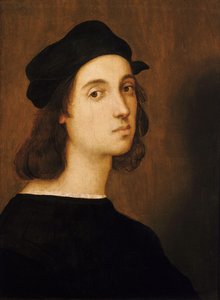
Rafael
1483 - 1520 , Italien
Kort om kunstneren
- Bemærkelsesværdige Værker:
- Skolen i Athen
- Sistinske Madonna
- Dødsdato: 6. april 1520
- Fulde Navn: Raffaello Sanzio da Urbino
- Fødested: Urbino, Italien
- Fødselsdato: 6. april 1483
- Kunstnere Der Påvirkede:
- Leonardo da Vinci
- Michelangelo
- Kunstnerisk Stil: Højrenæssancen
- Nationalitet: Italiensk
Relaterede artikler

Fresco Art Guide: Mastering the Timeless Technique of Wall Painting for Luxury Interior Design
Master the art of fresco for luxury hospitality design. Explore technical insights into historical wall painting and discover how professional-grade, large-scale reproductions can elevate hotel interiors with timeless Renaissance elegance.