


 Se i rummet
 Send
Send Del
Del
 Detaljer
 Guide
Guide

 Download
 Lignende værker
 Røntgenundersøgelse
 Se diasshow
 Statistik
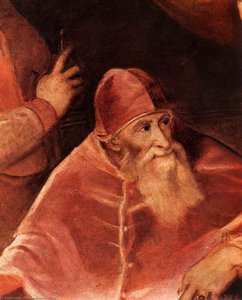
The Pilgrims Meet the Pope (detail)


 Læs mere
Giclée / Kunsttryk
Giclée- eller lærredstryk i museumskvalitet med hurtig produktion og fleksible muligheder for finish. ( Bestil håndmalet reproduktion Skift til digitalt billede)




P118B $10

P118H $10

P118W $10

P438Z $10

P508JH $12

P508YH $12

P805H $10

P805Z $10

P919BZ $10

P919G $10

P919XJ $10

P959ZH $10

P968JZ $12

W106C $8

W218G $10

W218JH $8

W218Y $10

W307PJ $10

W316G $10

W316PJ $8

W316Y $10

W398PJ $8

W4111J $10

W500HY $15

W500JH $15

W692G $12

W849H $8

W940BG $15

W953PJ $8




Vælg mellem vores forudindstillede størrelser, der matcher kunstværkets originale proportioner.

Du kan indtaste dine egne mål for at passe til en specifik ramme eller et bestemt område. Hvis den valgte størrelse ikke stemmer overens med det originale billedes proportioner, vil vi enten beskære kunstværket eller udvide billedet med en spejlet eller ensfarvet kant. En digital mockup vil blive sendt til din godkendelse, før produktionen påbegyndes.
Bemærk venligst, at forhåndsvisningen på skærmen ikke afspejler den faktiske beskæring eller udvidelse. Kun mockuppen vil nøjagtigt vise den endelige komposition.
Selvom specialmål er tilgængelige, anbefaler vi at vælge et mål fra den foruddefinerede liste for at bevare de originale proportioner.
Verdensomspændende levering () på 2 uger i stedet for de sædvanlige 4/5 uger. (21 september)

Gratis ekspresforsendelse til hele verden

Lærred af linned i høj kvalitet

Komplet transportforsikring

Garanti for refusion af told og importafgifter

Garanti for autentisk farvegengivelse

100 dages returret ved fabrikationsfejl

100% fuld returret

Mængderabat ved flere køb
 Glasmulighed er kun tilgængelig i størrelser under 110 cm

The Pilgrims Meet the Pope (detail)
Giclée / Kunsttryk
Reproduktionsstørrelse
-


Samlet pris
$ 65
A Window into Venetian Life: The Pilgrims Meet the Pope
Vittore Carpaccio’s “The Pilgrims Meet the Pope” (detail) is not merely a depiction of a historical event; it's a meticulously crafted tableau vivant, a vibrant snapshot of 15th-century Venice brimming with religious fervor and civic pride. Painted around 1492, this tempera on canvas panel offers an intimate glimpse into the heart of Venetian society – a world where art, faith, and commerce intertwined seamlessly. The scene unfolds within the grand setting of Rome’s Castel Sant'Angelo, a fortress transformed into a stage for a momentous encounter between pilgrims and the Pope. Carpaccio masterfully utilizes perspective and light to draw the viewer into this bustling gathering, creating an illusion of depth and immediacy that transcends the limitations of the medium.
- Composition & Perspective: Carpaccio’s genius lies in his calculated arrangement of figures and his innovative use of perspective. The scene is dominated by a central pyramid formed by Pope Cyriacus, flanked by the English Prince and Ursula, creating a sense of stability and importance. Notice how Carpaccio employs atmospheric perspective – distant figures are rendered paler and less detailed, reinforcing the illusion of space.
- Color Palette: The painting’s rich palette—a harmonious blend of reds, blues, and golds—immediately captivates the eye. The vibrant red robes of the papal court contrast sharply with the cooler tones of the pilgrims' garments, drawing attention to the central figures.
- Detail & Ornamentation: Carpaccio’s meticulous attention to detail is remarkable. From the intricate folds of the drapery to the delicate rendering of facial features, every element contributes to the painting’s overall realism and sense of immediacy. The sheer number of details—the clarion players on the castle's bastions, the ivy clinging to the walls—demonstrates Carpaccio’s commitment to capturing the richness and complexity of Venetian life.
The Legacy of Early Netherlandish Influence
Carpaccio’s style is often described as a synthesis of early Netherlandish painting – particularly the work of Antonello da Messina – with the more conservative tendencies of Venetian art during his time. Unlike the burgeoning Renaissance humanism that was transforming Italy, Carpaccio remained rooted in a more traditional approach, prioritizing narrative clarity and meticulous detail over idealized beauty or dramatic emotion. This influence is evident in his use of precise linear perspective, his careful observation of natural forms, and his penchant for depicting scenes with a sense of realism and immediacy. He absorbed the lessons of artists like Jan van Eyck and Rogier van der Weyden, incorporating their techniques into his own distinctive style.
Carpaccio’s work stands apart from the more flamboyant styles of his contemporaries, such as Giovanni Bellini, due to its restrained palette and focus on narrative detail. He eschewed the use of bright colors and dramatic lighting in favor of a more subdued and contemplative approach.Symbolism & Religious Narrative
“The Pilgrims Meet the Pope” is not simply a historical record; it’s a complex allegory laden with religious symbolism. The painting depicts a pivotal moment in the legend of Saint Ursula, recounting her journey to Rome to receive relics from the Pope. Each figure—the pilgrims, the clergy, and the papal court—represents a specific role within the Christian community. The presence of the English Prince underscores England’s allegiance to the papacy, while the numerous bishops and prelates symbolize the authority and power of the Church. The scene itself is imbued with a sense of pilgrimage – a journey of faith undertaken for spiritual enlightenment. The inclusion of figures like Ermolao Barbaro, a prominent humanist scholar and Venetian ambassador, highlights the intersection of religious belief and intellectual inquiry during this period.
A Window into 15th-Century Venice
Beyond its religious significance, “The Pilgrims Meet the Pope” offers a valuable glimpse into the vibrant culture of 15th-century Venice. The painting captures the city’s wealth, power, and civic pride – its bustling markets, magnificent palaces, and thriving artistic community. Carpaccio's meticulous depiction of Venetian architecture, fashion, and social customs provides a rich source of information for art historians and scholars alike. Reproducing this artwork allows us to experience a moment in time, transporting us back to the heart of Renaissance Venice. The painting’s enduring appeal lies not only in its artistic merit but also in its ability to connect us to a distant past.
Lignende kunstværker



Om kunstneren
Vittore Carpaccio – En Venetians Kunstnerisk Pioner
Vittore Carpaccio var en italiensk maler født omkring 1465 i Venezia og død i samme byen år 1526. Han udgjorde et af de tidlige højdepunkter inden for den venetianske renæssancekunst, hvor han skilte sig ud ved sin konservative stil og begrænsede eksponering for humanistiske tendenser, der dominerede kunstverdenen på hans tidspunkt. Carpaccio studerede under Gentile Bellini, en førende kunstner i den venetianske skole, hvilket gav ham et solidt fundament til fremtidig succes. Denne uddannelse var afgørende for hans udvikling som kunstner og hans evne til at forme sin egen unikke kunstneriske identitet.Kunstnerisk Stil og Påvirkninger
Carpaccio prægede sig ved en stil, der var karakteriseret af forsigtighed og fokus på traditionelle teknikker. Han var mindre følsom for den humanistiske revolution, der ændrede italiensk kunst i løbet af renæssancen end mange af sine samtidige. Hans arbejde blev betydeligt formet af Antonello da Messinas stil og tidlig nordisk kunst – en kombination, der skabte en distinkt venetiansk kunstnerisk profil. Denne påvirkning manifesterede sig i hans brug af lys og farve samt hans kompositionelle valg, hvilket gjorde hans værker til et fascinerende møde mellem italiensk og nordisk kunsttradition. Han var blandt de første til at udforske nye perspektiver og teknikker inden for oliemaleri, hvilket bidrog til den udvikling, der skulle præge hele renæssancen.Bemærkelsesværdige Arbejder
Carpaccio er mest kendt for sin monumentale cyklus "Saint Ursula's Legend," hvor han fortæller historien om Sankt Ursulas liv og martyrdom gennem ni imponerende malerier. Disse værker blev udført mellem 1490 og 1519 og anses for at være nogle af hans bedste og mest betydningsfulde kunstværker. Cyklussen er nu udstillet på Gallerie dell'Accademia i Venezia og demonstrerer Carpaccio’s mesterskab inden for narrativ maleri – en genre, hvor han var blandt de førende kunstnere. Udover denne cyklus skabte han også "Glory of Saint Ursula Altarpiece," hvor han perfekt gengav Sankt Ursulas ære og liturgi ved hjælp af lys og farve, hvilket efterlignede Giovanni Bellinis stil. Desuden præsterede Carpaccio i "Miracle of the Relic of the Cross at Ponte Rialto," hvor han formåede at balancere komposition og fortælling på en måde, der var både teknisk imponerende og følelsesmæssigt engagerende. Disse værker er ikoniske eksempler på venetiansk kunst fra renæssancen og fortsætter med at fascinere kunsthistorikere og publikum verden over.Karriere og Eftervirkning
Carpaccio var aktiv kunstner mellem 1490 og 1519 og blev dermed en af de tidlige hovedpersoner inden for den venetianske renæssancekunst. Han var blandt de mest produktive kunstnere på sin tid og efterlod sig et betydeligt kunstnerisk arv, der stadig studeres og fejres i dag. Hans arbejde blev ofte overset sammenlignet med andre prominente venetianske kunstnere som Giovanni Bellini og Giorgione – hvilket måske skyldes hans relativt begrænsede udstilling af værker uden for Italien. På trods af dette er Carpaccio’s kunstværker fortsat et vigtigt fokuspunkt inden for forskningen i italiensk renæssancekunst og hans stil har haft en varig indflydelse på efterfølgende kunstnere og kunsthistorikere. Han repræsenterer en unik stemme inden for den venetianske kunstscene og er en af de få kunstnere fra denne periode, hvis arbejde fortsat kan udforske nye perspektiver på både kunstnerisk teknik og fortællingens betydning.
Vittore Carpaccio
1465 - 1526 , Italien
Hurtige fakta
- Artistic Movement Or Style: Tidlig venetiansk renæssance
- Artists Who Influenced This Artist:
- Gentile Bellini
- Antonello da Messina
- Date Of Birth: Venice, Italien omkring 1465
- Date Of Death: 1526
- Full Name: Vittore Carpaccio
- Nationality: Italiensk
- Notable Artworks:
- Legenden om Sankt Ursula
- Glorien af Sankt Ursula Altarpiece
- Miraklet ved korsets relikvie ved Ponte di Rialto
- Place Of Birth: Venetien
Relaterede artikler
Francis Bacons 25 Mesterværker: En Kunstnerisk Rejse | AllPaintingsStore.dk
Oplev Francis Bacons 25 mest ikoniske malerier. Fordyb dig i hans ekspressive stil, rå følelser og unikke teknikker. Find inspiration til din boligindretning & køb museumskvalitets reproduktioner på AllPaintingsStore.com.

Thomas Stothard: Bridging Neoclassical Ideals with Romantic Sensibility – A Reassessment
Explore the life & art of Thomas Stothard (1755-1834), a pivotal figure bridging Neoclassicism and Romanticism. Discover his exquisite book illustrations, iconic paintings like 'The Canterbury Pilgrims,' and lasting influence on British art.

Vittore Carpaccio: Venetian Renaissance Narrative & the Poetics of Detail
Explore the captivating world of Vittore Carpaccio, a master storyteller of the Venetian Renaissance. Discover his intricate details, narrative cycles like 'The Legend of St. Ursula,' and unique artistic style.

Timeless Italy: A Visual Journey Through Iconic Masterpieces and Eternal Landscapes
Embark on a visual journey through Italy's most iconic landscapes and Renaissance masterpieces. Discover the profound beauty of classical art, from Venetian altarpieces to serene countryside vistas, curated for the discerning art enthusiast and collector.


