


 Se i rummet

 Del som kort
 Del
 Detaljer
 Guide


 Download
 Lignende værker
 Røntgenundersøgelse
 Diasshow
 Spørgsmål og svar
 Statistikker
Uden titel af William Morris

- 57.0 x 962.0 cm


 Vis mere
Giclée / Kunsttryk
Giclée- eller lærredstryk i museumskvalitet med hurtig produktion og fleksible muligheder for finish. ( Køb håndmalet maleri Skift til digitalt billede)


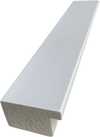
P118B Dkr10
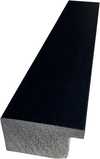
P118H Dkr10
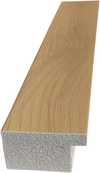
P118W Dkr10

P438Z Dkr10
P508JH Dkr12

P508YH Dkr12
P805H Dkr10
P805Z Dkr10
P919BZ Dkr10
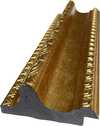
P919G Dkr10
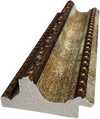
P919XJ Dkr10
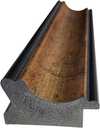
P959ZH Dkr10
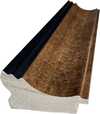
P968JZ Dkr12
W106C Dkr8
W218G Dkr10

W218JH Dkr8
W218Y Dkr10
W307PJ Dkr10

W316G Dkr10
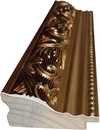
W316PJ Dkr8
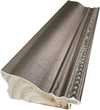
W316Y Dkr10
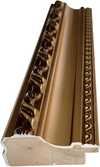
W398PJ Dkr8
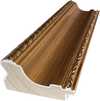
W4111J Dkr10
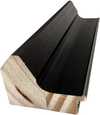
W500HY Dkr15
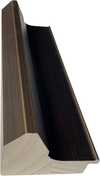
W500JH Dkr15
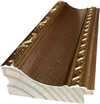
W692G Dkr12
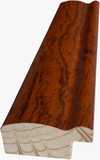
W849H Dkr8
W940BG Dkr15
W953PJ Dkr8
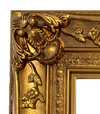
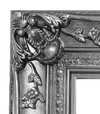
Vælg mellem vores forudindstillede størrelser, der matcher kunstværkets originale proportioner.

Indtast den bredde og højde, du har brug for, så det passer til din ramme eller din væg. Et print kan kun beskæres, aldrig gøres større end selve billedet, så en størrelse med et andet format vil medføre, at dele af motivet går tabt. Vi sender dig en digital mockup til godkendelse, før vi printer noget. Billedet vist på denne side viser ikke den faktiske beskæring — det er kun mockuppen, der gør.
Verdensomspændende levering () på 2 uger i stedet for de sædvanlige 4/5 uger. (16 november)

Gratis ekspresforsendelse til hele verden

Lærred af linned i høj kvalitet

Fuld transportforsikring

Garanti for refusion af told og importafgifter

Garanti for præcis farvegengivelse

100 dages returret ved fabrikationsfejl

100% fuld returret

Mængderabat ved flere køb
 Glasmulighed er kun tilgængelig i størrelser under 110 cm

None
Giclée / Kunsttryk
Størrelse på reproduktion
-


Samlet pris
Dkr 432
Identification of the Pimpernel Wallpaper Design
The wallpaper design known as Pimpernel emerged from the mind of William Morris around 1876. This work reflects the vision of the English architect, designer, craftsman and theorist William Morris. It captures a specific moment in the late nineteenth century when the lines between domestic utility and fine art began to blur. The pattern seeks to bring the quiet rhythms of the natural world into the structured interiors of the Victorian era.
William Morris conceived this design as a way to integrate botanical life into the fabric of the home. The Pimpernel pattern is a wallpaper design that relies on the repetition of organic forms. It functions as a visual echo of the garden, translated into a rhythmic sequence of flora. Each line follows the logic of a growing stem or a reaching leaf.
The work exists as a structured arrangement of botanical elements. It is a product of the Arts and Crafts movement, born from a desire to prioritize the hand of the maker. Through this design, the artist sought to find a balance between the wildness of nature and the order of the printed surface. A single petal rests in the stillness of the pattern.
Visual Composition and Floral Motifs
Curvilinear acanthus leaves wind through the space, creating a rhythmic movement across the surface. These forms intertwine with climber willow and honeysuckle branches, forming a dense, interlocking network. The pattern relies on an intricate and detailed arrangement where every leaf and stem finds its place within the organic geometry. It is a quiet, structured growth.
Chrysanthemums and jasmines emerge from the foliage, their shapes softened by the surrounding greenery. Willow branches weave through the composition, adding a sense of layered depth to the botanical scene. The color palette remains restrained, dominated by shades of blue that suggest a calm, shaded garden. Ivory and pale greens provide a delicate contrast to these deeper tones.
Technique and Material Production
The creation of this design relied on the steady hand of the artisan. Using hand-printing techniques, the intricate floral patterns were pressed onto linen fabric. Each movement of the printer required precision to ensure the botanical forms appeared with a remarkable level of realism. The texture of the linen holds the ink, grounding the delicate shapes of the pimpernel and willow in a tangible, physical reality.
This labor-intensive process reflects a deep commitment to traditional artisanal skills. Rather than the sterile repetition of a machine, the work carries the weight of meticulous human effort. Every stem and leaf was placed with a specific intent, honoring the slow rhythm of manual craft. The final result is a surface where the organic lines of nature meet the disciplined touch of the maker.
Artistic Style and Movement Influence
The design belongs to the Arts and Crafts Movement, a reaction against the cold precision of the industrial age. It seeks a return to the hand of the maker. This piece carries a distinct Oriental influence, pulling from the quietude of the Far East to reshape Victorian interiors. The patterns do not shout; they whisper through a lens of Japonisme.
Eastern stylistic conventions dictate the flow of the composition. The work reflects the influence of Japanese design principles, favoring a restrained elegance over heavy ornamentation. It is a translation of distant aesthetics into a local language of line and form. The curvilinear movement of the stems mirrors the serene balance found in Japanese art.
This aesthetic approach creates a bridge between two worlds. The pattern uses the logic of the East to find a new rhythm for the English home. It is a quiet rebellion of nature against the machine. A single leaf rests in perfect, deliberate balance.
Current Location and Museum Collection
The Pimpernel wallpaper design resides within the Nacionálny múzeum dekoratívneho umelí Madrid. This collection preserves the work in Madrid, Spain. It remains a part of the National Museum of Decorative Arts. The physical presence of the piece is defined by its long, narrow scale, measuring 57 x 962 cm.
The museum halls hold this linen fragment. It rests as a quiet specimen of the Arts and Crafts Movement. The blue hues and floral lines exist here, kept within the Spanish institution. A stillness settles over the pattern in its current home.
Spørgsmål og svar
Hvilke andre navne er William Morris kendt under?
William Morris er også kendt som Ingen andre kendte.
Lignende kunstværker


Kunstnerbiografi
William Morris (1834-1896): A Life Rooted in Nature and Romance
William Morris, born on March 24, 1834, in Walthamstow, Essex, emerged from a comfortably affluent middle-class background—a circumstance that afforded him the freedom to pursue passions rather than professions. His father’s success as a financier provided not only security but also an environment where aesthetic sensibilities could flourish. Morris's childhood was deeply shaped by the English countryside surrounding his home and a fascination with tales of medieval chivalry, laying the groundwork for a lifelong devotion to both natural beauty and romantic narratives. These early influences weren’t merely sentimental; they formed the core of his artistic philosophy. He wasn’t simply *inspired* by nature or the past—he believed in their inherent moral and aesthetic superiority to the rapidly industrializing present. His formal education at Oxford University initially steered him toward a clerical path, but it was within the vibrant intellectual circles of the university that his true calling began to take shape. He joined “The Set,” a group of students who shared an intense interest in art, literature, and medieval history, forging friendships—most notably with Edward Burne-Jones—that would profoundly impact his artistic trajectory. It was during this period that he encountered the writings of John Ruskin, whose critique of industrial society and advocacy for craftsmanship resonated deeply with Morris’s burgeoning beliefs.The Arts & Crafts Revolution
Following Oxford, a brief foray into architecture quickly gave way to painting, as Morris collaborated with Dante Gabriel Rossetti on mural projects. However, it was the founding of Morris, Marshall, Faulkner & Co. in 1861—later known simply as Morris & Co.—that marked a pivotal moment, not just in his career but in the history of design. This wasn’t merely a business venture; it was an attempt to create a new way of life, one where art permeated every aspect of daily existence and craftsmanship was valued above all else. Alongside Burne-Jones, Rossetti, Philip Webb, and others, Morris sought to revive traditional techniques and produce beautiful, well-made objects for the home. The firm’s early work was profoundly influenced by Red House, a home Morris commissioned from Webb—a structure that embodied the Arts & Crafts ideal of creating a unified aesthetic environment through handcrafted furnishings and decoration. Morris became a leading voice in the burgeoning Arts & Crafts movement, championing handmade craftsmanship as an antidote to the perceived dehumanizing effects of mass production. He believed passionately that art should be accessible to all, not just the wealthy elite, and that it should be integrated into everyday life—a radical notion at a time when design was often seen as separate from function. This wasn’t abstract theorizing; he actively supported various socialist causes and used his platform to raise awareness about the plight of working people. He envisioned a society where beauty and utility harmoniously coexisted, rejecting the utilitarian dogma that dominated Victorian thought.A Legacy Woven in Textiles, Poetry, and Print
Morris’s artistic output spanned diverse mediums—painting, sculpture, illustration, poetry, and design—each reflecting his unwavering commitment to naturalism and romantic idealism. His paintings often depicted scenes from medieval legends and folklore, imbued with vibrant colors and meticulous detail. He was particularly celebrated for his depictions of biblical narratives, capturing the grandeur and emotion of these stories with masterful brushstrokes. However, it was Morris’s textile designs that cemented his reputation as one of the most influential decorative artists of his era. These weren't merely patterns; they were elaborate narratives woven with flowing floral motifs, lush foliage, and rich, evocative colors—a deliberate rejection of the repetitive geometric designs favored by industrial manufacturers. He meticulously researched botanical specimens and experimented with dyeing techniques to achieve unparalleled hues and textures. His wallpapers mirrored this ethos, eschewing sterile imitation for bold compositions inspired by nature’s rhythms and forms. Morris understood that beauty wasn't merely superficial; it possessed a moral dimension—a reflection of the natural order and a celebration of human creativity.Socialism, Conservation, and Enduring Influence
Morris’s intellectual convictions extended beyond aesthetics into the realm of social reform. He was deeply affected by Ruskin’s critique of industrial capitalism and championed the cause of workers' rights with unwavering conviction. He believed that true progress demanded not only economic prosperity but also ethical considerations—a stance that informed both his artistic endeavors and his political activism. Morris actively campaigned for improved working conditions, fair wages, and social justice, recognizing that a flourishing society required compassion and solidarity. Furthermore, he possessed a profound appreciation for the natural world and advocated for its preservation—a conviction that resonated deeply with the growing anxieties about environmental degradation in the late Victorian period. He established The Kelmscott Press to produce books of exceptional quality using traditional printing methods—a deliberate rebuke to the mechanized production of mass-produced publications. Morris’s legacy continues to inspire artists, designers, and thinkers today—his insistence on craftsmanship, natural beauty, and social responsibility remains as relevant as it was in the 19th century. He demonstrated that art could serve as a catalyst for societal transformation, fostering empathy, promoting ethical values, and safeguarding the heritage of humankind.
William Morris
1834 - 1896 , Storbritannien
Kort om kunstneren
- Artistic Movement Or Style: Arts & Crafts
- Artists Who Influenced This Artist:
- John Ruskin
- Edward Burne-Jones
- Date Of Birth: 24 marts 1834
- Date Of Death: 3 oktober 1896
- Full Name: William Morris
- Nationality: Engelsk
- Notable Artworks:
- Sun and moon angels
- Oak leaves in All Saints
- Judas Maccabaeus
- Place Of Birth (City And Country): Walthamstow, UK
Relaterede artikler

25 Must-See Masterpieces at the Museo del Prado, Madrid
Journey through history with the 25 greatest masterpieces of Madrid's Museo del Prado. From Velázquez to Goya, explore the stories behind these iconic works and find museum-quality art reproductions for your decor. Discover all masterpieces on AllPaintingsStore.com.

Victorian Botanical Art: A Professional Guide to Sourcing Timeless Floral Reproductions for Luxury Hotel Interiors
Elevate hospitality interiors with premium Victorian botanical art reproductions. A professional guide for hotel designers on sourcing hand-painted oils and large-scale murals, featuring expert procurement advice, bulk ordering, and reliable global logistics for luxury spaces.

Orientalism Art Movement: An Expert Guide to Exoticism and Masterpiece Reproductions for Luxury Interior Design
Master the use of Orientalist art in luxury hospitality. Our expert guide explores 19th-century masterpieces, offering professional insights for hotel designers sourcing high-quality, hand-painted oil reproductions and large-scale murals to create evocative, exotic interiors.
