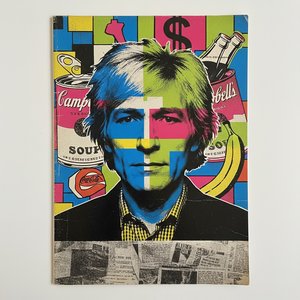
Das frühe Leben von Andy Warhol
Um die Mechanik des modernen Bildes zu verstehen, muss man zurückblicken in den industriellen Schmutz von Pittsburgh, Pennsylvania. Andy Warhol wurde am 6. August 1928 als Andrew Warhola Jr. in ein Arbeiterumfeld hineingeboren, dem jeglicher Anspruch auf Hochkultur fehlte. Er war der jüngste von drei Söhnen, geboren von Andrej Warhola und Julia Zavacky Warhola. Seine Eltern waren Einwanderer aus der europäischen Region, die heute zur Slowakei gehört – ein Hintergrund, der ihn in einer ganz spezifischen, ungeschönten amerikanischen Realität verwurzelte. Diese Abstammung schuf die grundlegende Spannung zwischen der Erfahrung der Einwanderer und der konsumorientierten Explosion, die er später dokumentieren sollte.
Die Stabilität seiner frühen Jahre wurde durch die Realitäten der industriellen Arbeit und durch Krankheiten jäh unterbrochen. Sein Vater arbeitete in einer Kohlemine, ein Beruf, der die wirtschaftliche Landschaft der Familie prägte, bis er 1942 an tuberkulöser Peritonitis verstarb. Dieser Verlust ereignete sich, als Warhol erst vierzehn Jahre alt war – eine Zeit, die die häusliche Sicherheit seiner Jugend mit einem Schlag entzog. Der Haushalt war geprägt von der Härte der Landschaft von Pittsburgh und dem plötzlichen Ausbleiben des Hauptverdieners. Diese frühen Jahre waren kein Vorspiel auf den Ruhm, sondern eine Zeit der nackten, materiellen Notwendigkeit.
Kindheitskrankheit und frühe Kreativität
Die visuelle Sprache, die schließlich ein ganzes Jahrhundert definieren sollte, nahm ihren Anfang in der erzwungenen Stille eines Krankenzimmers. Eine Kindheitserkrankung an der Sydenham-Chorea, auch bekannt als Tanztrotz oder St. Vitus’ Tanz, zwang ihn über lange Zeiträume zur häuslichen Isolation. Doch diese Gefangenschaft war kein Vakuum; sie war eine Phase intensiver, fokussierter Beobachtung. Er verbrachte diese Tage damit, zu zeichnen und Scrapbooks aus Hollywood-Magazinen zu basteln, wobei er die glänzenden, künstlich erschaffenen Gesichter einer fernen Starkultur in sich aufsaugte. Seine Mutter lieferte das wesentliche Rohmaterial: Comic-Hefte und Filmzeitschriften. Dies waren die ersten Bilder, die er zu entschlüsseln lernte, und sie begründeten eine Vorliebe für das Massenproduzierte gegenüber dem Unikaten.
Dieses frühe Eintauchen in die Welt der Printmedien schuf eine ganz spezifische Art des Sehens. Er betrachtete die Welt nicht durch eine klassische Linse, sondern durch die gesättigte, repetitive Bildsprache der Magazinseiten. Seine Faszination für die Kamera entwickelte sich parallel zu diesem visuellen Training. Es bereitete ihm Freude, die Kodak Baby Brownie Special der Familie zu nutzen, um seine Umgebung einzufangen. Dieses Interesse wurde von seiner Familie ernst genommen; sein Vater und seine Brüder bauten ihm einen Dunkelkammer-Raum im Keller. Diese Ausstattung ermöglichte ihm den Übergang von der bloßen Beobachtung zur technischen Manipulation von Bildern – eine Fähigkeit, die später das Fundament für seinen gesamten Ansatz der Reproduktion bilden sollte.
Formale Ausbildung und kommerzieller Erfolg
Der Übergang von Andy Warhol vom Studenten zum Profi wurde durch eine technische Präzision vorangetrieben, die er während seiner formalen Ausbildung erlernte. Nach dem Besuch der Holmes Elementary School und der Schenley High School widmete er sich dem Studium am Carnegie Institute of Technology. Im Jahr 1949 schloss er sein Studium mit einem Bachelor of Fine Art in Pictorial Design ab. Diese spezifische Ausbildung legte das strukturelle Fundament für eine Karriere, die letztlich die Grenze zwischen Hochkunst und kommerzieller Bildsprache einreißen sollte. 1949 zog er nach New York City und brachte die Disziplin eines Designers in die wettbewerbsintensive Landschaft Manhattans ein.
Seine frühen Berufsjahre waren geprägt von anspruchsvoller kommerzieller Illustration. Er begann nicht damit, den Status quo infrage zu stellen; er meisterte ihn vielmehr. In der Zusammenarbeit mit großen Namen wie Tiffany & Co., Vogue und Harper's Bazaar lernte er, wie Marken Verlangen erzeugen. Seine Kundenliste glich einer Landkarte des amerikanischen Konsums der Mitte des Jahrhunderts und umfasste unter anderem The New York Times, I. Miller Shoes, Bonavit Teller, Columbia Records, Fleming-Joffe und NBC. Diese Phase der kommerziellen Tätigkeit war kein Umweg. Es war eine rigorose Lehre in der Mechanik der Massenverteilung und des visuellen Brandings. Er verstand den Lebenszyklus eines Produkts bereits, bevor er jemals versuchte, es auf einer Leinwand zu dekonstruieren.
Der Aufstieg der Pop Art und die Factory
Mit den 1960er Jahren veränderte ein entscheidender Paradigmenwechsel alles: Der Übergang von der bloßen Illustration von Produkten hin zur Darstellung der Produkte selbst als eigentliche Kunstsubjekte. Andy Warhol hörte auf, Marken lediglich zu zeichnen, und begann, das Objekt in den Mittelpunkt zu rücken. Er adaptierte den Siebdruck als Methode, um die repetitive Natur der Konsumkultur widerzuspiegeln – ein Verfahren, das die traditionelle Handschrift des Künstlers zugunsten einer mechanischen Ästhetik bewusst ablegte. Hier ging es nicht um handwerkliche Meisterschaft im klassischen Sinne, sondern um die Logik des Fließbands, die nun auf die Leinwand übertragen wurde.
Sein Studio, bekannt unter dem Namen „The Factory“, fungierte als pulsierendes Zentrum eines ganz speziellen New Yorker Gesellschaftskreises. Es war ein Schmelztiegel für avantgardistische Experimente, der Drag Queens, Poeten, Bohemiens, Musiker und wohlhabende Mäzene gleichermaßen an einem Ort zusammenführte. Dieser Raum verwischte die Grenzen zwischen dem Privatleben und der öffentlichen Persona und schuf eine kontrollierte Umgebung, in der Kultur gewissermaßen parallel zur Kunst produziert wurde. Zwischen 1963 und 1968 weitete er dieses Experimentieren auf das Medium Film aus und schuf über 600 Werke, die die Art und Weise, wie das Publikum bewegte Bilder konsumierte, grundlegend infrage stellten.
Themen des Konsumismus und des Starkults
Warhols Faszination für den allgegenwärtigen Einfluss der Starkultur auf die amerikanische Gesellschaft war keine bloße passive Beobachtung; es war eine tiefgreifende Sezierung dessen, wie Ruhm produziert und konsumiert wird. Er begriff, dass ein Mensch durch ständige Wiederholung und mediale Sättigung in ein bloßes Produkt verwandelt werden kann. Diese Logik ließ sich gleichermaßen auf das Regal im Supermarkt wie auf die Leinwand der Kinoleinwand anwenden. Indem er die Gesichter von Ikonen wie Marilyn Monroe und Elizabeth Taylor mit derselben mechanischen Distanz behandelte, die er für Handelswaren aufbrachte, entlarvte er die Künstlichkeit der öffentlichen Persona. Er malte nicht einfach nur Menschen; er dokumentierte die Konstruktion des modernen Idols.
Diese Besessenheit von der repetitiven Natur des Konsums erstreckte sich bis in das Alltägliche. Seine Darstellungen der Campbell’s Soup Cans aus dem Jahr 1962 erhoben gewöhnliche Gebrauchsgegenstände zu Sujets der Hochkunst und spiegelten die massenproduzierte Realität der amerikanischen Erfahrung der Mitte des Jahrhunderts wider. Er betrachtete den Supermarkt als eine Landschaft, die ebenso bedeutsam war wie jede Kunstgalerie. Doch sein Blick war nicht immer hell oder farbenfroh. Er hinterfragte auch die dunkleren, gewalttätigeren Facetten des amerikanischen Lebens und schuf Serien, die sich auf Autounfälle und elektrische Stühle konzentrierten. Diese Werke entzogen dem Zeitalter der Medien den Glanz, um die düstere Realität des Sensationsbedürftigkeit offenzulegen, welches die öffentliche Aufmerksamkeit antreibt.
Sein Einfluss strahlte sogar in die Musikindustrie aus, insbesondere durch seine Verbindung zur Rockband The Velvet Underground. Diese Verbindung verwischte die Grenzen zwischen Hochkultur und dem rauen, untergrundnahen Puls der Popkultur noch weiter. Er war fasziniert von der Vorstellung, dass alles – von einer Suppendose bis hin zu einem Rockstar – verpackt, gebrandet und an die Massen verkauft werden konnte.
- Campbell's Soup Cans (1962)
- Marilyn Diptych (1962)
Technik und künstlerische Methoden
Die enorme Wirkung von Andy Warhol entspringt seiner bewussten Abkehr von der traditionellen, handschriftlichen Geste des Künstlers. Er verschrieb sich dem Siebdruckverfahren, um eine flache, mechanische Ästhetik zu erschaffen, die die Massenproduktion der von ihm dargestellten Konsumgüter widerspiegelte. Diese Methode ermöglichte eine Distanzierung vom manuellen Pinselstrich und bevorzugte stattdessen eine repetitive, industrielle Anmutung. In seinen frühen Werken nutzte er die sogenannte „Blotted Line“-Technik – eine Methode, welche die grafische Qualität seiner Zeichnungen betonte. Bei seinem Ansatz ging es niemals um die singuläre Handschrift eines Schöpfers, sondern vielmehr um die Effizienz der Maschine.
Seine Experimentierfreude erstreckte sich auch auf die zeitliche Dimension des Films. In Werken wie Sleep und Empire setzte er auf extrem lange, ununterbrochene Einstellungen, um die Art und Weise, wie ein Publikum bewegte Bilder konsumiert, radikal infrage zu stellen. Diese statischen, ausgedehnten Zeitspannen erzwangen eine Konfrontation mit dem Medium selbst. Zudem bewegte er sich durch verschiedenste fotografische und filmische Methoden, einschließlich der 35-mm-Fotografie und der Einzelbild-Kinematografie. Häufig nutzte er eine Polaroid Big Shot, um seine Motive einzufangen – eine Praxis, die seine visuelle Sprache der Unmittelbarkeit und der ständigen Wiederholung maßgeblich prägte.
- Sleep (1963)
- Empire (1964)
Der Attentatsversuch und die späte Karriere
Die Flugbahn von Andy Warhol änderte sich 1968 dauerhaft, als Valerie Solanas sein Studio in Manhattan betrat und auf ihn schoss. Dieser gewaltsame Übergriff hinterließ nicht nur bleibende körperliche Verletzungen; er veränderte die grundlegende Mechanik seines Schaffens grundlegend. Die chaotische, soziale Energie der frühen Factory-Ära erstarrte zu einem strukturierteren, geschäftsorientierten Unternehmen. Er entfernte sich von den unvorhersehbaren Rändern der Underground-Szene und bewegte sich hin zu einem kalkulierteren Management seiner eigenen Marke und seiner medialen Präsenz.
Seine späteren Jahre waren geprägt von einer aggressiven Expansion in den Bereich des Verlagswesens und des Fernsehens. Er gründete das Magazin Interview, eine Publikation, die sich auf die Schnittstelle von Film, Mode und Populärkultur konzentrierte. Dieser Schritt spiegelte seine lebenslange Besessenheit von den Mechanismen des Ruhms wider. Zudem hielt er durch Fernsehsendungen wie Andy Warhol's TV (1980–83) und Andy Warhol's Fifteen Minutes (1985–87) Einzug in die Wohnzimmer der Öffentlichkeit. Diese Projekte waren keine bloßen Zerstreuungen; sie waren Erweiterungen seines Interesses daran, wie Bilder konsumiert und ausgestrahlt werden.
Selbst während er seine kommerzielle Stellung festigte, hielt er durch bedeutende Kooperationen die Verbindung zur aufkommenden Avantgarde. Er arbeitete mit jungen Künstlern wie Jean-Michel Basquiat und Keith Haring zusammen und schlug so die Brücke zwischen seinem etablierten Pop-Art-Erbe und der nächsten Generation des visuellen Ausdrucks. Diese Periode bewies, dass sein Einfluss kein statisches Relikt der 1960er Jahre war, sondern eine kontinuierliche, sich ständig weiterentwickelnde Kraft in der Medienlandschaft.
Die letzten Jahre und der Tod
Gegen Ende seines Lebens hatte Andy Warhol die einseitige Identität eines bloßen Malers längst hinter sich gelassen. Er war zu einer Multimedia-Entität geworden, die sich mit derselben mechanischen Effizienz durch die Fotografie, das Verlagswesen und das Fernsehen bewegte, mit der er einst den Siebdruck beherrschte. Diese Expansion war kein Bruch mit seinen Interessen, sondern die logische Fortführung seiner Besessenheit vom Bild. Er erschuf nicht mehr nur Kunst; er steuerte eine Marke, die jeden verfügbaren Bildschirm und jede Seite besetzte.
Das Ende kam abrupt in New York City. Nach einer Operation zur Entfernung seiner Gallenblase verstarb er am 22. Februar 1987. Die Todesursache war eine Herzrhythmusstörung. Er war 58 Jahre alt. Sein Tod markierte den Abschluss einer Karriere, der es gelungen war, die hochgeistige Galerie mit der massengefertigten Realität des Supermarktregals und des Fernsehbildschirms zu verschmelzen.
- Beethoven (1987)
- Letzte Abendmahl-Gemälde (1986/1987)
Das unvergängliche Erbe von Andy Warhol
Andy Warhol bleibt der bedeutendste Künstler der zweiten Hälfte des 20. Jahrhunderts. Er hat das Medienzeitalter nicht bloß beobachtet; er hat das eigentliche Wesen dessen hinterfragt, was es bedeutet, in diesem Zeitalter gesehen zu werden. Indem er die repetitiven Texturen des Konsumismus in eine visuelle Sprache verwandelte, sagte er eine Realität voraus, die durch digitale Sättigung und ständige Sichtbarkeit definiert ist. Er ist der Mann, der den Ausdruck „15 Minuten Ruhm“ popularisierte – ein Konzept, das sich von einer bloßen Vorhersage zu einer fundamentalen Regel der modernen Existenz entwickelt hat. Sein Werk antizipierte die Art und Weise, wie Berühmtheit und Handelsware in einer hypervernetzten Gesellschaft ununterscheidbar werden.
Der Kunstmarkt erkennt seinen Einfluss durch schiere wirtschaftliche Macht an. Er wurde als der Wegweiser des Kunstmarktes beschrieben, eine Gestalt, deren Schaffen die Richtung hochkarätiger Sammlungen diktiert. Seine Fähigkeit, die Kluft zwischen dem Supermarktregal und der Galeriewand zu überbrücken, veränderte die Art und Weise, wie Bildern Wert beigemessen wird. Er bewegte die Kunst weg von der inneren Seele hin zum externen, massengefertigten Objekt. Dieser Wandel stellte sicher, dass seine Präsenz in jedem Winkel der zeitgenössischen visuellen Kultur spürbar sein würde – von hochkarätigen Auktionen bis hin zur gefilterten Ästhetik der sozialen Medien.
- Marilyn Diptych (1962)
- Campbell's soup cans (1962)
- Mao (1972–73)
- Shot Sage Blue Marilyn (1964)
Wo man seine Werke heute sehen kann
Um der physischen Realität seines Schaffens zu begegnen, muss man sich an jene Institutionen wenden, die sein Vermächtnis bewahrt haben. Das Andy Warhol Museum in Pittsburgh beherbergt die bedeutendste Konzentration seines Werkes und ist als das größte Museum in den Vereinigten Staaten bekannt, das sich ausschließlich einem einzelnen Künstler widmet. Es bleibt der zentrale Ort für all jene, die das gewaltige Ausmaß seiner Produktion begreifen wollen. Doch auch über die amerikanische Landschaft hinaus ist sein Einfluss in bedeutenden internationalen Sammlungen fest verankert. Die Tate Modern in London und das Museum of Modern Art in New York City besitzen jeweils zwei seiner Werke und bieten damit essenzielle Anhaltspunkte für das Studium seiner visuellen Sprache. In Europa bewahrt zudem das Lentos Kunstmuseum Linz zwei seiner Arbeiten in seiner Sammlung.
Diese Sammlungen bieten weit mehr als nur die bloße Betrachtung; sie liefern den spezifischen Kontext seines Engagements mit den Massenmedien und dem Starkult. Die Werke in diesen geschützten Räumen zu sehen, ermöglicht eine direkte Konfrontation mit jenen mechanischen Texturen, die er nutzte, um die Konsumkultur widerzuspiegeln. Die Präsenz seiner Bildsprache an solch unterschiedlichen geografischen Orten bestätigt die enorme Reichweite seiner Ästhetik. Sein Werk existiert in diesen Räumen als ein Zeugnis einer ganz spezifischen, medienüberfluteten Ära.


 Mehr erfahren


 Zum Druck wechseln


 Bei Kunstwerken oder Reproduktionen, die an einer Seite größer als 105 cm (ca. 41 Zoll) sind, wird der Rahmen zerlegt als Bausatz geliefert. Diese Methode gewährleistet eine sichere Zustellung und verhindert Schäden während des Transports.