


 Vorschau anzeigen
 Versenden
 Teilen
 Details anzeigen
 Leitfaden

 Herunterladen
 Ähnliche Objekte
 Röntgenaufnahme
 Diashow
 Statistiken
Triptych (Detail)


 Weiterlesen
Giclée / Kunstdruck
Giclée- oder Leinwanddruck in Museumsqualität mit schneller Produktion und flexiblen Veredelungsoptionen. ( Handgemalte Reproduktion bestellen Zum digitalen Bild wechseln)




P118B €10

P118H €10

P118W €10

P438Z €10

P508JH €12

P508YH €12

P805H €10

P805Z €10

P919BZ €10

P919G €10

P919XJ €10

P959ZH €10

P968JZ €12

W106C €8

W218G €10

W218JH €8

W218Y €10

W307PJ €10

W316G €10

W316PJ €8

W316Y €10

W398PJ €8

W4111J €10

W500HY €15

W500JH €15

W692G €12

W849H €8

W940BG €15

W953PJ €8




Wählen Sie aus unseren vordefinierten Formaten, die den ursprünglichen Proportionen des Kunstwerks entsprechen.

Geben Sie die benötigte Breite und Höhe an, damit der Druck perfekt in Ihren Rahmen oder an Ihre Wand passt. Ein Druck kann nur beschnitten, aber niemals größer als das Originalbild angefertigt werden; daher verliert ein Format mit anderen Proportionen einen Teil des Bildes. Wir senden Ihnen ein digitales Mockup zur Freigabe, bevor wir den Druck ausführen. Das auf dieser Seite gezeigte Bild zeigt nicht den tatsächlichen Beschnitt – dies ist nur im Mockup ersichtlich.
Weltweiter Versand () innerhalb von 2 Wochen statt der üblichen 4/5 Wochen. (26 Oktober)

Kostenloser weltweiter Expressversand

Hochwertige Leinenleinwand

Umfassender Versicherungsschutz beim Versand

Zollgebühren-Rückerstattungsgarantie

Garantie für exakte Farbtreue

100 Tage Rückgaberecht (nur bei Mängeln)

100% Geld-zurück-Garantie

Mengenrabatt verfügbar
 Die Glasoption ist nur für Größen unter 110 cm verfügbar.

Triptych (Detail)
Giclée / Kunstdruck
Format der Reproduktion
-


Endpreis
€ 56
Triptych (detail) – A Venetian Gothic Vision
The image depicts a religious scene deeply rooted in the Gothic style prevalent during its creation—approximately 1446—a testament to Fra Angelico’s artistic sensibilities and his unwavering devotion. This particular detail focuses on Mary, seated majestically upon a throne elaborately adorned with intricate geometric patterns interwoven with shimmering gold leaf. The opulent embellishments speak volumes about the wealth and prestige associated with ecclesiastical patronage during this period. Her regal posture is accentuated by a richly embroidered robe—a hallmark of Gothic drapery—and crowned head, symbolizing her divine status as the Mother of Jesus Christ. In her arms rests the infant Jesus, depicted in equally dignified repose, cradled within a golden halo mirroring Mary’s own celestial luminescence. He holds a book—a potent symbol representing divine wisdom and scripture—further reinforcing the theological significance of the composition. The throne itself is positioned against a backdrop that skillfully employs architectural elements characteristic of Gothic churches: soaring arches and sturdy columns contribute to an impression of grandeur and spiritual elevation. The dark hue of this background serves as a deliberate counterpoint, drawing attention to Mary and Jesus as focal points—the central figures embodying faith and grace within the artwork’s narrative framework. This masterful use of chiaroscuro—the dramatic interplay between light and shadow—was a cornerstone of Gothic artistic technique, designed not merely for visual impact but also to convey profound emotional depth.- Artist: Antonio Vivarini
- Date: Approximately 1446
- Location: Museo di San Tommaso Becket Martire, Padua
- Style: Venetian Gothic
- Medium: Tempera on Wood
Symbolism and Theological Significance
The meticulous depiction of Mary and Jesus embodies core Christian beliefs—virginity, motherhood, and divine incarnation. The throne symbolizes royalty and holiness, reflecting the Virgin’s elevated spiritual status. The infant Jesus holding a book signifies his role as the Word of God—the bearer of divine knowledge—a central theme within Christian theology. Furthermore, the halo surrounding Jesus reinforces his divinity, emphasizing the sacredness of the scene and communicating its profound spiritual message to viewers. The inclusion of saints Ambrose and Augustine flanking Mary underscores the importance of ecclesiastical authority and tradition in medieval art and thought.Technique and Artistic Innovation
Antonio Vivarini’s masterful application of tempera on wood exemplifies the refined artistic conventions of his time. Tempera—pigments bound together with egg yolk—allowed for exceptional luminosity and durability, ensuring that the colors retained their vibrancy across centuries. The artist's meticulous attention to detail—evident in the intricate patterning of the throne and the delicate rendering of drapery—demonstrates a commitment to realism combined with stylistic embellishment. Notably, Vivarini’s work foreshadowed developments in Renaissance art by incorporating elements of linear perspective and chiaroscuro, signaling a gradual shift away from the stylized conventions of Gothic art toward a more naturalistic aesthetic.Emotional Impact
The overall impression conveyed by this triptych is one of serene contemplation—a reflection of Fra Angelico’s spiritual worldview. The luminous colors and harmonious composition evoke feelings of peace, reverence, and devotion. The artwork's enduring appeal lies in its ability to communicate timeless theological truths—the beauty of faith and the majesty of God—inspiring viewers with a sense of wonder and prompting introspection. It stands as an exceptional example of Gothic art’s capacity to inspire spiritual contemplation and convey profound emotional resonance.Fragen & Antworten
Wie alt war Antonio Vivarini, als „Triptych (Detail)“ im Jahr 1446 geschaffen wurde?
Als "Triptych (Detail)" im Jahr 1446 entstand, war Antonio Vivarini – geboren 1440 – 6 Jahre alt.
Wie finde ich Kunstwerke, die "Triptych (Detail)" von Antonio Vivarini ähneln?
Ähnliche Werke zu „Triptych (Detail)“ finden Sie auf der Seite Ähnliche Werke des Kunstwerks.
Welche Stimmung vermittelt "Triptych (Detail)" von Antonio Vivarini innerhalb der Early Renaissance Venetian?
"Triptych (Detail)" vermittelt eine Spirituell emotionale Stimmung innerhalb der Early Renaissance Venetian-Strömung.
Ähnliche Kunstwerke


Künstlerbiografie
Ein Vermächtnis aus Licht und Glas
In der schimmernden Atmosphäre der Mitte des 15. Jahrhunderts, inmitten der legendären Glashütten von Murano, trat Antonio Vivarini als eine zentrale Figur der venezianischen Kunstlandschaft hervor. Als Mitglied einer angesehenen Malerfamilie, die von den Glasmachern Muranos abstammte, war seine gesamte Identität mit den leuchtenden und lichtdurchlässigen Traditionen seiner Heimat verwoben. Vornehmlich in der Republik Venedig tätig, nahm Vivarini einen einzigartigen historischen Raum ein, indem er den Übergang zwischen der prunkvollen Eleganzt der Spätgotik und dem aufkeimenden Humanismus der frühen Renaissance überbrückte.
Seine künstlerische Reise begann unter der Anleitung von Andrea da Murano, einer Ausbildung, die ihm einen tiefen Respekt vor Präzision und Detailreichtum einprägte. Der Einfluss von Gentile da Fabriano ist in seinen Kompositionen ebenfalls deutlich erkennbar und verleiht seinem Werk eine rhythmische Vitalität sowie eine zarte, dekorative Anmut. Diese Verschmelzung der Stile ermöglichte es Vivarini, Werke zu schaffen, die sowohl spirituell tiefgründig als auch visuell opulent waren und den religiösen Eifer einer Ära durch das Prisma exquisiter Handwerkskunst einfingen.
Die Meisterschaft der sakralen Erzählung
Vivarinis Œuvre zeichnet sich durch eine tiefe Hingabe an sakrale Themen aus, wobei er oft das Triptychon-Format nutzte, um die Gläubigen durch komplexe theologische Reisen zu führen. Seine Fähigkeit, Holz und Pigment in Fenster göttlicher Visionen zu verwandeln, zeigt sich vielleicht am deutlichsten in seinen monumentalen Altarbildern. In diesen Werken orchestrierte er meisterhaft die sacra conversazione, indem er heilige Figuren so anordnete, dass sie sowohl eine himmlische Hierarchie als auch eine intime, gemeinschaftliche Erfahrung des Glaubens suggerierten.
Seine Technik nutzte oft lebendige Pigmente und präzise Linienführung – Markenzeichen der Schule von Murano –, die seinen Figuren ein Gefühl architektonischer Erhabenheit verliehen. Ob er die zärtliche Intimität der Jungfrau Maria darstellte, die das Jesuskind im Arm hält, oder die belebte, harmonische Versammlung der Anbetung der Könige, Vivarini besaß die seltene Gabe, seinen Motiven einen sanften, leuchtenden Glanz einzuhauchen. Diese Meisterschaft des Lichts diente dazu, die irdischen Szenen in die Sphäre des Göttlichen zu heben und das Spirituelle für den Betrachter greifbar zu machen.
Eine Dynastie der venezianischen Kunst
Über seine individuellen Errungenschaften hinaus steht Antonio Vivarini als der Stammvater einer bedeutenden Malerdynastie, die die venezianische Kunst über Generationen hinweg prägen sollte. Sein Einfluss erstreckte sich über seine Familienmitglieder, darunter:
- Bartolomeo Vivarini, sein jüngerer Bruder, der die Bedeutung der Familie in der venezianischen Renaissance fortsetzte.
- Alvise Vivarini, sein Sohn, der sich vor der Ära von Giovanni Bellini als eine führende Figur der venezianischen Schule etablierte.
Die historische Bedeutung von Antonio Vivarini liegt nicht nur in seinen persönlichen stilistischen Beiträgen, sondern auch in seiner Rolle als grundlegender Pfeiler für die nachfolgenden Generationen der Familie Vivarini. Indem er die dekorativen Traditionen des gotischen Stils mit der aufkommenden strukturellen Klarheit der Renaissance verband, half er dabei, eine visuelle Sprache zu etablieren, welche die künstlerische Identität der Republik Venedig während einer ihrer kulturell fruchtbarsten Epochen definieren sollte.

Antonio Vivarini
1440 - 1480 , Italien
Kurzinfos
- Artistic Movement Or Style: Frührenaissance-Spätgotik
- Artists Or Movements Influenced By This Artist:
- Alvise Vivarini
- Bartolomeo Vivarini
- Artists Who Influenced This Artist:
- Andrea da Murano
- Gentile da Fabriano
- Date Of Birth: 1440
- Date Of Death: 1480
- Full Name: Antonio Vivarini
- Notable Artworks:
- Triptychon
- Anbetung der Könige
- Place Of Birth: Murano, Italien
Ähnliche Artikel
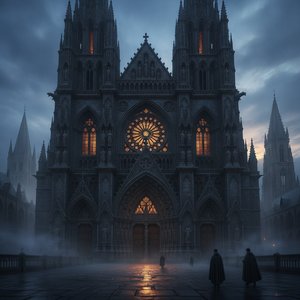
Gothic Art Guide for Hotel Designers: Leveraging Dramatic Shadows and Architectural Grandeur in Luxury Interiors
Elevate hospitality interiors with our expert guide to Gothic art. Discover how to leverage dramatic shadows, architectural grandeur, and high-end reproductions to create sophisticated, atmospheric hotel spaces that captivate guests.


