


 In echtem Maßstab anzeigen
 Versenden als Grußkarte
 Teilen
 Details anzeigen
 Leitfaden öffnen

 Herunterladen
 Ähnliche Objekte
 Röntgenaufnahme
 Diashow
 Besucherstatistiken
Triptych


 Mehr anzeigen
Handgefertigte Ölreproduktion
Handgemaltes Ölgemälde auf Leinwand in Ihrer Wunschgröße und mit Rahmen, auf Bestellung von unseren Künstlern angefertigt. ( Zum Druck wechseln Zum digitalen Bild wechseln)




P118B €10

P118H €10

P118W €10

P438Z €10

P508JH €12

P508YH €12

P805H €10

P805Z €10

P919BZ €10

P919G €10

P919XJ €10

P959ZH €10

P968JZ €12

W106C €8

W218G €10

W218JH €8

W218Y €10

W307PJ €10

W316G €10

W316PJ €8

W316Y €10

W398PJ €8

W4111J €10

W500HY €15

W500JH €15

W692G €12

W849H €8

W940BG €15

W953PJ €8




Wählen Sie aus unseren vordefinierten Formaten, die den ursprünglichen Proportionen des Kunstwerks entsprechen.

Geben Sie die Breite und die Höhe an, die Sie für Ihren Rahmen oder Ihre Wand benötigen. Da dieses Werk handgemalt ist, kann der Künstler bei einer anderen Form etwas mehr um das Bild herum malen oder etwas abschneiden – Sie entscheiden. Wir senden Ihnen ein digitales Mockup zur Freigabe, bevor mit dem Malen begonnen wird. Das auf dieser Seite gezeigte Bild stellt nicht das tatsächliche Ergebnis dar – dies tut nur das Mockup.
Nach der Bestellung wird das AllPaintingsStore.com-Team dem Kunden Anweisungen per E-Mail zusenden und eine Mockup-Vorschau bereitstellen.
Weltweiter Versand () in nur 3 bis 4 Wochen statt der üblichen 5 Wochen. (23 Oktober). Keine Kompromisse bei der Qualität.

Kostenloser weltweiter Expressversand

Hochwertige Leinenleinwand

Vollständiger Versicherungsschutz beim Versand

Zollgebühren-Rückerstattungsgarantie

Garantie für exakte Farbtreue

100-tägiges Rückgaberecht (nur bei Mängeln)

100% Geld-zurück-Garantie

Angebot für Mengenrabatt
 Die Glasoption ist nur für Größen unter 110 cm verfügbar.

Triptych
Reproduktionsmedium
Format der Reproduktion
-


Gesamtpreis
€ 227
A Vision in Wood: The Devotional Splendor of the Triptych
To stand before this magnificent triptych is to step directly into the hushed, sacred atmosphere of a late Gothic chapel. This work, dating from 1460, is not merely a painting; it is a devotional portal, crafted with painstaking reverence for the divine narrative. The structure itself—the three hinged panels—invites an intimate viewing experience, suggesting that the viewer must physically open the piece to reveal its full spiritual scope. At its heart lies the central panel, where the Virgin Mary cradles the infant Jesus Christ, surrounded by celestial attendants and saints whose gazes seem to follow the eye across centuries of faith.
Mastery in Tempera: Technique and Detail
The technical brilliance evident in this piece speaks volumes about the skill of its creator. Executed in tempera on wood panels, the medium lends a characteristic luminosity and permanence to the colors. One can almost feel the subtle texture of the aged wood beneath the vibrant pigments. Observe the meticulous rendering of the drapery; the folds of the garments are not simply painted but seem to possess weight and life, catching the light as if they were woven from silk and prayer. The attention paid to every detail, from the delicate wings of the surrounding angels to the rich embroidery on the saints' vestments, speaks to an era where art was considered a form of sacred labor.
Symbolism Woven into Sacred Scenes
The narrative complexity is breathtaking. On the left wing, St. John the Baptist stands in contemplative repose, his traditional attire and the presence of the lamb serving as potent symbols of innocence and prophecy. The right panel offers a contrasting scene, perhaps within the cool embrace of a cloister, where another saint engages in deep study from a manuscript, suggesting the enduring power of scripture and contemplation. These flanking scenes do not merely decorate; they frame the central mystery—the Incarnation—with supporting pillars of Christian virtue: prophecy, devotion, and wisdom. The pointed Gothic arches framing each section further anchor the piece within an architectural vocabulary that speaks of heavenly aspiration.
Historical Echoes and Enduring Piety
This triptych belongs to a period when religious art served as both high art and essential teaching tool for the faithful. It captures the profound piety characteristic of the late Gothic era, a time deeply invested in personal spiritual experience. While the artist's hand may have been guided by the traditions of masters like Bartolomeo Vivarini, the emotional resonance is universal. For the modern collector or designer, owning such a reproduction offers more than mere decoration; it provides an immediate connection to the deep currents of European spirituality and artisanal excellence.
Fragen & Antworten
Wie verbinden sich Medium und Bewegung in "Triptych"?
In "Triptych" trifft die Tempera On Panel-Technik auf die Late Gothic-Strömung.
Welche Grundfarbe durchzieht "Triptych" von Bartolomeo Vivarini?
Ein Amber to Saffron Farbton durchzieht "Triptych" von Bartolomeo Vivarini.
Welche Druckgröße und welches Format werden für „Triptych“ empfohlen?
Für „Triptych“ wird ein Druckformat von Large in der Ausrichtung Square empfohlen.
Ähnliche Kunstwerke


Biografie des Künstlers
Ein Vermächtnis venezianischen Lichts und der Hingabe
In der lebendigen, schimmernden Atmosphäre des Quattrocento trat Bartolomeo Vivarini als eine zentrale Figur in der Entwicklung der venezianischen Malerei hervor. Geboren im geschichtsträchtigen Zentrum der Glasherstellung auf Murano, Italien, war er Teil einer einflussreichen Künstlerdynastie, die maßgeblich zur visuellen Identität der Republik Venedig beitrug. Als Mitglied der Familie Vivarini waren sein Leben und sein Schaffen tief mit dem künstlerischen Puls seiner Heimat verwoben, wobei er den Übergang von den prunkvollen, vergoldeten Traditionen der Spätgotik zum aufstrebenden Humanismus der frühen Renaissance überbrückte.
Die Kunstfertigkeit Vivarinis zeichnet sich durch ein tiefes Gefühl spiritueller Tiefe und technischer Präzision aus. Während er ein Meister der Tempera war und oft Blattgold verwendete, um seinen Kompositionen einen himmlischen Luxus zu verleihen, war er zugleich ein Innovator im Umgang mit neuen Medien. Es ist bekannt, dass er die Kunst der Ölmalerei von Antonello da Messina lernte, und ihm wird zugeschrieben, um 1473 das erste Werk geschaffen zu haben, das als das erste Ölgemälde in Venedig gilt. Diese Meisterschaft erlaubte es ihm, Licht und Textur auf eine Weise zu manipulieren, die seinen religiösen Motiven ein neues Maß an Intimität und Gelassenheit verlieh.
Meisterschaft von Form und Symbolik
Vivarini’s Werk präsentiert oft ein beeindruckendes Gleichgewicht zwischen harten, definierten Umrissen und einer reichen, emotionalen Farbpalette. Seine Figuren besitzen häufig einen würdevollen und frommen Ausdruck, der die Feierlichkeit einfängt, die für die Altäre der venezianischen Basiliken erforderlich war. Diese Fähigkeit, menschliche Emotionen durch strukturierte Formen zu vermitteln, machte ihn zu einem gefragten Maler für bedeutende religiöse Aufträge. Ein bemerkenswertes Beispiel seines Könnens findet sich in seiner Madonna und Kind, in der er einfallendes Licht durch Fenster und tiefrote Gewänder nutzt, um ein Gefühl des heiligen Raumes zu erzeugen.
Über die Figuren selbst hinaus sind Vivarinis Gemälde oft mit symbolischen Bedeutungsschichten überzogen:
- Die Verwendung von Gold: Sein häufiger Einsatz von Blattgold dient nicht nur der Dekoration, sondern als Medium, um das göttliche Licht darzustellen.
- Naturmotive: In einer charmanten Anspielung auf seinen Namen – da vivarino im Italienischen Störche oder Distelfinken bedeuten kann – fügte er gelegentlich den kleinen Vogel als subtile Signatur in seine Werke ein.
- Architektonische Tiefe: Seine Kompositionen, wie das Conversano-Polyptychon, demonstrieren ein anspruchsvolles Verständnis der Perspektive und die Integration heiliger Figuren in komplexe, mehrteilige Strukturen.
Historische Bedeutung und künstlerischer Einfluss
Die historische Bedeutung von Bartolomeo Vivarini liegt in seiner Rolle als Brückenbauer zwischen den Epochen. Er stand am Scheideweg zwischen den byzantinisch beeinflussten Traditionen seiner Vorgänger und den revolutionären Renaissance-Stilen, die durch Künstler wie Fra Angelico und Giovanni Bellini nach Venedig gebracht wurden. Durch die Verschmelzung dieser vielfältigen Einflüsse half er dabei, eine einzigartige venezianische Bildsprache zu etablieren – eine Sprache, die leuchtende Farben und emotionale Resonanz in den Vordergrund stellte.
Sein Einfluss erstreckte sich über seine gesamte Familienlinie und prägte insbesondere das Werk seines Neffen Alvise Vivarini, der vor dem Aufstieg Bellinis zu einem führenden Künstler in Venedig wurde. Durch seine akribische Detailtreue und seine wegweisende Einführung der Öltechnik hinterließ Bartolomeo Vivarini eine unauslöschliche Spur in der Geschichte der italienischen Kunst und stellte sicher, dass die spirituelle und ästhetische Pracht von Murano und Venedig für kommende Generationen bewahrt blieb.

Bartolomeo Vivarini
1440 - 1499 , Italien
Eckdaten zum Künstler
- Artistic Movement Or Style: Venetianische Renaissance
- Artists Or Movements Influenced By This Artist: ['Alvise Vivarini']
- Artists Who Influenced This Artist:
- Antonello da Messina
- Fra Angelico
- Date Of Birth: 1440
- Date Of Death: 1499
- Full Name: Bartolomeo Vivarini
- Nationality: Italienisch
- Notable Artworks:
- Madonna mit Kind
- Conversano-Polyptychon
- Triptychon (Detail)
- Place Of Birth: Murano, Italien
Verwandte Artikel
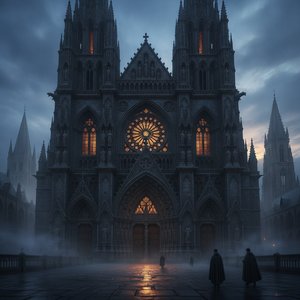
Gothic Art Guide for Hotel Designers: Leveraging Dramatic Shadows and Architectural Grandeur in Luxury Interiors
Elevate hospitality interiors with our expert guide to Gothic art. Discover how to leverage dramatic shadows, architectural grandeur, and high-end reproductions to create sophisticated, atmospheric hotel spaces that captivate guests.


