

1873. Öl auf Leinwand.

§ 1Katalogdaten


§ 2Abstrakt
Beschreibung des Sammlerstücks
Entdecken Sie Claude Monets Meisterwerk "Der Schutzpfad". Impressionistische Ruhe und Natur Schönheit werden durch kurze Pinselstriche eingefangen - eine einzigartige Kunstwerke.
 Weiterlesen
Künstlerbiografie
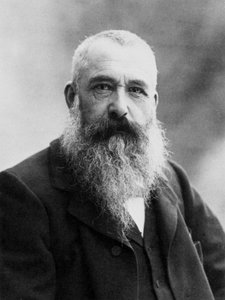
Erkunden Sie Claude Monet (1840-1926), den Begründer des Impressionismus! Entdecken Sie ikonische Seerosen, Heuhaufen und Landschaften, die Licht und die Essenz der Natur einfangen. Eine zentrale Figur in der modernen Kunst.
§ 3Kommentar
The Sheltered Path: A Journey Through Impressionist Serenity
Claude Monet's The Sheltered Path (1873) is a captivating oil painting that embodies the essence of Impressionism. This beautiful landscape depicts a solitary figure walking down a shaded path in the woods, evoking feelings of peace and tranquility. The scene invites viewers to step into a moment of quiet contemplation within nature's embrace. It’s more than just a depiction; it’s an invitation to experience the very feeling of dappled sunlight filtering through leaves—a cornerstone of Monet’s artistic vision.Impressionist Techniques and Artistic Vision
Monet’s mastery of Impressionist techniques is brilliantly displayed in The Sheltered Path. The soft, diffused light filtering through the trees creates a sense of serenity and atmosphere. Notice how Monet doesn’t meticulously detail every leaf or branch; instead, he uses short, broken brushstrokes to capture the fleeting effects of natural light and color. Vibrant greens and browns dominate the foliage, creating depth and texture while maintaining an overall harmonious palette. This approach prioritizes capturing the *impression* of a scene rather than photographic realism, a hallmark of Impressionism. The painting’s loose application of paint contributes to its ethereal quality, suggesting movement and change within the natural world. Consider how Monet skillfully blends colors—almost imperceptibly—to convey not just what he sees but how it feels.Landscape Painting Movement and Nature's Harmony
The Sheltered Path is a significant contribution to the Landscape Painting Art Movement. Rooted in ancient Chinese and Japanese art traditions that emphasize depicting natural environments—mountains, valleys, trees, rivers, and forests—this movement sought to capture the beauty and harmony of nature. Monet’s work aligns with this tradition by focusing on the simple yet profound beauty of everyday life. The painting isn't about grand vistas or dramatic landscapes; it celebrates the quiet intimacy of a walk through the woods, highlighting the restorative power of nature. It’s a deliberate choice to distill the grandeur of the outdoors into an accessible and emotionally resonant image—a testament to Monet’s belief that art should reflect the world around us.Monet's Philosophy and Legacy
Claude Monet was a seminal figure in Impressionist painting, revolutionizing artistic approaches with his philosophy of capturing immediate perceptions and nature’s essence. His dedication to *plein air* (outdoor) landscape art allowed him to observe and depict the natural world in its ever-changing states. The Sheltered Path is a testament to this philosophy, as it captures a moment in time with remarkable detail and sensitivity. The painting reflects Monet’s influence on modern art movements and his role in shaping the way artists perceive and depict nature. It continues to captivate audiences with its serene landscape and profound artistic significance, inviting viewers to appreciate the beauty of the natural world and the simple joys of life—a legacy that extends far beyond its visual appeal.Symbolism and Emotional Resonance
Beyond its aesthetic appeal, The Sheltered Path carries symbolic weight. The solitary figure walking down the path can be interpreted as a metaphor for life's journey—a quest for peace and understanding within the complexities of existence. The sheltered nature of the path suggests protection and refuge from the outside world. Consider how Monet’s subtle use of color—particularly blues and greens—contributes to this mood of tranquility, mirroring the calming effect of a walk in woodland surroundings. This painting offers not just a visual experience but also an emotional one, resonating with our innate desire for connection with the natural world and prompting contemplation on themes of solitude and serenity.Fragen & Antworten
Wie intensiv und gesättigt sind die Farben von "Der Schutzpfad" von Claude Monet?
"Der Schutzpfad" von Claude Monet zeichnet sich durch eine Sättigung von Dezente Farbsättigung und eine Intensität von Ausgewogen aus.
Welche Platzierung passt zum Format von "Der Schutzpfad" von Claude Monet?
Format (Querformat) und der empfohlene Raum (Wohnbereich) sind die beiden Platzierungshinweise für "Der Schutzpfad" von Claude Monet.
Welche Technik wurde für "Der Schutzpfad" verwendet und wann entstand das Werk?
"Der Schutzpfad" von Claude Monet ist eine Öl auf Leinwand, die auf 1873 datiert wird.


 Zum Druck wechseln


 Bei Kunstwerken oder Reproduktionen, die an einer Seite größer als 105 cm (ca. 41 Zoll) sind, wird der Rahmen zerlegt als Bausatz geliefert. Diese Methode gewährleistet eine sichere Zustellung und verhindert Schäden während des Transports.


