In echtem Maßstab anzeigen
 Versenden als Grußkarte
 Teilen
 Details anzeigen
 Leitfaden öffnen

 Herunterladen
 Ähnliche Objekte
 Röntgenaufnahme
 Diashow
 Besucherstatistiken
Tavern in St. Cloud
 Öl auf Leinwand
- Wandkunst
- Expressionism
 1890
1890- 19. Jahrhundert
 48.0 x 64.0 cm
 Mehr anzeigen
Handgefertigte Ölreproduktion
Handgemaltes Ölgemälde auf Leinwand in Ihrer Wunschgröße und mit Rahmen, auf Bestellung von unseren Künstlern angefertigt. ( Zum Druck wechseln Zum digitalen Bild wechseln)




P118B €10

P118H €10

P118W €10

P438Z €10

P508JH €12

P508YH €12

P805H €10

P805Z €10

P919BZ €10

P919G €10

P919XJ €10

P959ZH €10

P968JZ €12

W106C €8

W218G €10

W218JH €8

W218Y €10

W307PJ €10

W316G €10

W316PJ €8

W316Y €10

W398PJ €8

W4111J €10

W500HY €15

W500JH €15

W692G €12

W849H €8

W940BG €15

W953PJ €8




Wählen Sie aus unseren vordefinierten Formaten, die den ursprünglichen Proportionen des Kunstwerks entsprechen.

Geben Sie die Breite und die Höhe an, die Sie für Ihren Rahmen oder Ihre Wand benötigen. Da dieses Werk handgemalt ist, kann der Künstler bei einer anderen Form etwas mehr um das Bild herum malen oder etwas abschneiden – Sie entscheiden. Wir senden Ihnen ein digitales Mockup zur Freigabe, bevor mit dem Malen begonnen wird. Das auf dieser Seite gezeigte Bild stellt nicht das tatsächliche Ergebnis dar – dies tut nur das Mockup.
Nach der Bestellung wird das AllPaintingsStore.com-Team dem Kunden Anweisungen per E-Mail zusenden und eine Mockup-Vorschau bereitstellen.
Weltweiter Versand () in nur 3 bis 4 Wochen statt der üblichen 5 Wochen. (22 Oktober). Keine Kompromisse bei der Qualität.

Kostenloser weltweiter Expressversand

Hochwertige Leinenleinwand

Vollständiger Versicherungsschutz beim Versand

Zollgebühren-Rückerstattungsgarantie

Garantie für exakte Farbtreue

100-tägiges Rückgaberecht (nur bei Mängeln)

100% Geld-zurück-Garantie

Angebot für Mengenrabatt
 Die Glasoption ist nur für Größen unter 110 cm verfügbar.

Tavern in St. Cloud
Reproduktionsmedium
Format der Reproduktion
-


Gesamtpreis
€ 226
Edvard Munch’s ‘Tavern Scene’: A Window into Modern Anxiety
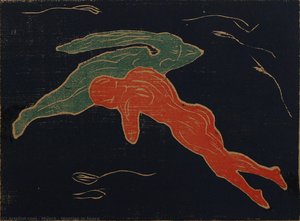
AllPaintingsStore.com presents a meticulously hand-painted reproduction of Edvard Munch's seminal work, “Tavern Scene” (1890), a painting that transcends its subject matter to become a potent symbol of the anxieties and uncertainties simmering beneath the surface of late 19th-century society. This isn’t merely a depiction of two men in a bar; it’s an intensely psychological portrait, rendered with a raw emotional honesty that continues to resonate powerfully today. Munch, deeply influenced by Symbolism and his own personal struggles – particularly the loss of his mother and sister to tuberculosis – sought not to represent reality objectively but to convey subjective experience, specifically the unsettling feeling of impending doom.
- Style & Technique: The painting exemplifies Munch’s signature style, characterized by bold, expressive brushstrokes, flattened perspective, and a deliberate distortion of form. He employs a technique known as ‘soul painting,’ prioritizing emotional impact over realistic representation. Notice the almost violent application of paint, particularly in the darker tones, creating a sense of unease and agitation. The use of complementary colors – the blues and oranges – intensifies this effect, generating visual tension within the composition.
- Composition & Perspective: Munch masterfully utilizes perspective to draw the viewer into the scene. The receding lines of the table and walls create a sense of depth, while the figures are positioned in a way that emphasizes their isolation and vulnerability. The slightly skewed angle of the table contributes to the overall feeling of instability and disorientation.
- Material & Reproduction: Our hand-painted reproduction utilizes archival quality materials, meticulously replicating Munch’s original techniques. We employ traditional oil painting methods, ensuring color accuracy and a texture that closely mimics the feel of the original canvas. The size of 48 x 64 cm offers an ideal scale for display, allowing the artwork's emotional intensity to be fully appreciated.
Symbolism & Psychological Depth
“Tavern Scene” is laden with symbolic meaning, reflecting Munch’s preoccupation with themes of death, illness, and psychological distress. The two men seated at the table are often interpreted as representations of the artist himself and his friend Herman Geinfeld, engaged in a conversation that borders on despair. The single, stark light source – likely representing an unseen, perhaps malevolent force – casts long, distorted shadows, amplifying the sense of dread. The empty space around the figures suggests isolation and loneliness, further emphasizing their vulnerability.
Key Symbolic Elements:- The Empty Space: Represents a void, a lack of connection, or perhaps an impending death.
- The Harsh Light: Symbolizes exposure, judgment, or the intrusion of unwelcome truths.
- The Men’s Expressions: Convey a sense of weariness, anxiety, and possibly suppressed grief.
Historical Context & Munch's Vision
Painted during a period of significant social and intellectual upheaval – the rise of industrialization, urbanization, and the questioning of traditional values – “Tavern Scene” reflects the growing anxieties of the modern age. Munch was part of a broader artistic movement that rejected realism in favor of exploring subjective experience and psychological states. His work anticipated many of the themes explored by Expressionist artists who would follow him, solidifying his place as a pioneer of modern art. The painting’s raw emotional power speaks to a universal human condition – the awareness of mortality and the struggle to find meaning in a chaotic world.
Emotional Impact & Collecting
More than just a beautiful image, “Tavern Scene” is an emotionally charged work that invites contemplation and introspection. It’s a painting that demands attention, prompting viewers to confront their own fears and anxieties. Whether you are an art collector seeking to expand your collection of iconic works, an interior designer looking for a statement piece to evoke emotion and create atmosphere, or simply someone drawn to the power of artistic expression, this hand-painted reproduction offers a unique opportunity to experience the profound impact of Edvard Munch’s genius. Own a piece of art history that continues to resonate with its timeless exploration of the human psyche.
Fragen & Antworten
In welchem Jahr wurde "Tavern in St. Cloud" geschaffen?
"Tavern in St. Cloud" von Edvard Munch entstand im Jahr 1890.
Wo sollte eine Reproduktion von "Tavern in St. Cloud" von Edvard Munch aufgehängt werden?
Mit seiner Querformat-Form wird eine Reproduktion von „Tavern in St. Cloud“ für ein Wohnzimmer empfohlen.
Welche Stimmung und welche Emotionen vereinen sich in "Tavern in St. Cloud"?
"Tavern in St. Cloud" von Edvard Munch vermittelt ein Melancholisch Gefühl innerhalb einer insgesamt Dramatisch Stimmung.
Ähnliche Kunstwerke


Biografie des Künstlers
Edvard Munch: Leben und Vermächtnis
Frühes Leben und Einflüsse (1863-1889)
Edvard Munch wurde am 12. Dezember 1863 in Ådalsbruk, Schweden, geboren, obwohl er den Großteil seines Lebens in Norwegen verbrachte. Seine Kindheit war von Tragödien und Instabilität geprägt. Der frühe Verlust seiner Mutter an Tuberkulose im Alter von fünf Jahren, gefolgt vom Tod seiner geliebten Schwester Sophie durch dieselbe Krankheit neun Jahre später, hinterließ einen unauslöschlichen Eindruck in Munchs Psyche. Er kämpfte auch sein Leben lang mit der Angst vor einer ererbten psychischen Erkrankung, die seinen Vater heimgesucht hatte. Diese Erfahrungen führten bei ihm zu einer tiefen Beschäftigung mit Tod, Krankheit und psychischem Leid – Themen, die seine künstlerische Produktion dominieren sollten.
Munchs frühe Ausbildung an der Königlichen Schule für Kunst und Design in Kristiania (jetzt Oslo) war von entscheidender Bedeutung. Dort begegnete er dem nihilistischen Philosophen Hans Jæger, der Munch ermutigte, seine innere Zerrissenheit zu erforschen und sie durch Kunst auszudrücken, konventionelle akademische Stile abzulehnen. Diese Mentorenschaft führte ihn zu einem subjektiveren und emotional aufgeladenen Ansatz in der Malerei.
Künstlerische Entwicklung und Pariser Einflüsse (1890-1900)
Die 1890er Jahre waren Zeugen von Munchs entscheidender künstlerischer Entwicklung, die maßgeblich von seinen Reisen nach Paris und Berlin geprägt war. In Paris wurde er der lebendigen Kunstszene ausgesetzt und nahm Einflüsse von Postimpressionisten wie Paul Gauguin, Vincent van Gogh und Henri de Toulouse-Lautrec auf. Er übernahm ihre bewusste Verwendung von Farbe, expressiven Pinselstrichen und Ablehnung der naturalistischen Darstellung. Van Goghs emotionale Intensität berührte Munchs eigene Kämpfe besonders.
Seine Zeit in Berlin brachte ihn mit dem schwedischen Dramatiker August Strindberg in Kontakt, eine Beziehung, die sowohl persönlich als auch künstlerisch anregend war. In dieser Zeit entstand auch der Entwurf seiner ambitionierten Serie “Das Leben in Schleier” – eine Sammlung von Gemälden, die Themen wie Liebe, Angst, Eifersucht, Verrat und Tod erforschen, alles mit intensiver Emotionalität und psychologischer Tiefe dargestellt.
Wichtige Werke und Künstlerischer Stil (1900-1920er)
Munchs künstlerischer Stil ist durch seine rohe Emotion, verzerrte Formen und den symbolischen Gebrauch von Farbe gekennzeichnet. Er ging über die realistische Darstellung hinaus und legte den Ausdruck innerer Gefühle gegenüber objektiver Repräsentation. Seine Werke erzeugen oft ein Gefühl der Beklemmung, Angst und existenziellen Verzweiflung.
- Der Schrei (1893-1910): Vielleicht sein ikonischstes Gemälde, das eine Figur darstellt, die von einer existentiellen Krise überwältigt wird, vor einem wirbelnden, feurigen Himmel. Es gibt mehrere Versionen in verschiedenen Medien.
- Die Jungfrau (1894-1895): Ein kontroverses und tief persönliches Werk, das Themen wie Sexualität, Mutterschaft und Tod erforscht.
- Das kranke Kind (verschiedene Versionen): Ein wiederkehrendes Motiv, das Munchs Kindheitstraumata und den Verlust geliebter Menschen widerspiegelt.
- Melancholie I (1891) & II (1892): Mächtige Darstellungen von tiefer Trauer und Isolation.
Späte Jahre, Anerkennung und Vermächtnis (1920er-1944)
Trotz zunehmender Berühmtheit und finanziellen Erfolgs in späteren Jahren blieb Munchs persönliches Leben turbulent. Ein schwerer psychischer Zusammenbruch im Jahr 1908 führte zu einer Krankenhauszeit und dem Verzicht auf Alkohol. In seinen späteren Jahren erlebte er jedoch eine kreative Wiedergeburt und Anerkennung, insbesondere in Kristiania (Oslo). Er erhielt zahlreiche Auszeichnungen und Ehrungen, die seine Reputation als einer der wichtigsten Künstler Norwegens festigten.
Munch starb am 23. Januar 1944 in Ekely, nahe Oslo. Sein Vermächtnis ist durch das Munch-Museum gesichert (gegründet im Jahr 1963), das eine umfangreiche Sammlung seiner Werke beherbergt, darunter zahlreiche Versionen von *Der Schrei*, sowie andere bedeutende Gemälde, Drucke und Zeichnungen.
Historische Bedeutung
Edvard Munchs Beitrag zur modernen Kunst ist unbestreitbar. Er gilt als eine Schlüsselgestalt der Entwicklung des Expressionismus und ebnete den Weg für Künstler, die sich dem Ausdruck subjektiver Emotionen und psychischer Zustände statt objektiver Realität verschrieben haben. Seine unerschrockene Auseinandersetzung mit universellen menschlichen Erfahrungen – Liebe, Verlust, Angst und Tod – hallt weiterhin bei Publikum auf der ganzen Welt wider und macht ihn zu einer der einflussreichsten und dauerhaftesten Figuren in der Kunstgeschichte. Sein Werk hatte einen tiefgreifenden Einfluss auf nachfolgende Generationen von Künstlern und trug zur Etablierung des Expressionismus in Deutschland und darüber hinaus bei, wodurch er seinen Platz als visionärer Künstler festigte, der sich wagt, die dunkleren Aspekte der menschlichen Natur zu konfrontieren.
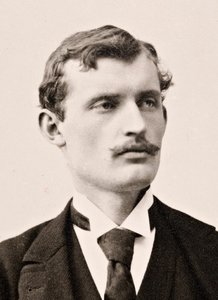
Edvard Munch
1863 - 1944 , Schweden
Eckdaten zum Künstler
- Beeinflusste Künstler:
- Paul Gauguin
- Vincent van Gogh
- Henri de Toulouse-Lautrec
- Bemerkenswerte Werke:
- Der Schrei
- Madonna
- Das kranke Kind
- Melancholie I & II
- Geburtsdatum: 12. Dezember 1863
- Geburtsort: Adelsbruk, Schweden
- Künstlerischer Stil: Expressionismus
- Nationalität: Norweger
- Todatum: 23. Januar 1944
- Vollständiger Name: Edvard Munch
- Von Ihm Beeinflusste Künstler: ['Expressionismus (Deutschland)']
Verwandte Artikel

Meisterwerke der Dunkelheit: 10 berühmte Gemälde im Lampenschwarzton |
Entdecken Sie 10 berühmte Gemälde, die von Lampenschwarz und düsterer Schönheit geprägt sind. Von Rembrandt bis Caravaggio – erleben Sie Kunstgeschichte neu! Hochwertige Reproduktionen & Inspiration für Ihr Zuhause auf .

Die Top 10 berühmter Gemälde im Reich der dunklen Töne |
Entdecken Sie die Top 10 berühmter Gemälde, beherrscht von dunklen Tönen! Von Caravaggio bis Manet – erfahren Sie die Geschichten hinter Meisterwerken der Kunstgeschichte. Finden Sie Ihre perfekte Reproduktion auf .

Edvard Munchs Meisterwerke: Die 25 ikonischsten Kunstwerke für Ihr Zuhause | AllPaintingsStore
Entdecken Sie die 25 ikonischsten Kunstwerke von Edvard Munch! Tauchen Sie ein in seine Welt voller Expressionismus, Angst und Melancholie. Hochwertige Kunstdrucke & Reproduktionen auf AllPaintingsStore.com – für Kunstliebhaber & stilvolles Zuhause.

Edvard Munch: Angst, Moderne und die Morgenröte des Expressionismus – Eine tiefgründige Analyse
Entdecken Sie Edvard Munch und den Expressionismus! Tiefgründige Analyse von 'Der Schrei', künstlerischen Einflüssen & der Bedeutung für die Moderne. Expertenwissen für Sammler und Kunstliebhaber.

Expressionismus: Die 10 Meisterwerke, die eine Ära prägten – Kunst für Ihr Zuhause |
Entdecken Sie die 10 prägendsten Meisterwerke des Expressionismus! Von Munch bis Kandinsky – erfahren Sie die Geschichten hinter den berühmtesten Gemälde und Künstler. Hochwertige Kunstdrucke online bei kaufen & Ihr Zuhause mit Emotionen füllen.