Vorschau anzeigen
 Versenden
 Teilen
 Details anzeigen

 Herunterladen
 Ähnliche Objekte
 Röntgenaufnahme
 Diashow
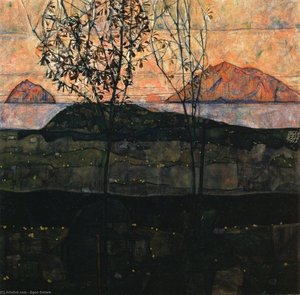
untitled (9575)

 Weiterlesen
Giclée / Kunstdruck
Giclée- oder Leinwanddruck in Museumsqualität mit schneller Produktion und flexiblen Veredelungsoptionen. ( Handgemalte Reproduktion bestellen Bild kaufen)




P118B $10

P118H $10

P118W $10

P438Z $10

P508JH $12

P508YH $12

P805H $10

P805Z $10

P919BZ $10

P919G $10

P919XJ $10

P959ZH $10

P968JZ $12

W106C $8

W218G $10

W218JH $8

W218Y $10

W307PJ $10

W316G $10

W316PJ $8

W316Y $10

W398PJ $8

W4111J $10

W500HY $15

W500JH $15

W692G $12

W849H $8

W940BG $15

W953PJ $8




Wählen Sie aus unseren vordefinierten Formaten, die den ursprünglichen Proportionen des Kunstwerks entsprechen.

Sie können Ihre eigenen Maße eingeben, um ein bestimmtes Format oder einen speziellen Platz einzupassen. Wenn das von Ihnen gewählte Format nicht den Proportionen des Originalbildes entspricht, werden wir das Kunstwerk entweder beschneiden oder das Bild mit einem gespiegelten oder einfarbigen Rand erweitern. Ein digitaler Entwurf wird Ihnen zur Genehmigung zugesandt, bevor die Produktion beginnt.
Bitte beachten Sie, dass die Vorschau auf dem Bildschirm nicht den tatsächlichen Zuschnitt oder die Erweiterung widerspiegelt. Nur der Entwurf zeigt die endgültige Komposition präzise an.
Obwohl Sondermaße verfügbar sind, empfehlen wir die Auswahl eines Maßes aus der vordefinierten Liste, um die ursprünglichen Proportionen zu bewahren.
Weltweiter Versand () innerhalb von 2 Wochen statt der üblichen 4/5 Wochen. (20 August)

Kostenloser weltweiter Expressversand

Hochwertige Leinenleinwand

Umfassender Versicherungsschutz beim Versand

Zollgebühren-Rückerstattungsgarantie

Garantie für exakte Farbtreue

60 Tage Rückgaberecht (nur bei Mängeln)

100% Geld-zurück-Garantie

Mengenrabatt verfügbar
 Die Glasoption ist nur für Größen unter 110 cm verfügbar.

untitled (9575)
Giclée / Kunstdruck
Format der Reproduktion
-


Gesamtpreis
$ 64
Sammlerstück-Beschreibung
Egon Schiele’s Haunting Portrait – A Study in Intensity
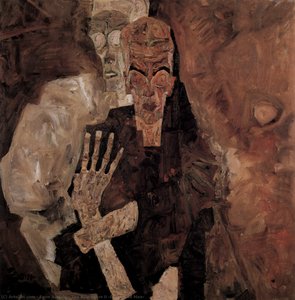
Egon Schiele's "untitled (9575)" is not merely a painting; it’s an unflinching gaze into the depths of human emotion, a raw and intensely personal expression rendered with the signature boldness that defined this pivotal figure of Expressionism. Created during a period of profound upheaval – his life tragically cut short in 1918 amidst the horrors of World War I – the work embodies Schiele’s preoccupation with mortality, sexuality, and the psychological complexities of the human condition. The image depicts a woman, her features both vulnerable and defiant, presented against an undefined backdrop that amplifies the drama of her presence. Her long hair, seemingly caught in a moment of disarray, adds to the sense of immediacy and emotional turbulence.
Schiele’s distinctive style is immediately recognizable. He eschewed traditional academic techniques in favor of a highly individual approach characterized by elongated figures, distorted perspectives, and a deliberate use of line – thick, jagged strokes that seem to vibrate with energy. This particular piece showcases his mastery of capturing fleeting expressions; the subtle curve of her lips, painted with a vivid red lipstick, hints at an unspoken narrative, while her direct gaze compels the viewer into an uncomfortable yet captivating dialogue. The painting’s color palette is restrained – primarily muted tones punctuated by the striking red of her mouth – contributing to its overall sense of somber intensity.
The Shadow of Loss and the Embrace of Eros
Schiele's biography is inextricably linked to his art, and the pervasive influence of personal tragedy is palpable throughout his oeuvre. The early death of his father, a man consumed by syphilis, cast a long shadow over his childhood, shaping his artistic vision with an acute awareness of fragility and decay. Similarly, the loss of his sister Elvira at a young age fueled a deep-seated fear of mortality that he relentlessly explored through his art. This exploration isn’t simply morbid; it's intertwined with a fascination – even an embrace – of eroticism and the raw physicality of human experience. As noted in the Wikipedia article on Schiele, “The presence of death, but also the connection between death and eros in several of his works from this period, is associated with this event.”
Interestingly, the painting’s creation coincided with Schiele's military service during World War I. This tumultuous period undoubtedly informed the work’s emotional intensity, contributing to its exploration of themes like loss, vulnerability, and the unsettling juxtaposition of life and death. The influence of Gustav Klimt, a mentor figure in Schiele’s early career, is also evident – though Schiele quickly forged his own distinct path, rejecting Klimt's decorative style in favor of a more psychologically driven approach.
Symbolism and the Unspoken Narrative
While the subject matter appears straightforward—a woman looking directly at the viewer—"untitled (9575)" is rich with symbolic potential. The red lipstick, a bold statement against the muted background, can be interpreted as an assertion of self, a defiant act in the face of mortality. Her slightly disheveled hair suggests a state of emotional turmoil, perhaps reflecting the anxieties and uncertainties of her time. The lack of specific context invites interpretation; we are left to project our own emotions and experiences onto the figure, creating a deeply personal connection with the artwork.
Drawing parallels to Schiele’s “Death and the Maiden” (1915), another powerful work exploring the intersection of death and eroticism, reveals a recurring thematic concern. Both paintings utilize a Renaissance motif – the contrast between death and the maiden – but imbue it with Schiele's signature intensity and psychological depth. The film adaptation of Schiele’s life, “Death and the Maiden,” further solidifies this connection, demonstrating the enduring fascination with his work.
Bringing Schiele’s Vision Home
AllPaintingsStore offers meticulously crafted hand-painted reproductions of Egon Schiele's "untitled (9575)," allowing you to experience the raw emotion and captivating intensity of this iconic artwork in your own space. These reproductions faithfully capture the artist’s distinctive style, utilizing traditional oil painting techniques to recreate the texture, color palette, and dynamic energy of the original. Whether you are an art collector, a design enthusiast, or simply seeking a piece that speaks to the complexities of human experience, a AllPaintingsStore reproduction of Schiele's portrait is a powerful addition to any collection – a testament to the enduring legacy of one of Expressionism’s most compelling figures.
Ähnliche Kunstwerke


Über den Künstler
Egon Schiele: Leben und Werk
Frühes Leben und Einflüsse
- Geboren am 12. Juni 1890 in Tulln an der Donau, Niederösterreich, erlebte Egon Schiele ein Kindheitsleben, das von künstlerischem Interesse und persönlicher Notlage geprägt war.
- Sein Vater, Adolf Schiele, war Stationsmeister und vermittelte seinem Sohn eine Faszination für Züge – ein Motiv, das sich später subtil in seiner Arbeit wiederfinden würde.
- Der frühe Tod seines Vaters durch Syphilis im Alter von 14 Jahren hatte einen tiefgreifenden Einfluss auf ihn und führte zu seiner Erziehung durch seinen Onkel mütterlicherseits, Leopold Czihaczek.
- Czihaczek bot Unterstützung, übte aber auch eine kontrollierende Einflüsse aus, die zur komplexen emotionalen Landschaft beitrugen, die in Schieles Kunstwerke reflektiert werden.
Künstlerische Reise und Entwicklung
- Schieles künstlerisches Ausbildung begann an der Kunstgewerbeschule (Kunstgewerbeschule) in Wien, aber er wechselte bald an die Akademie der bildenden Künste (Akademie der Bildenden Künste).
- Er wurde schnell disillusioned mit dem konservativen Ansatz der Akademie und fand ihn behindernd für seine ausdrucksstarke Vision. Er verließ schließlich die formale Ausbildung.
- Frühe Einflüsse waren Gustav Klimt, eine führende Figur der Wiener Secession, dessen dekorativer Stil und die Erforschung von Symbolik Schiele resonierten. Schiele entwickelte jedoch bald einen eigenständigen Stil.
- Seine frühen Werke zeigten oft verstörender Portraits und Selbstporträts, die durch verzerrte Figuren und intensive Emotionalität gekennzeichnet waren.
Wesentliche Merkmale und Themen
- Schieles Kunst ist bekannt für ihre Rohheit, Ehrlichkeit und psychologische Tiefe. Er erforschte mutig Themen wie Sexualität, Tod, Angst und Isolation.
- Sein unverwechselbarer Stil zeichnet sich durch verlängerte Figuren, verzerrte Posen und ausdrucksstarke Linien aus, die ein Gefühl von Verletzlichkeit und emotionalem Aufruhr vermitteln.
- Selbstporträts machen einen bedeutenden Teil seines Œuvres aus und bieten intime Einblicke in seine innere Welt.
- Er schuf auch zahlreiche Porträts anderer Personen, die oft mit unverblümender Realismus und psychologischem Verständnis dargestellt wurden.
- Landschaftsbildung spielte eine Rolle in seiner Arbeit und demonstrierte sein Können in Form und Farbe, obwohl sie weniger zentral war als seine figurativen Werke.
Wichtige Leistungen und Anerkennung
- Trotz Zensur und rechtlicher Herausforderungen (einschließlich einer kurzzeitigen Inhaftierung wegen angeblichen Korrupterns von Minderjährigen mit seiner Kunst) erlangte Schiele innerhalb der Wiener Avantgarde Anerkennung.
- Er gründete 1909 die Neues Wiener Kunstgruppe (Neue Wiener Künstlergruppe) und präsentierte seine Werke neben anderen progressiven Künstlern.
- Signifikante Werke sind unter anderem Selbstporträt mit Physalis, Paar Umarmend und Feldschlag (Kreuzberg bei Krumau).
- Bis zu seinem frühzeitigen Tod hatte sich Schiele als eine führende Figur des österreichischen Expressionismus etabliert.
Historische Bedeutung und Vermächtnis
- Egon Schiele starb 1918 während der Spanischen Grippeepidemie im Alter von 28 Jahren und beendete damit eine vielversprechende Karriere.
- Seine Arbeit beeinflusste nachfolgende Generationen von Künstlern, insbesondere diejenigen, die sich für die Erforschung psychologischer Themen und die Herausforderung konventioneller künstlerischer Normen interessierten.
- Schieles mutiger Ansatz in Bezug auf Form und Gegenstandsmaterial spiegelt sich bis heute wider und macht ihn zu einer der wichtigsten und einflussreichsten Figuren der frühen 20. Jahrhunderts Kunst.
- Seine Gemälde werden heute in wichtigen Museumsammlungen weltweit aufbewahrt, und Reproduktionen seiner Werke sind weit verbreitet, was sein künstlerisches Vermächtnis sicherstellt.
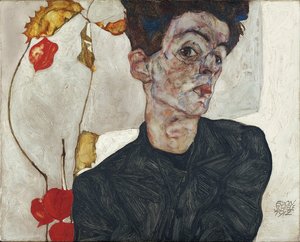
Egon Schiele
1890 - 1918 , kroatien
Kurzinfos
- Beeinflusste Künstler: ['Nachfolgende Generationen']
- Bemerkenswerte Werke:
- Selbstporträt mit Wucherblume
- Paar Umarmend
- Feldbild (Kreuzberg bei Krumau)
- Einflussreiche Künstler: ['Gustav Klimt']
- Geburtsdatum: 12. Juni 1890
- Geburtsort: Tulln, Österreich
- Künstlerische Richtung: Expressionismus
- Nationalität: Österreichisch
- Todatum: 1918
- Vollständiger Name: Egon Schiele
Ähnliche Artikel

Neo-Expressionism Explained: A Professional Guide to Integrating Raw Power and Emotional Intensity into Modern Interior Design
Master the integration of Neo-Expressionism into professional interiors. Our expert guide explores the raw power of artists like Basquiat and Baselitz, offering procurement professionals strategic insights for high-impact hospitality and corporate art installations.