


 In echtem Maßstab anzeigen
 Versenden als Grußkarte
 Teilen
 Details anzeigen
 Leitfaden öffnen

 Herunterladen
 Ähnliche Objekte
 Röntgenaufnahme
 Diashow
 Besucherstatistiken
Five cocottes


 Mehr anzeigen
Handgefertigte Ölreproduktion
Handgemaltes Ölgemälde auf Leinwand in Ihrer Wunschgröße und mit Rahmen, auf Bestellung von unseren Künstlern angefertigt. ( Zum Druck wechseln Zum digitalen Bild wechseln)




P118B €10

P118H €10

P118W €10

P438Z €10

P508JH €12

P508YH €12

P805H €10

P805Z €10

P919BZ €10

P919G €10

P919XJ €10

P959ZH €10

P968JZ €12

W106C €8

W218G €10

W218JH €8

W218Y €10

W307PJ €10

W316G €10

W316PJ €8

W316Y €10

W398PJ €8

W4111J €10

W500HY €15

W500JH €15

W692G €12

W849H €8

W940BG €15

W953PJ €8




Wählen Sie aus unseren vordefinierten Formaten, die den ursprünglichen Proportionen des Kunstwerks entsprechen.

Geben Sie die Breite und die Höhe an, die Sie für Ihren Rahmen oder Ihre Wand benötigen. Da dieses Werk handgemalt ist, kann der Künstler bei einer anderen Form etwas mehr um das Bild herum malen oder etwas abschneiden – Sie entscheiden. Wir senden Ihnen ein digitales Mockup zur Freigabe, bevor mit dem Malen begonnen wird. Das auf dieser Seite gezeigte Bild stellt nicht das tatsächliche Ergebnis dar – dies tut nur das Mockup.
Nach der Bestellung wird das AllPaintingsStore.com-Team dem Kunden Anweisungen per E-Mail zusenden und eine Mockup-Vorschau bereitstellen.
Weltweiter Versand () in nur 3 bis 4 Wochen statt der üblichen 5 Wochen. (23 Oktober). Keine Kompromisse bei der Qualität.

Kostenloser weltweiter Expressversand

Hochwertige Leinenleinwand

Vollständiger Versicherungsschutz beim Versand

Zollgebühren-Rückerstattungsgarantie

Garantie für exakte Farbtreue

100-tägiges Rückgaberecht (nur bei Mängeln)

100% Geld-zurück-Garantie

Angebot für Mengenrabatt
 Die Glasoption ist nur für Größen unter 110 cm verfügbar.

Five cocottes
Reproduktionsmedium
Format der Reproduktion
-


Gesamtpreis
€ 315
Five Cocottes: A Descent into Expressionist Anxiety
Ernst Ludwig Kirchner’s “Five Cocottes” is not merely a depiction of five figures; it's a visceral plunge into the turbulent heart of German Expressionism. Executed around 1908, this woodcut print, born from Kirchner’s profound engagement with the anxieties of his era, immediately confronts the viewer with an unsettling dynamism. The composition, deliberately chaotic and crowded, eschews traditional notions of perspective and spatial harmony, opting instead for a flattened, almost claustrophobic space where the figures – likely women – are locked in a silent, palpable struggle. Kirchner’s masterful manipulation of line is central to this effect; thick, jagged lines dominate, not to delineate form with precision, but to convey raw emotion and an underlying sense of unease. The stark contrast between black and white amplifies the drama, creating areas of intense shadow that seem to press in on the figures, mirroring perhaps a psychological state of confinement or distress.
- Style & Movement: Rooted firmly within the Expressionist movement, “Five Cocottes” exemplifies the group’s core tenets – prioritizing subjective emotional experience over objective representation. Kirchner, along with his contemporaries, sought to capture not just what he saw, but how he *felt* about it, and this piece is a potent distillation of that impulse.
- Technique: The artwork's power resides in its meticulous execution as a woodcut print. Kirchner’s process involved carving the image into a meticulously prepared block of wood – a laborious undertaking that demanded both technical skill and artistic vision. This technique, with its inherent graininess and textural qualities, adds another layer to the work’s unsettling atmosphere.
The Language of Distortion: Line and Form
Kirchner's use of line is far more than a stylistic choice; it’s the very language through which he communicates his subject’s emotional state. The angular, almost violent lines that define the figures’ bodies suggest a fractured sense of self, reflecting the anxieties of a society undergoing rapid industrialization and social upheaval. The geometric shapes – triangles, rectangles, sharp angles – are not decorative elements but rather structural components contributing to the overall feeling of agitation. They reinforce the impression of instability and disrupt any attempt at harmonious composition. The deliberate lack of smooth curves or flowing lines further intensifies this sense of unease, mirroring a world perceived as fragmented and chaotic.
- Impact of Woodcut: The woodcut technique itself is crucial to understanding the artwork’s impact. It lends a raw, almost primitive quality to the image, reminiscent of early printmaking traditions while simultaneously reflecting the artist's desire to break free from academic constraints.
- Symbolic Weight: The distorted forms can be interpreted as symbolic representations of alienation and isolation – common themes within Expressionist art.
Historical Context & Kirchner’s Vision
Created during a period of significant social and political change in Germany, “Five Cocottes” reflects the anxieties of a nation grappling with modernity. Kirchner, like many artists of his time, was deeply concerned about the dehumanizing effects of industrialization and the erosion of traditional values. His work is often seen as a response to these concerns, offering a bleak yet profoundly honest portrayal of the psychological toll of modern life. Born in Aschaffenburg in 1880, Kirchner’s early life was marked by instability and displacement, experiences that undoubtedly shaped his artistic vision. He initially studied architecture but quickly gravitated towards painting, finding in it a means to express his innermost thoughts and feelings. His association with other Expressionist artists like Fritz Bleyl further solidified his commitment to this radical approach to artmaking.
Collecting “Five Cocottes”: A Window into the Soul
“Five Cocottes” is more than just an artwork; it’s a powerful statement about the human condition. Its raw emotional intensity and innovative technique make it a compelling addition to any collection, offering a unique glimpse into the mind of one of Germany's most important Expressionist artists. A hand-painted reproduction allows you to bring this evocative piece into your own space, transforming your interior with its haunting beauty and profound psychological depth. Consider this artwork not just as decoration, but as an investment in artistic legacy – a tangible connection to a pivotal moment in the history of modern art.
Fragen & Antworten
Wer verkauft handgemalte Kopien von "Five cocottes" von Ernst Ludwig Kirchner?
"Five cocottes" ist als eine handgemalte Ölreproduktion auf Leinenleinwand erhältlich. Die Bestellung kann auf der Seite Handgemalte Reproduktion mit einer Auswahl an verschiedenen Größen vorgenommen werden.
Kann ich "Five cocottes" als Vollbild-Diashow ansehen?
Das Diaporama zu „Five cocottes“ kann auf der Diashow-Seite des Kunstwerks angesehen werden.
Wie viel Licht scheinen die Farben von "Five cocottes" zu reflektieren?
Die Farben von "Five cocottes" weisen eine Gentle Luminance Luminanz auf.
Ähnliche Kunstwerke


Biografie des Künstlers
Ernst Ludwig Kirchner: Leben und Vermächtnis
Frühes Leben und Ausbildung
Ernst Ludwig Kirchner, eine zentrale Figur des deutschen Expressionismus, wurde am 6. Mai 1880 in Aschaffenburg, Bayern, geboren. Sein Familienhintergrund – preußischer Herkunft väterlicherseits und hugenottische Abstammung mütterlicherseits – prägte seine künstlerische Identität maßgeblich. Häufige Umzüge während seiner Kindheit – aufgrund der Stellensuche seines Vaters – führten dazu, dass Kirchner Schulen in Frankfurt und Perlen besuchte, bevor er sich mit seiner Familie in Chemnitz niederließ, als sein Vater eine Position an der örtlichen Technischen Hochschule annahm.
Im Jahr 1901 begann Kirchner ein Studium der Architektur an der Königlichen Technischen Hochschule (RTH) in Dresden. Er wandte sich jedoch bald der Malerei zu und fand Inspiration in den Werken von Künstlern wie Albrecht Dürer, wobei er zusammen mit seinem Freund Fritz Bleyl eine radikale Kunstauffassung entwickelte.
Gründung von Die Brücke
Ein Wendepunkt in Kirchners Karriere war die Gründung von Die Brücke („Die Brücke“) im Jahr 1905, zu der er sich mit Bleyl, Karl Schmidt-Rottluff und Erich Heckel zusammenschloss. Diese Gruppe strebte danach, die Kluft zwischen traditionellen akademischen Stilen und einer emotional aufgeladenen, modernen Form des Ausdrucks zu überbrücken. Sie suchten Inspiration in primitiver Kunst, insbesondere aus Afrika und Ozeanien, sowie in den Werken von Vincent van Gogh und Edvard Munch.
Künstlerischer Stil und Haupteigenschaften
Kirchners künstlerischer Stil zeichnet sich durch kräftige Farben, expressive Pinselstriche und oft verstörende Kompositionen aus. Er stellte häufig urbane Szenen dar und porträtierte so die Entfremdung und Ängste des modernen Lebens im frühen 20. Jahrhundert in Deutschland. Seine Werke umfassen auch eine bedeutende Anzahl von Aktzeichnungen in natürlichen Landschaften, die seine Faszination für Bewegung und Form zeigen.
- Kräftige Farbpaletten: Kirchner setzte lebendige, oft nicht-naturalistische Farben ein, um Emotionen zu vermitteln.
- Expressiver Pinselstrich: Seine Pinselstriche sind energiegeladen und sichtbar und tragen so zur emotionalen Intensität seiner Gemälde bei.
- Verzerrte Formen: Figuren und Objekte werden oft verzerrt oder verlängert, was eine subjektive anstelle einer objektiven Realität widerspiegelt.
- Urbanes Thema: Viele seiner Werke zeigen belebte Stadtstraßen und die psychologischen Auswirkungen des modernen urbanen Lebens.
Wichtige Werke und Errungenschaften
Zu Kirchners bedeutendsten Werken gehören:
- Die Straße (1908) – Eine typische Darstellung des Berliner Straßenlebens, die seine Energie und Entfremdung einfängt.
- Tanzende Springerin, Gret Palucca (1912) – Zeigt sein Interesse an ausdrucksvoller Bewegung und der menschlichen Form.
- Selbstbildnis mit einer Modellin (1910) - Ein eindrucksvolles Beispiel für seine Selbsterkundung durch Kunst.
- Fünf Frauen auf der Straße (1913)
Späteres Leben, Herausforderungen und Vermächtnis
Kirchners Leben war von persönlichen Turbulenzen geprägt. Er erlitt während des Ersten Weltkriegs einen psychischen Zusammenbruch und zog sich daraufhin nach die Schweiz zurück. Der Aufstieg des Nationalsozialismus brachte weitere Not mit sich; über 600 seiner Werke wurden beschlagnahmt und als "entartete Kunst" gebrandmarkt. Kirchner beging im Juni 1938 in Davos, Schweiz, unter dem Druck von Verfolgung und gesundheitlichem Niedergang tragischerweise Selbstmord.
Trotz dieses tragischen Endes lebt Ernst Ludwig Kirchners Vermächtnis fort. Er bleibt eine zentrale Figur des deutschen Expressionismus und beeinflusst mit seinem kühnen Stil und seinen emotional aufgeladenen Darstellungen des modernen Lebens Generationen von Künstlern. Seine Werke werden weiterhin in wichtigen Museen auf der ganzen Welt ausgestellt und sind bei Sammlern sehr begehrt.
Einflüsse & Wirkung
Beeinflusst von: Albrecht Dürer, Vincent van Gogh, Edvard Munch, Primitive Kunst (Afrikanisch & Ozeanisch)
Beeinflusste: Kirchners Werk hatte einen tiefgreifenden Einfluss auf nachfolgende Generationen von Expressionisten und Modernen Künstlern. Seine Erforschung psychologischer Themen und seine innovative Verwendung von Farbe und Form inspirieren bis heute zeitgenössische Kunstpraktiken.
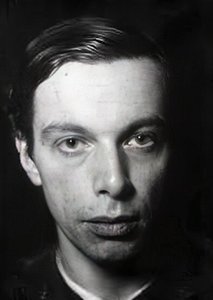
Ernst Ludwig Kirchner
1880 - 1938 , Deutschland
Eckdaten zum Künstler
- Beeinflusste Künstler:
- Expressionistische Künstler
- Moderne Künstler
- Bemerkenswerte Werke:
- Die Straße
- Tanzende Gret Palucca
- Selbstbildnis mit Modell
- Fünf Frauen auf der Straße
- Geburtsdatum: 6. Mai 1880
- Geburtsort: Aschaffenburg, Deutschland
- Künstlerische Bewegung: Expressionismus, Die Brücke
- Künstlerische Einflüsse:
- Albrecht Dürer
- Vincent van Gogh
- Edvard Munch
- Nationalität: Deutsch
- Todestag: 15. Juni 1938
- Vollständiger Name: Ernst Ludwig Kirchner
Verwandte Artikel

Die Top 10 berühmter Gemälde im Reich der dunklen Töne |
Entdecken Sie die Top 10 berühmter Gemälde, beherrscht von dunklen Tönen! Von Caravaggio bis Manet – erfahren Sie die Geschichten hinter Meisterwerken der Kunstgeschichte. Finden Sie Ihre perfekte Reproduktion auf .

Deutsche Expressionismus Meisterwerke: Die 10 wichtigsten Kunstwerke für Ihr Zuhause
Entdecken Sie die 10 bedeutendsten Werke des Deutschen Expressionismus! Kirchner, Nolde & Co. – ihre Geschichten, Techniken und zeitlose Schönheit. Hochwertige Kunstdrucke auf AllPaintingsStore.com kaufen und Ihr Zuhause mit emotionaler Kunst bereichern. Jetzt entdecken!

Unmasking Emotion: A Journey Through the Raw Power and Visceral Beauty of German Expressionism
Explore the raw emotional power of German Expressionism. From Kirchner to Die Brücke, discover how artists used distortion and vibrant color to unmask the human psyche. A deep dive into art history for the discerning collector and enthusiast.

The Vibrant World of Ernst Ludwig Kirchner: A Definitive Guide to German Expressionism
Explore the raw emotion of German Expressionism through a definitive guide to Ernst Ludwig Kirchner. Discover how his bold colors and distorted forms redefined modern art history, from Berlin street scenes to iconic masterpieces.

Ernst Ludwig Kirchner: Urbane Ängste und die Fragmentierung der Moderne
Entdecken Sie das Werk von Ernst Ludwig Kirchner und die revolutionäre Kunst des Expressionismus! Analysieren Sie urbane Ängste, die 'Brücke' und Kirchners einzigartigen Stil. Expertenwissen & tiefe Einblicke.


