


 In echtem Maßstab anzeigen
 Versenden als Grußkarte
 Teilen
 Details anzeigen
 Leitfaden öffnen

 Herunterladen
 Ähnliche Objekte
 Röntgenaufnahme
 Diashow
 Besucherstatistiken
Composition in yellow bottle
 Acrylic On Canvas
- WallArt
- Purist Cubism
 Modern
 36.0 x 27.0 cm
 Mehr anzeigen
Giclée / Kunstdruck
Giclée- oder Leinwanddruck in Museumsqualität mit schneller Produktion und flexiblen Veredelungsoptionen. ( Handgemalte Reproduktion kaufen Zum digitalen Bild wechseln)




P118B $10

P118H $10

P118W $10

P438Z $10

P508JH $12

P508YH $12

P805H $10

P805Z $10

P919BZ $10

P919G $10

P919XJ $10

P959ZH $10

P968JZ $12

W106C $8

W218G $10

W218JH $8

W218Y $10

W307PJ $10

W316G $10

W316PJ $8

W316Y $10

W398PJ $8

W4111J $10

W500HY $15

W500JH $15

W692G $12

W849H $8

W940BG $15

W953PJ $8




Wählen Sie aus unseren vordefinierten Formaten, die den ursprünglichen Proportionen des Kunstwerks entsprechen.

Sie können Ihre eigenen Maße eingeben, um ein bestimmtes Format oder einen speziellen Platz einzupassen. Wenn das von Ihnen gewählte Format nicht den Proportionen des Originalbildes entspricht, werden wir das Kunstwerk entweder beschneiden oder das Bild mit einem gespiegelten oder einfarbigen Rand erweitern. Ein digitaler Entwurf wird Ihnen zur Genehmigung zugesandt, bevor die Produktion beginnt.
Bitte beachten Sie, dass die Vorschau auf dem Bildschirm nicht den tatsächlichen Zuschnitt oder die Erweiterung widerspiegelt. Nur der Entwurf zeigt die endgültige Komposition präzise an.
Obwohl Sondermaße verfügbar sind, empfehlen wir die Auswahl eines Maßes aus der vordefinierten Liste, um die ursprünglichen Proportionen zu bewahren.
Weltweiter Versand () innerhalb von 2 Wochen statt der üblichen 4/5 Wochen. (26 September)

Kostenloser weltweiter Expressversand

Hochwertige Leinenleinwand

Vollständiger Versicherungsschutz beim Versand

Zollgebühren-Rückerstattungsgarantie

Garantie für exakte Farbtreue

100-tägiges Rückgaberecht (nur bei Mängeln)

100% Geld-zurück-Garantie

Angebot für Mengenrabatt
 Die Glasoption ist nur für Größen unter 110 cm verfügbar.

Composition in yellow bottle
Giclée / Kunstdruck
Format der Reproduktion
-


Gesamtpreis
$ 64
Composition in Yellow Bottle by Fernand Léger: A Purist's Ode to Modernity
Fernand Léger’s “Composition in Yellow Bottle” is more than just a still life; it’s a carefully constructed dialogue between the rustic past and the burgeoning industrial present. Executed in 1920, this intimate work – measuring a modest 36 x 27 cm – exemplifies Léger's pivotal role within the Purist movement, a reaction against the increasingly fragmented and subjective approaches of early modernism. Born in Argentan, Normandy, Léger’s upbringing amidst the rhythms of rural life profoundly shaped his artistic sensibility, informing his later exploration of geometric forms and his fascination with the machine age.
- Subject Matter: The painting centers on a glass bottle adorned with a yellow label, surrounded by a carefully arranged collection of utilitarian objects – a knife, spoon, and cup. These commonplace items are elevated to symbolic significance through Léger’s deliberate composition.
- Purist Style: Léger rejected the prevailing abstraction of his time, instead seeking to represent reality in a simplified, geometric manner. This “Purism” aimed for clarity and directness, stripping away unnecessary detail to reveal the underlying structure of objects.
- Technique: Léger employed a bold, almost brutalist technique characterized by thick, angular brushstrokes and a limited palette dominated by yellows, ochres, and grays. This approach emphasized the materiality of the objects themselves, highlighting their form and texture.
Decoding the Symbolism
Within Léger’s Purist framework, the yellow bottle itself becomes a potent symbol. The bright color – reminiscent of industrial dyes and machinery – immediately associates it with modernity and technological advancement. The surrounding objects—the knife, spoon, and cup—are not merely props; they represent the everyday tools of labor, subtly referencing the agricultural roots of Léger’s upbringing while simultaneously acknowledging the shift towards mechanized production. The arrangement isn't random; it suggests a carefully considered balance between natural forms and geometric abstraction, reflecting Léger’s core artistic philosophy.
- Geometric Forms: The bottle and its surroundings are rendered with sharp, angular shapes – a hallmark of Purism. These forms evoke the impression of machinery, hinting at the influence of industrial design on Léger's vision.
- Color as Symbol: The dominant yellow color represents energy, industry, and progress—themes central to Léger’s exploration of the modern world.
Historical Context and Artistic Significance
Created around 1920, “Composition in Yellow Bottle” reflects a crucial moment in Léger's artistic development. Following his initial explorations of Cubism, he solidified his Purist style, seeking to create a visual language that was both aesthetically compelling and intellectually rigorous. This work demonstrates his commitment to representing the world as it appeared to him – filtered through the lens of modern technology and industrialization. Léger’s influence extended beyond the Parisian art scene, impacting artists across Europe who were grappling with the challenges and opportunities presented by the rapidly changing 20th century.
Artist Biography Snippet: Fernand Léger (1881-1955) was a French painter and sculptor whose work is characterized by its geometric forms, bold colors, and exploration of modern themes. He was a key figure in the Purist movement and his art reflects his fascination with machinery and industrial design.Emotional Impact and Artistic Value
“Composition in Yellow Bottle” possesses a quiet intensity that belies its seemingly simple subject matter. Léger’s masterful use of color, form, and texture creates a visually arresting composition that invites contemplation. This piece offers a unique window into the mind of one of modern art's most innovative figures, capturing both the beauty and the anxieties of a world undergoing profound transformation. A hand-painted reproduction allows you to bring this powerful artwork into your own space, celebrating Léger’s legacy and adding a touch of modernist elegance to your interior design.
Ähnliche Kunstwerke


Biografie des Künstlers
frühes Leben und Ausbildung
Fernand Légér, ein französischer Maler, Bildhauer und Filmemacher, wurde am 4. Februar 1881 in Argentan, Orne, Niedergermanien geboren. Sein Vater züchtete Rinder, und Légér erhielt zunächst eine Ausbildung als Architekt von 1897 bis 1899. Er zog dann im Jahr 1900 nach Paris und unterstützte sich dort als Architektenzeichner.Künstlerische Entwicklung
Légers frühe Werke wurden vom Impressionismus beeinflusst, wie in Le Jardin de ma Mère (Mein Muttergarten) (1905) zu sehen ist. Nach dem Besuch der Schule für dekorative Künste und der Académie Julian begann er ab seinem 25. Lebensjahr ernsthaft als Maler zu arbeiten. Sein Stil entwickelte sich zu einer persönlichen Form des Kubismus, der von Kritikern als "Tubism" bezeichnet wurde, da er sich auf zylindrische Formen konzentrierte.Kubismus und die Puteaux-Gruppe
Im Jahr 1910 stellte Légér im Salon d’Automne zusammen mit Jean Metzinger und Henri Le Fauconnier aus. Er schloss sich der Puteaux-Gruppe an, auch bekannt als die Section d’Or (die Goldene Proportion), zusammen mit anderen Künstlern wie Francis Picabia und Marcel Duchamp.Krieg und seine Auswirkungen auf Légers Werk
Légers Erfahrungen im Ersten Weltkrieg hatten einen erheblichen Einfluss auf sein Werk. Während seiner Zeit an der Front produzierte er Skizzen von Artilleriegeschützen, Flugzeugen und Soldaten. Sein Gemälde Soldat mit Pfeife (1916) spiegelt diese Zeit wider.Spätere Werke und Vermächtnis
Légers Nachkriegszeitliche Arbeiten, die von glatten, maschinellen Formen geprägt waren, verknüpften ihn mit der Tradition der französischen figurativen Malerei. Seine "animierten Landschaften" von 1921 zeigten Figuren und Tiere in harmonischen, stromlinienförmigen Formen.- Fernand Légers Werke auf AllPaintingsStore
- Mehr über Fernand Légér auf Wikipedia
- Entdecken Sie das Musée National Fernand Légér (Frankreich) mit AllPaintingsStore
- Die Sitzende Frau (100 x 81 cm, Tubism)
- Maschinenelement (Kubismus)
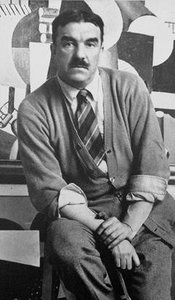
Fernand Léger
1881 - 1955 , Frankreich
Eckdaten zum Künstler
- Beeinflusste Kunstrichtungen: ['Pop Art']
- Beeinflusste Künstler: ['Paul Cézanne']
- Bemerkenswerte Werke:
- Die Sitzende Frau
- Maschinenelement
- Der Große Umzug
- Die Stadt
- Geburtsdatum: 04. Februar 1881
- Geburtsort: Argentan, Frankreich
- Künstlerische Richtung: Kubismus, Tubismus
- Nationalität: Französisch
- Sterbedatum: 1955
- Vollständiger Name: Fernand Léger
- Von Kunstbewegungen Beeinflusst: ['Cézannismus']
- Von Künstlern Beeinflusst: ['Impressionismus']
Verwandte Artikel

Contemporary Abstract Art: A Professional Buyer's Guide to Large-Scale Modern Decor for Hospitality and Corporate Interiors
A professional procurement guide for hotel designers and architects. Discover how to integrate large-scale contemporary abstract art into hospitality projects through high-volume, custom-sized oil reproductions, multi-panel layouts, and reliable global logistics.


