


 In echtem Maßstab anzeigen
 Versenden als Grußkarte
 Teilen
 Details anzeigen
 Leitfaden öffnen

 Herunterladen
 Ähnliche Objekte
 Röntgenaufnahme
 Diashow
 Besucherstatistiken
The Shepherdness


 Mehr anzeigen
Handgefertigte Ölreproduktion
Handgemaltes Ölgemälde auf Leinwand in Ihrer Wunschgröße und mit Rahmen, auf Bestellung von unseren Künstlern angefertigt. ( Zum Druck wechseln Zum digitalen Bild wechseln)




P118B €10

P118H €10

P118W €10

P438Z €10

P508JH €12

P508YH €12

P805H €10

P805Z €10

P919BZ €10

P919G €10

P919XJ €10

P959ZH €10

P968JZ €12

W106C €8

W218G €10

W218JH €8

W218Y €10

W307PJ €10

W316G €10

W316PJ €8

W316Y €10

W398PJ €8

W4111J €10

W500HY €15

W500JH €15

W692G €12

W849H €8

W940BG €15

W953PJ €8




Wählen Sie aus unseren vordefinierten Formaten, die den ursprünglichen Proportionen des Kunstwerks entsprechen.

Geben Sie die Breite und die Höhe an, die Sie für Ihren Rahmen oder Ihre Wand benötigen. Da dieses Werk handgemalt ist, kann der Künstler bei einer anderen Form etwas mehr um das Bild herum malen oder etwas abschneiden – Sie entscheiden. Wir senden Ihnen ein digitales Mockup zur Freigabe, bevor mit dem Malen begonnen wird. Das auf dieser Seite gezeigte Bild stellt nicht das tatsächliche Ergebnis dar – dies tut nur das Mockup.
Nach der Bestellung wird das AllPaintingsStore.com-Team dem Kunden Anweisungen per E-Mail zusenden und eine Mockup-Vorschau bereitstellen.
Weltweiter Versand () in nur 3 bis 4 Wochen statt der üblichen 5 Wochen. (24 Oktober). Keine Kompromisse bei der Qualität.

Kostenloser weltweiter Expressversand

Hochwertige Leinenleinwand

Vollständiger Versicherungsschutz beim Versand

Zollgebühren-Rückerstattungsgarantie

Garantie für exakte Farbtreue

100-tägiges Rückgaberecht (nur bei Mängeln)

100% Geld-zurück-Garantie

Angebot für Mengenrabatt
 Die Glasoption ist nur für Größen unter 110 cm verfügbar.

The Shepherdness
Reproduktionsmedium
Format der Reproduktion
-


Gesamtpreis
€ 270
A Silent Plea for Comfort Amidst Suffering
In the quiet, evocative depths of Franz Marc’s 1912 woodcut, "The Shepherdess," we encounter more than just a mere depiction of figures; we enter a realm of profound spiritual contemplation. This masterpiece stands as a poignant emblem of the German Expressionist vision, where the artist seeks to transcend the surface of reality to touch the very soul of existence. Born in Munich amidst personal tragedy, Marc’s early encounters with grief and loss—most notably the death of his mother to tuberculosis—imbued his work with an unparalleled sensitivity to vulnerability. In this piece, we see that sensitivity distilled into a powerful visual language of compassion and shared human experience.
The composition centers on a deeply intimate scene: a woman lying in bed, her form embodying a delicate state of illness and fragility. She is not alone in her suffering; she is cradled by two other women whose presence offers a silent, steadfast solace. This embrace serves as a profound symbol of familial love and the strength found in communal support during times of hardship. Through these intertwined figures, Marc captures the essence of human connection, suggesting that even in our most isolated moments of pain, there exists a tether to the warmth of others.
The Raw Power of Expressionist Technique
Marc’s approach in "The Shepherdess" eschews the polished perfection of academic realism in favor of an emotional resonance that is raw and immediate. Utilizing the woodcut print technique, the artist allows the very grain of the wood to emerge on the surface, adding a rugged, organic texture that reinforces the theme of natural simplicity. The stark, dramatic contrast between black and white does not merely define shapes; it amplifies the psychological weight of the scene, casting deep shadows that emphasize the gravity of the subjects' expressions.
The style is quintessentially Expressionist, characterized by simplified, almost rhythmic forms. We see elongated limbs and rounded features that convey a sense of serene movement despite the underlying sorrowful narrative. There is an intentional lack of realistic perspective; instead, the figures overlap within a flattened space, creating a sense of containment and intimacy that draws the viewer into their private world. For the collector or interior designer, this piece offers a striking visual anchor—a work that commands attention through its bold lines and decisive energy, yet invites quiet reflection through its soft, emotive subject matter.
A Legacy of Spiritual Harmony
To understand "The Shepherdess" is to understand the broader cultural ferment of early 20th-century Germany. Created during the height of the Der Blaue Reiter (The Blue Rider) era, the work reflects a period of intense spiritual searching and artistic rebellion against traditional conventions. Marc’s mission was to capture the "inner truth" of his subjects, moving away from objective representation toward a subjective, spiritualized reality. This piece serves as a window into that movement, where color—even in its monochromatic form here—and shape are used to communicate the unseen vibrations of life.
For those seeking to adorn a space with art that possesses both historical weight and emotional depth, this reproduction of Marc’s vision offers an unparalleled opportunity. It is a work that speaks to the themes of mortality, compassion, and the enduring strength of the human spirit. Whether placed in a curated gallery setting or as a focal point in a sophisticated living space, "The Shepherdess" continues to resonate with its timeless ability to turn a moment of quiet suffering into a monumental statement of love and resilience.
Fragen & Antworten
Wie intensiv sind die Farben von "The Shepherdness"?
Die Farbe von "The Shepherdness" weist eine Sättigung von Muted und eine Intensität von Monochromatic auf.
Welche Bedeutung kommt "The Shepherdness" von Franz Marc in der Kunstgeschichte zu?
Historisch gesehen ist „The Shepherdness“ ein Werk der German Expressionism-Strömung aus der umfassenderen Ära der Modern.
Warum ist der Urheberrechtsstatus von "The Shepherdness" so, wie er ist?
"The Shepherdness" von Franz Marc ist gemeinfrei – das Urheberrecht ist abgelaufen. Die Dauer des Urheberrechts beginnt mit dem Tod des Künstlers, der im Jahr 1916 verstarb.
Ähnliche Kunstwerke


Biografie des Künstlers
Franz Marc: Ein Pionier des Deutschen Expressionismus
Frühes Leben und Ausbildung
- Franz Moritz Wilhelm Marc wurde am 8. Februar 1880 in München, Deutschland, geboren.
- Sein Vater, Wilhelm Marc, war Landschaftsmaler und beeinflusste seinen Sohn zunächst durch seine künstlerischen Neigungen.
- Marc erwog kurz Theologie, bevor er sich der Kunst widmete und nach dem Besuch der Universität München an der Akademie der Bildenden Künste in München studierte.
- Zu den frühen Studien gehörten das Kopieren von Meistern und die Erforschung verschiedener künstlerischer Techniken.
Künstlerische Entwicklung und Einflüsse
- Anfangs wurden Marcs Werke von Impressionismus und akademischen Malstilen beeinflusst.
- Ein entscheidender Moment war seine Besuche in Paris, wo er die Werke von Vincent van Gogh entdeckte und seine Verwendung von Farbe und emotionaler Ausdruck maßgeblich prägte.
- Er experimentierte mit verschiedenen künstlerischen Gruppen wie der Neuen Künstlervereinigung München, bevor er Der Blaue Reiter gemeinsam gründete.
- Auch Robert Delaunays Werk beeinflusste Marcs Erkundung abstrakter Formen und lebendiger Farben.
Der Blaue Reiter und Schlüsselwerke
- Im Jahr 1911 gründete Marc gemeinsam mit Wassily Kandinsky Der Blaue Reiter (Der Blaue Reiter), eine Zeitschrift und Künstlergruppe, die für den deutschen Expressionismus von zentraler Bedeutung wurde.
- Diese Gruppe suchte nach spiritueller Bedeutung in der Kunst und lehnte traditionelle künstlerische Konventionen ab.
- Bekannte Werke aus dieser Zeit sind:
- Der Tiger (1912) – zeigend seinen sich entwickelnden Stil und seine symbolische Verwendung von Tieren.
- Rehdamee (1912) - demonstrierend eine wachsende Konzentration auf Tierdarstellungen.
- Der Turm der blauen Pferde, Die Füchse und das Schicksal der Tiere (1913) – repräsentierend die Culmination seiner künstlerischen Vision.
Themen und Künstlerischer Stil
- Marcs Kunst ist durch ihre lebendigen Farben, vereinfachte Formen und symbolische Darstellung von Tieren gekennzeichnet.
- Er glaubte, dass Tiere eine Reinheit und eine spirituelle Verbindung zur Natur besaßen, die der Mensch verloren hatte.
- Seine Verwendung von Farbe diente nicht nur der Beschreibung, sondern auch dem Ausdruck, Emotionen und innere Zustände zu vermitteln.
- Er versuchte, die Essenz seiner Motive darzustellen, anstatt realistische Darstellungen.
Erster Weltkrieg und tragisches Ende
- Mit dem Ausbruch des Ersten Weltkriegs im Jahr 1914 wurde Marc in die deutsche Armee eingezogen.
- Trotz seines Versuchs, aufgrund seiner künstlerischen Tätigkeit von der Dienstpflicht freigestellt zu werden, diente er als Kavallerieoffizier.
- Er starb am 4. März 1916 im Verlauf der Schlacht an der Verdun tragisch.
- Sein Tod beendete eine vielversprechende Karriere, festigte aber gleichzeitig seinen Platz in der Kunstgeschichte.
Vermächtnis und historische Bedeutung
- Marcs Werk bleibt hoch einflussreich für seine expressive Verwendung von Farbe, symbolische Bilder und spirituelle Tiefe.
- Er gilt als eine Schlüsselgestalt bei der Entwicklung des Deutschen Expressionismus und als Vorläufer der abstrakten Kunst.
- Seine Gemälde werden in großen Museen auf der ganzen Welt ausgestellt, darunter das Lenbachhaus in München, das eine umfangreiche Sammlung seiner Werke beherbergt.
- Marcs künstlerische Vision inspiriert weiterhin Künstler und fesselt das Publikum bis heute.
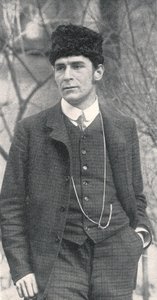
Franz Marc
1880 - 1916 , Deutschland
Eckdaten zum Künstler
- Beeinflusste Kunstrichtungen: ['Abstrakte Kunst']
- Beeinflusste Künstler: ['Vincent van Gogh']
- Bekannte Werke:
- Der Tiger (1912)
- Rehdamee (1912)
- Turm der blauen Pferde (1913)
- Die Füchse und das Schicksal
- Geburtsdatum: 08. Februar 1880
- Geburtsort: München, Deutschland
- Künstlerische Richtung: Deutscher Expressionismus
- Nationalität: Deutsch
- Todatum: 4. März 1916
- Vollständiger Name: Franz Marc
Verwandte Artikel

The Enduring Legacy of Printmaking: Techniques, Themes & Artistic Innovation Across Centuries
Explore the rich history of printmaking with AllPaintingsStore. Discover techniques from intaglio to lithography, learn about collecting valuable prints & find museum-quality reproductions. Expert insights for art enthusiasts and collectors.

Giclée Prints: Archival Quality & Aesthetic Nuances for the Discerning Collector
Explore the world of giclée prints with AllPaintingsStore. Learn about archival quality, aesthetic nuances & investment potential. Expert guidance for discerning art collectors seeking museum-quality reproductions and lasting value.

The Enduring Legacy of Fine Art Prints: Technique, History & Aesthetic Impact
Explore the rich history & techniques of fine art prints. Discover investment potential, assess authenticity, and learn how to preserve your collection with expert guidance. Trusted insights for discerning collectors.

Deutsche Expressionismus Meisterwerke: Die 10 wichtigsten Kunstwerke für Ihr Zuhause
Entdecken Sie die 10 bedeutendsten Werke des Deutschen Expressionismus! Kirchner, Nolde & Co. – ihre Geschichten, Techniken und zeitlose Schönheit. Hochwertige Kunstdrucke auf AllPaintingsStore.com kaufen und Ihr Zuhause mit emotionaler Kunst bereichern. Jetzt entdecken!

Mastering the Woodcut: A Definitive Guide to the Art of Relief Printing and its Historical Legacy
Explore the profound history and technical mastery of woodcut relief printing. From ancient origins to German Expressionism, discover how artists use the subtractive process to create iconic works. A definitive guide for art students, collectors, and historians.


